Fire Protection Engineering for Commercial Hydrocarbon Processing Facilities
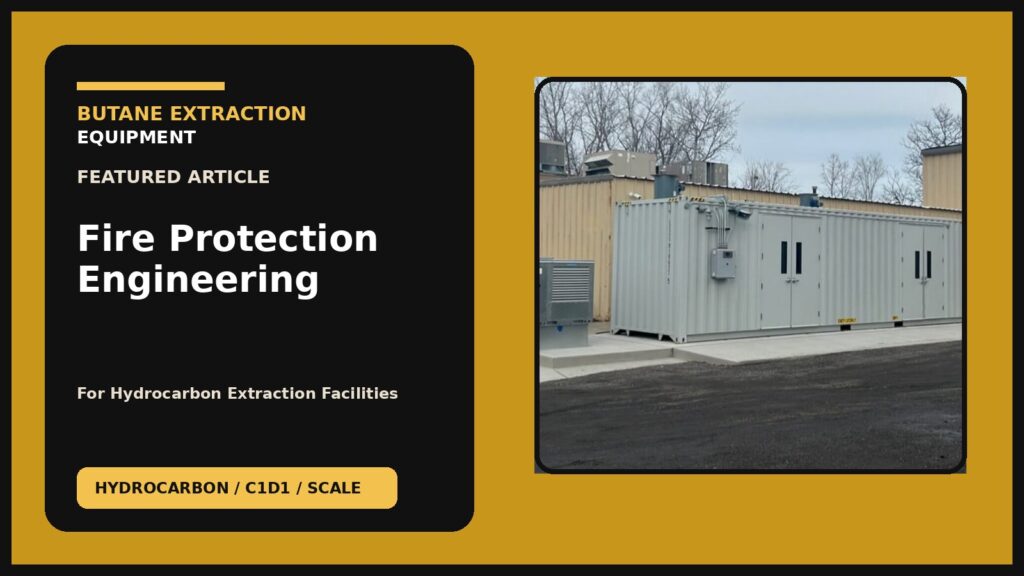
A comprehensive guide to fire protection engineering, control systems, and code-driven design for industrial hydrocarbon processing facilities.
Scaling Operations: Industrial Processing Room Design and Capacity Planning
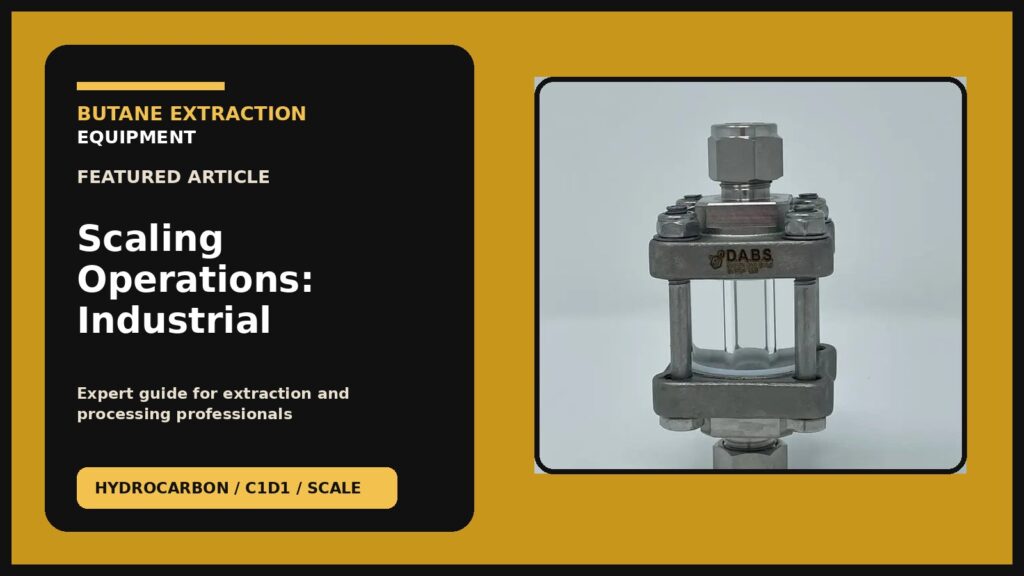
An industrial guide to processing room design, focusing on expanding operations safely while maintaining strict adherence to IFC, IBC, and NFPA regulations.
Ethanol Processing Systems: Fire Code Requirements for Industrial Ethanol Processing Equipment
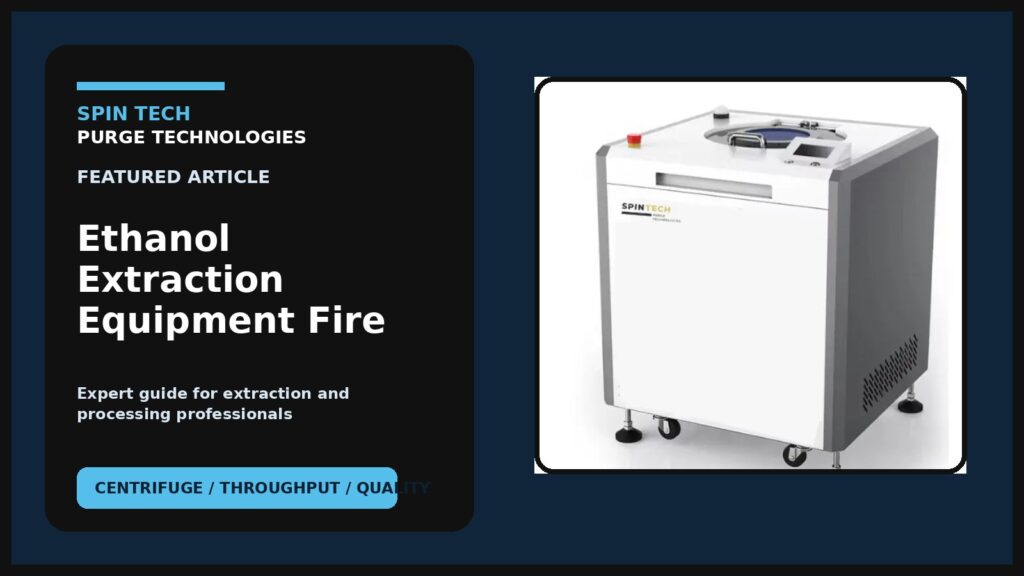
Industrial ethanol processing systems in C1D1 environments require meticulous fire code compliance. This guide covers NFPA 30, electrical classification, ventilation, and fire protection requirements.
Understanding Explosion-Proof C1D1 Equipment for Safe Hydrocarbon Processing
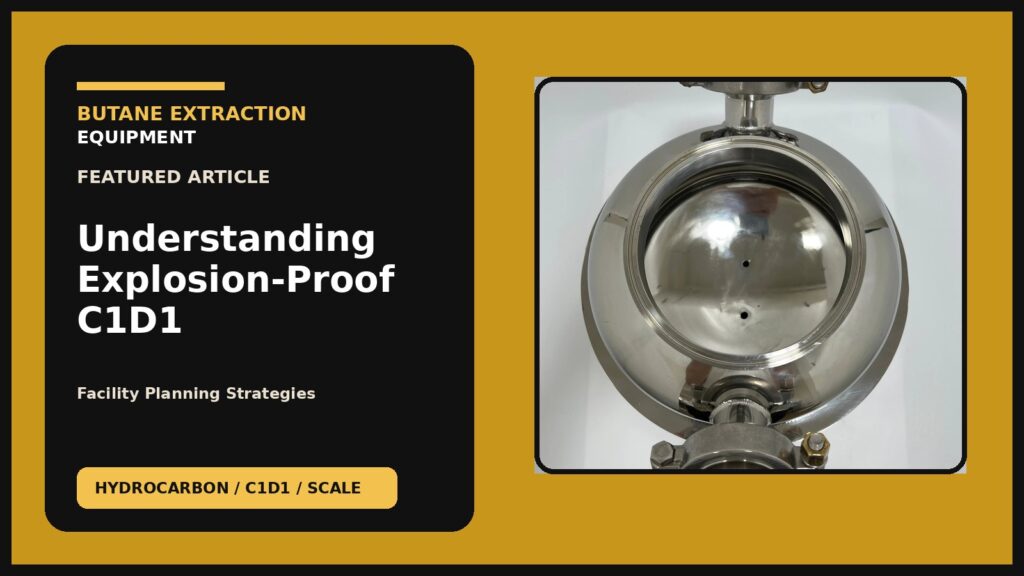
Designing and deploying a hazardous industrial environment requires carefully engineered controls. Learn the fundamentals of ensuring structural compliance using approved explosion-proof equipment following NFPA and IFC requirements.
Hydrocarbon Processing Facilities: Engineering Fire Protection and Control Strategies
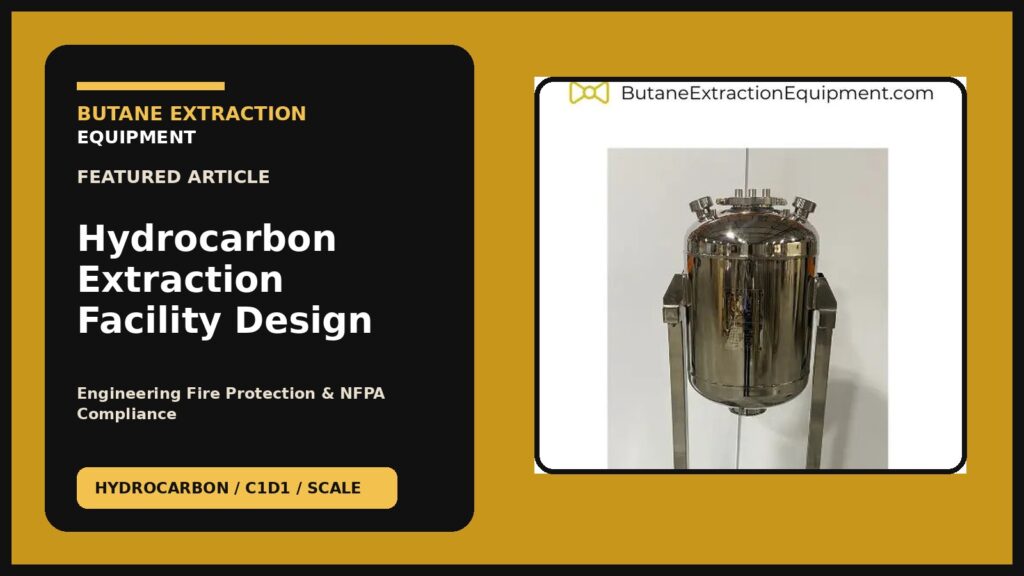
Designing safe and code-compliant hydrocarbon processing facilities requires rigorous engineering fire protection and atmospheric control strategies to meet NFPA, IFC, and IBC requirements.
Industrial Processing Room Design: Code-Driven Facility Planning for Hazardous Environments
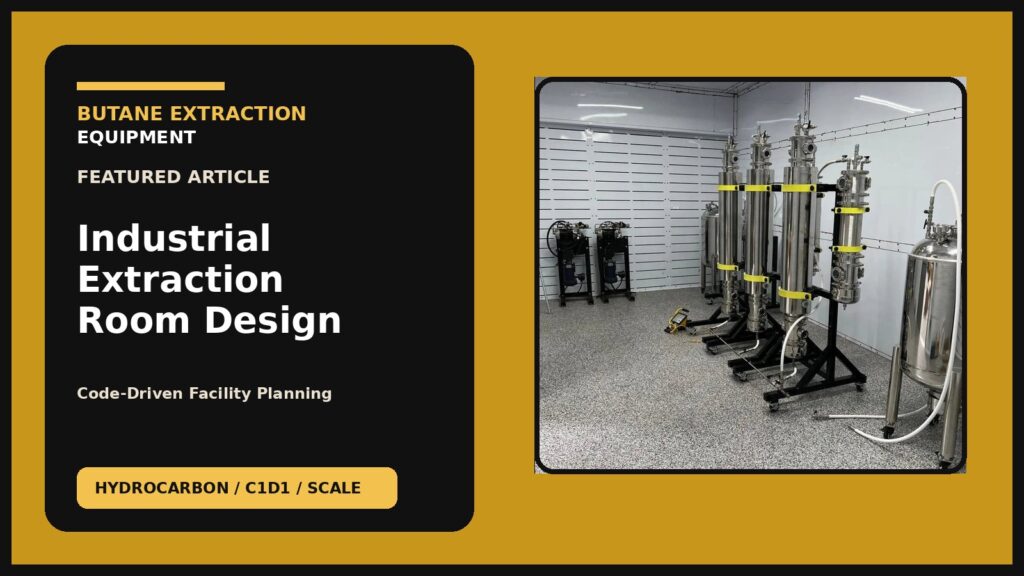
Explore the critical concepts of control areas, the IBC, the IFC, and how hazardous storage regulations affect industrial processing room design. Learn about active and passive mitigation strategies.
C1D1 Electrical Classification for Processing Rooms: Equipment Selection and Control Strategy
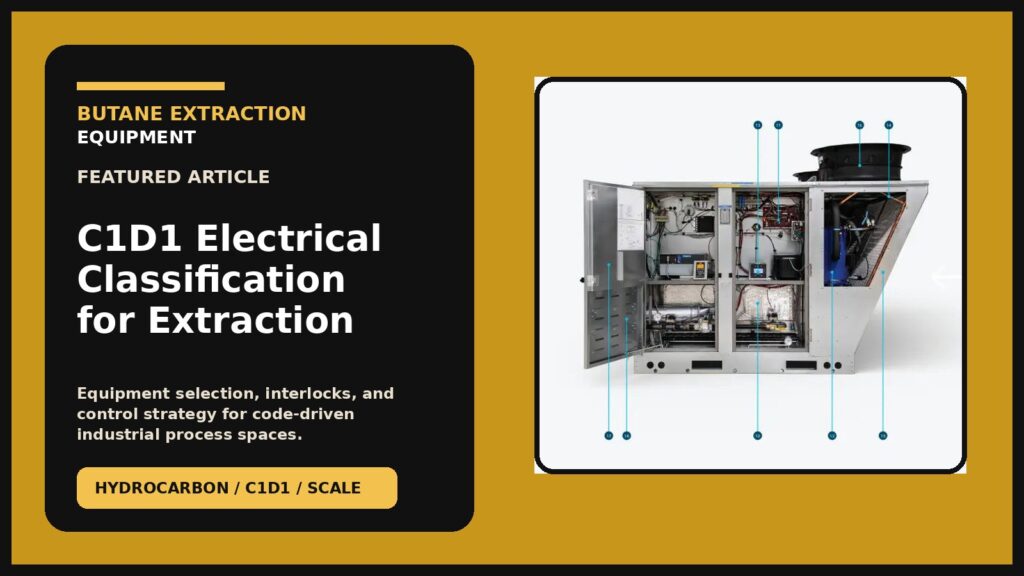
Learn how C1D1 electrical classification affects equipment selection, interlocks, hazardous exhaust coordination, and inspection readiness in modern processing rooms and booths.
Optimizing Airflow and Ventilation Rates in High-Capacity C1D1 Processing Rooms
When designing high-capacity industrial processing facilities, the management of hazardous atmospheres is a critical engineering concern. C1D1 hazardous locations require stringent controls. Establishing an effective airflow strategy relies not just on volume, but on velocity, distribution, and fail-safe integration. Here is an examination of essential principles.
Ensuring Compliance in Botanical Processing: A Guide to C1D1 Lab Design and Operations
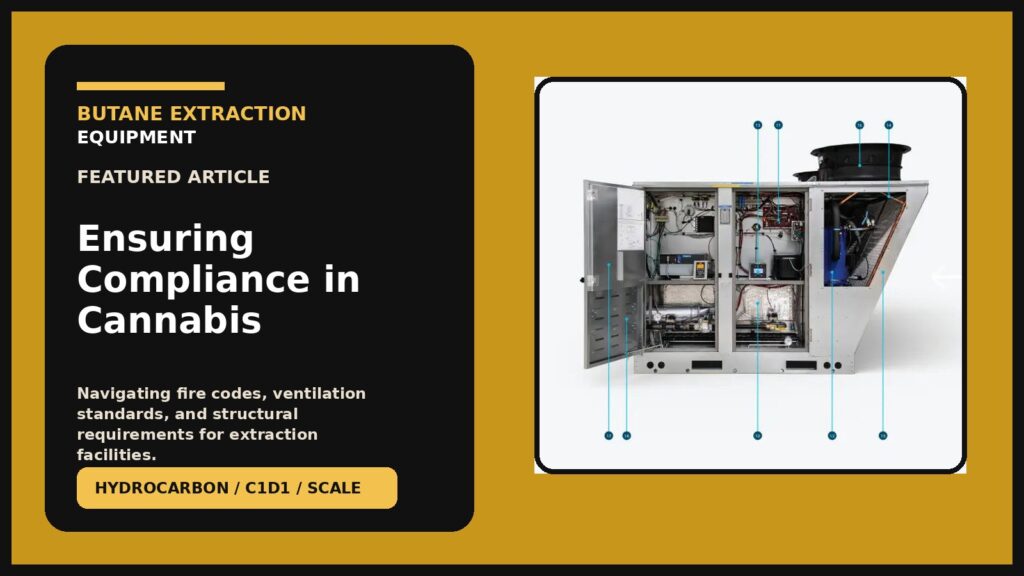
Exploring best practices for C1D1 lab design, focusing on adherence to NFPA, IFC, and IBC standards. Learn how proper ventilation, fire protection, and code-driven facility planning ensure safety and operational efficiency.
Industrial Ethanol Processing Rooms: Fire Code and NFPA Design Principles
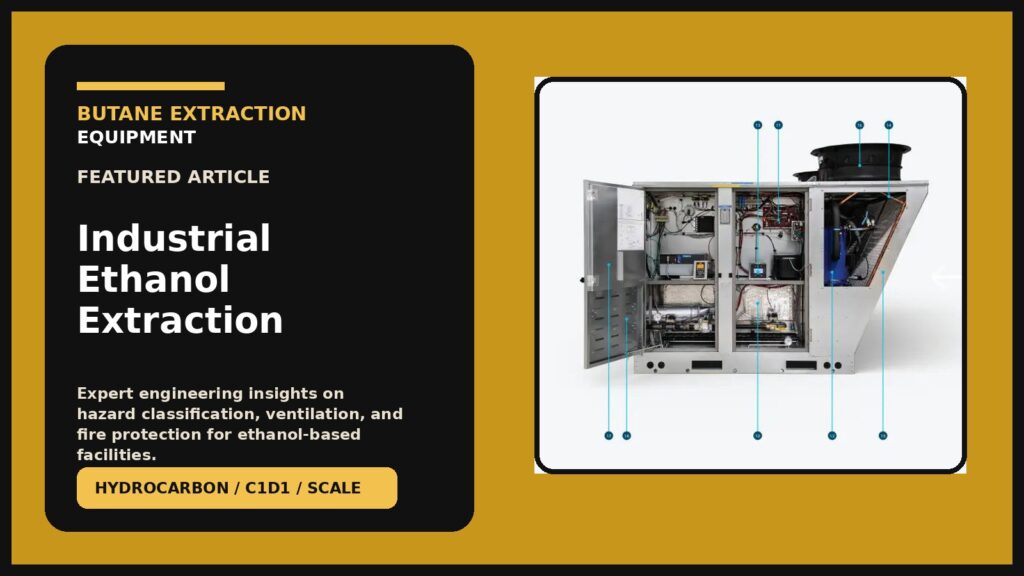
A detailed engineering overview of ethanol processing room design requirements according to IBC, IFC, and NFPA standards.