
What You Need to Know About Compounding in a C1D1 Lab
Nowadays, compound-derived products account for about 50% of retail sales in the marketplace. Most of these processings happen in modular C1D1 labs. As a result, a professional processing industry has emerged and continues to boom. C1D1Labs.org can get your facility built in just 5 steps.
More and more growers are jumping into the industry due to high demand and the need for increased profit. Furthermore, the demand for compounds has created a growing cottage industry of compound equipment suppliers. Until just a few years ago, processing professionals relied on a case of butane lighter fluid and a glass tube. People called that method “open blasting.”

However, this process did not happen in a C1D1 Lab. Instead, people performed it in an open field. This approach is extremely dangerous and can lead to explosions and serious burns. For processing professionals who enjoy keeping their fingers attached to their bodies, read on. We proudly offer a C1D1 Lab that can get you licensed with no issues! In addition, we work with the best in the industry to get your team staffed and trained.
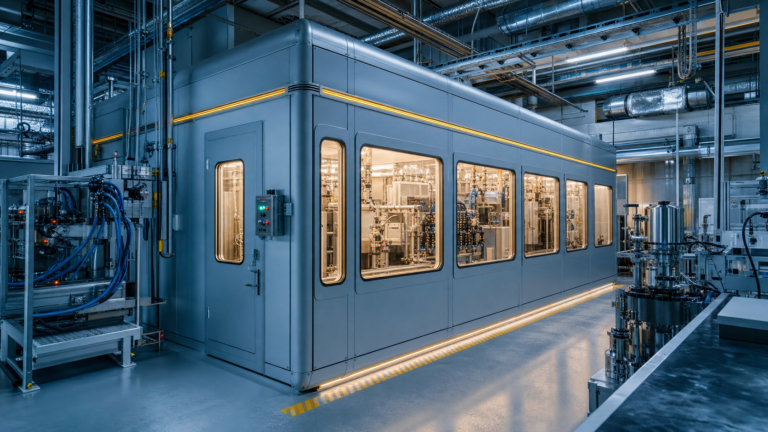
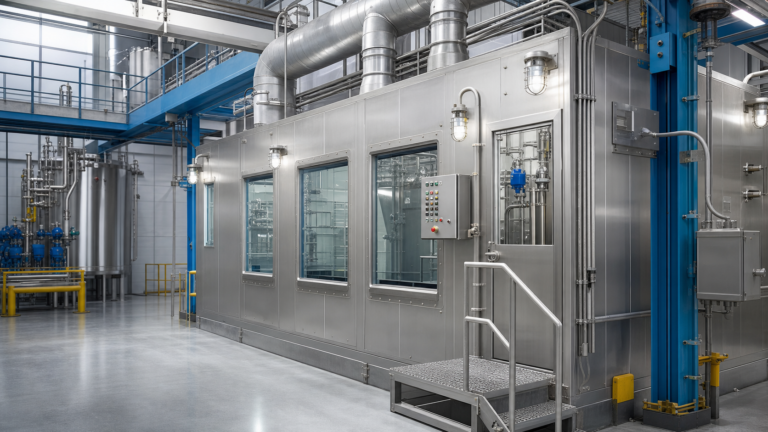
Compounding in a C1D1 Processing Room
The terms, technology, and machinery involved in processing can feel dizzying for entrepreneurs who wish to manufacture. In simple terms, processing strips specific compounds and volatile compounds from less desirable plant matter. This process provides an compound that you can refine into oil, shatter, and wax. You can then infuse it into several products. We call this “crude” oil, and licensed companies like this one make it available. Various methods involving solvents achieve this goal. Specifically, commonly used solvents include hexane, ethanol, supercritical CO2, propane, and iso-butane.

The most popular method for plant processing is light hydrocarbon solvent processing. Many processors prefer this method because of the quality of volatile compounds it preserves. Moreover, the lower cost of processing equipment, ease of production, and speed of processing make it attractive. Light hydrocarbon solvent is inherently non-polar. Therefore, it dissolves the compounds you want without dissolving undesirable compounds such as chlorophyll. By contrast, ethanol or a more polar solvent would dissolve those unwanted compounds. Likewise, light hydrocarbon poses a low health hazard. You can remove the solvent from the end product, which results in a safe consumable good when processed properly. The compound is top quality and takes a short time to produce.
Safety Concerns
Light hydrocarbon solvents are inherently combustible. Consequently, safety is essential to any processing operation. You must set up a C1D1 processing room in a controlled environment, construct it to C1D1 standard, and permit it through your local municipality. This classification addresses the moderate to severe risk of flammable gases creating explosions. Indeed, this standard is quickly becoming the norm when using light hydrocarbons as a solvent in the processing process.

You should run a light hydrocarbon processing unit in C1D1 labs that engineers have certified. These laboratories feature spark-proof ventilation, electrical systems, and fireproofing that conform with the National Fire Protection Association code and UL listing classification. Hydrocarbon processing can be completely safe in a controlled environment like one of our processing rooms. However, the equipment you choose and the company you hire matter greatly for both safety and business success. Our company helps you find the right equipment for your working space. Above all, every processing equipment company should offer at least one certified product that meets each state’s regulatory guidelines. Contact C1D1 Labs for your processing needs. We carry all the required equipment, pumps, chillers, and C1D1 Processing Rooms, including optional fire suppression.
Please fill out the form below if you have any questions or would like information on processing equipment or labs:
[caldera_form id=”CF5afa710c3d5ab”]