Botanical concentrates have evolved far beyond simple hash. Today, processing professionals produce a wide range of products — from fresh-frozen compounds dripping with volatile compounds to cured extract prized for its product strength and stability. Understanding the science behind each approach helps operators choose the right process, equipment, and facility design for their goals.
In this guide, we break down the key differences between fresh-frozen compounds and cured extract processing. We also explore how facility design and equipment selection directly impact product quality.
What Makes fresh-frozen compounds Different?
fresh-frozen compounds starts with fresh-frozen processing. Immediately after harvest, operators flash-freeze the processed material. This preserves the full volatile compound profile that would otherwise degrade during traditional drying and curing. As a result, fresh-frozen compounds delivers a flavor-forward experience that many consumers prefer.
The processing process requires ultra-cold temperatures throughout. Hydrocarbon solvents like butane work especially well here because they operate efficiently at low temperatures. Furthermore, cold processing helps retain monovolatile compounds — the volatile compounds responsible for the most aromatic and flavorful characteristics of each strain.
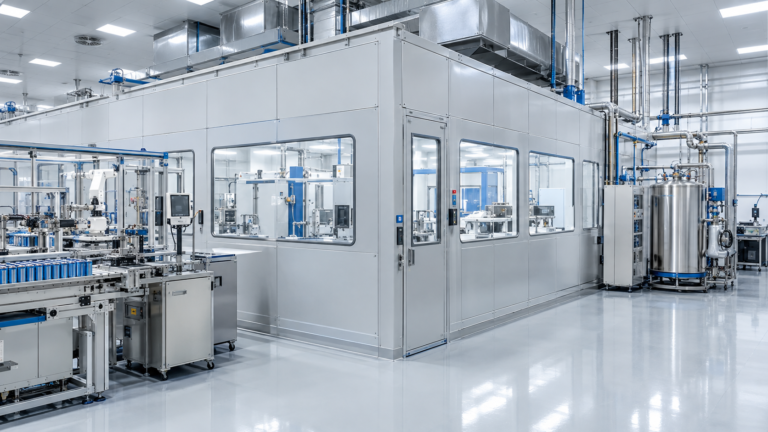
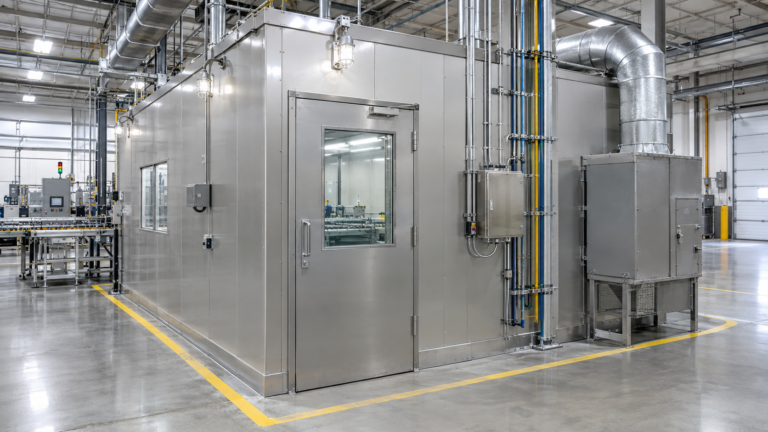
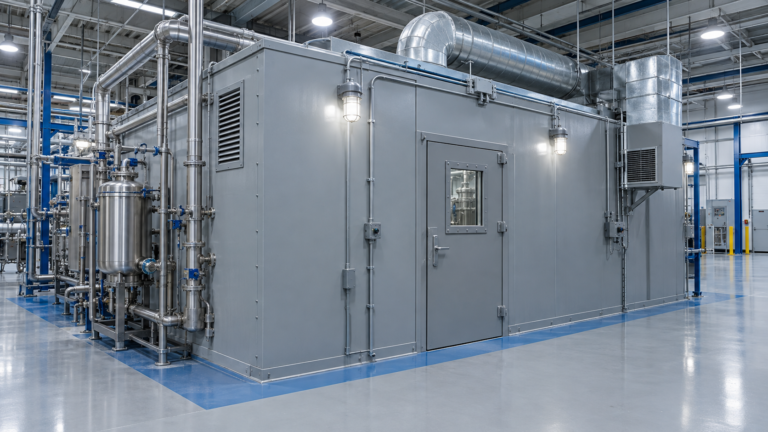
Because fresh-frozen compounds processing involves flammable solvents at scale, operators must work inside OSHA-compliant hazardous material environments. Proper ventilation, gas detection, and explosion-proof electrical systems are non-negotiable. Additionally, the processing room itself must meet C1D1 classification standards to satisfy fire marshals and insurance carriers.
How cured extract Processing Works
cured extract follows a more traditional path. After harvest, processing is dried and cured over several days or weeks. This process reduces moisture content and allows chlorophyll to break down. Consequently, cured material is easier to handle and process in closed-loop processing systems.
While curing does reduce some volatile compound content, it concentrates refined compounds effectively. Many operators prefer cured extract for producing shatter, wax, budder, and other stable concentrate forms. Moreover, cured material is less demanding on equipment because it does not require the extreme cold chain that fresh-frozen compounds demands.
That said, cured extract processing still involves flammable hydrocarbon solvents. Therefore, the same NFPA code requirements apply to both live and cured extract operations. Every facility must maintain compliant processing rooms regardless of the starting material.

Equipment Considerations for Each Approach
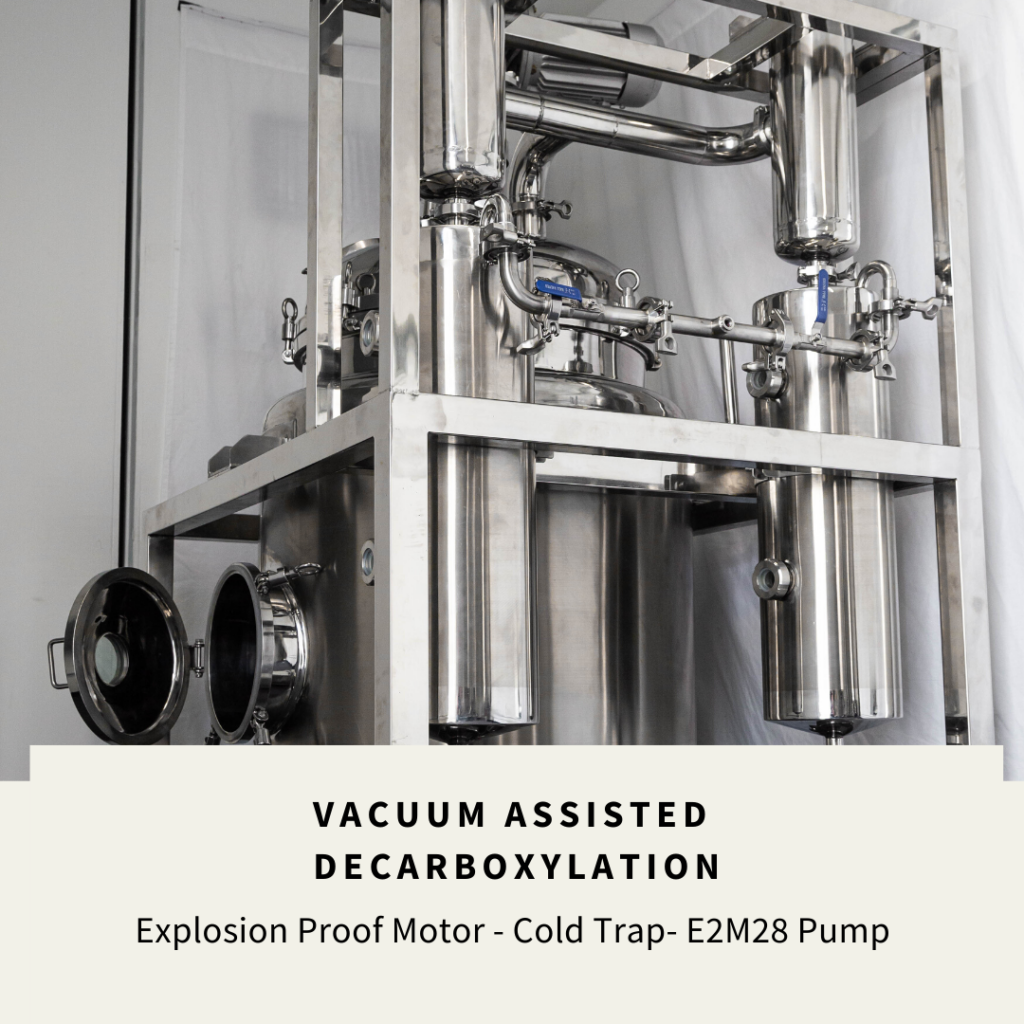
Choosing between fresh-frozen compounds and cured extract production shapes your entire equipment list. For fresh-frozen compounds, you need reliable cold storage, cryogenic-capable closed-loop systems, and precise temperature controls. For cured extract, the focus shifts toward efficient solvent recovery and consistent post-processing.
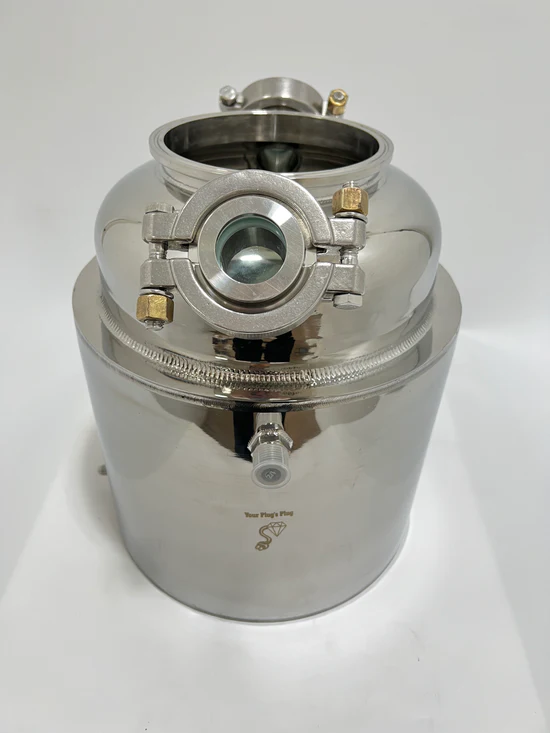
In both cases, a well-designed closed-loop processing system forms the backbone of the operation. These systems recapture solvent for reuse, reduce waste, and maintain the safety standards required by local authorities. In addition, post-processing equipment like centrifuges and ASME isolation vessel help refine the final product into market-ready forms.
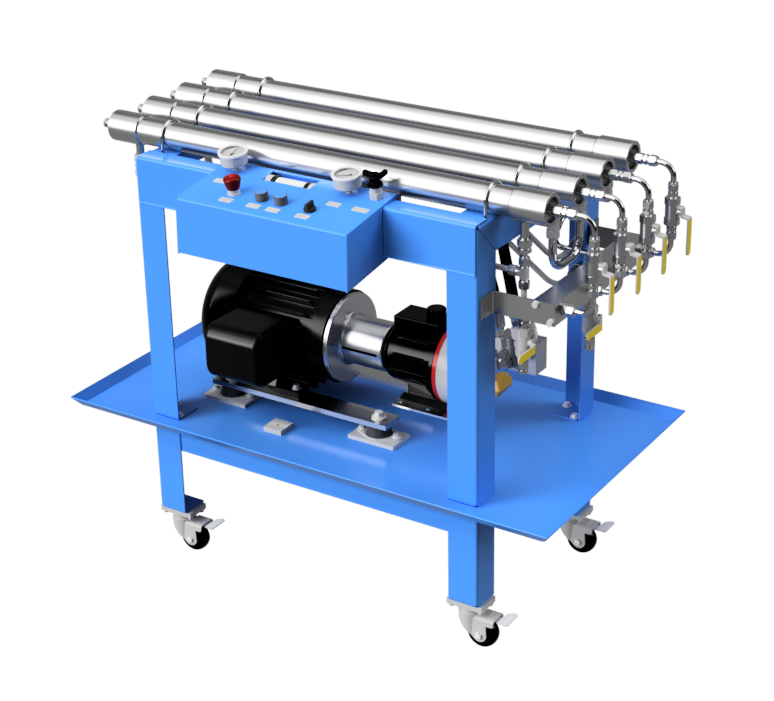
Solvent recovery is another area where equipment selection matters enormously. Membrane-based recovery systems can reclaim solvent more efficiently than traditional distillation columns. As a result, operators save on material costs while also reducing the volume of flammable solvent stored on-site at any given time.
Facility Design Impacts Product Quality
Your processing room design directly affects what you can produce. fresh-frozen compounds operations need consistent cold-chain infrastructure from freezer to processing unit. Meanwhile, cured extract operations benefit from dedicated drying and curing spaces with controlled humidity.
Both approaches require C1D1-rated processing rooms when using hydrocarbon solvents. These rooms provide the ventilation rates, explosion-proof fixtures, and gas detection systems that industry best practices demand. Without proper room classification, operators face permit denials, insurance complications, and significant safety risks.
Temperature control within the processing room also plays a role in product consistency. Rooms that maintain stable ambient temperatures help operators achieve repeatable results batch after batch. Similarly, proper HVAC design prevents solvent vapor accumulation and supports the air change rates required by code.
Choosing Your Path Forward
The decision between fresh-frozen compounds and cured extract is not strictly either-or. Many successful operations produce both product types using shared equipment and infrastructure. The key is designing your facility and selecting equipment that supports flexibility from the start.
Start with a compliant processing room that meets C1D1 standards. Then build out your equipment lineup based on your target product mix. Whether you prioritize the volatile compound-rich experience of fresh-frozen compounds or the stable product strength of cured extract, the right foundation makes scaling straightforward.
Working with experienced engineers during the design phase saves time and money. Fire protection reports, equipment verification, and code-compliant room design all contribute to a smoother permitting process. In the end, the science of processing is only as good as the facility and equipment supporting it.