What You Need to Know About Mechanical, Electrical and Plumbing for processed material Processing Labs
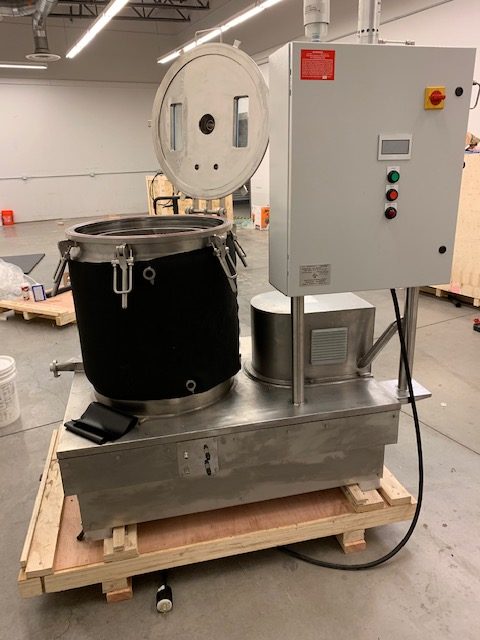
When designing a lab, many processing professionals focus on equipment for processing, but neglect to consider the complicated systems. Structures that keep that equipment running effectively, efficiently and in accordance with relevant regulations and requirements. Mechanical, electrical and plumbing (MEP) systems consist of a complex network of infrastructure. Are carefully designed to maximize available space, ensure the reliable operation of laboratory equipment including C1D2 centrifuge processing professionals and falling film evaporators.Understanding MEP systems is essential in planning processing lab layouts that offer the greatest performance possible.

What is MEP?
MEP describes the various mechanical, electrical and plumbing systems that are incorporated into commercial and industrial facility design. Mechanical systems include environmental control systems, including HVAC and ventilation. In an processing lab, mechanical system planning pertains to the design and implementation of ventilation and exhaust systems

Electrical systems include the wiring, circuitry and control units that power various components and pieces of equipment within a facility. The design and implementation of electrical wiring and infrastructure is complicated in any facility. The planning process for processing labs is particularly rigorous and complicates. C1D1 and C1D2 facilities must be outfitted with appropriate electrical components and fire-rated systems in compliance with NFPA standards.
Plumbing systems include infrastructure that carries water, gas and other liquids to be distributed or circulated through a facility. Plumbing systems in processing labs carry and store solvents. Regardless of the particular solvent being used within a lab. Plumbing systems must be designed for the specific application within a lab to optimize performance and efficiency.
Who plans MEP?
MEP planning requires the coordination, engineering and design of various complex systems, equipment and infrastructure. Successfully executing MEP design for an processing lab requires extensive expertise, education. Experience with the various factors affecting mechanical, electrical and plumbing elements in a lab.
processing professionals who are seeking reliable and compliant MEP systems rely on help from professional engineers who specialize in MEP consulting, planning and design. These engineers are equipped with the knowledge necessary to plan comprehensive MEP systems. We designed to meet the precise needs of individual lab layouts.
Maximizing the benefits of MEP
MEP systems are not just necessary for the function of an processing lab. They also have a huge impact on the performance and efficiency of a processed material processing lab. Proper MEP planning can make a big difference when it comes to the production capacity of a lab. Not to mention the optimization of equipment operation. To maximize the benefits of MEP planning, it is essential to work with experienced professionals who offer comprehensive design services.

Find engineers who have extensive experience with MEP planning. Understand all of the complex factors that affect mechanical, electrical and plumbing systems. This is especially crucial for processing labs where regulated solvents are used. Any issue with MEP can result in production downtime or compliance violations– costly problems that have the potential to derail growth.
If you are looking for MEP engineering services for your processing lab, it is essential to invest in services from engineers who specialize in C1D1 and C1D2 lab planning and design. At C1D1 Labs, we are proud to offer our clients access to fire protection engineers who offer comprehensive MEP planning and design for processing labs. With extensive training and experience with MEP systems planning for a variety of lab setups and layouts. You can feel confident that you will receive the best services possible to maximize the production, efficiency and compliance of your lab.