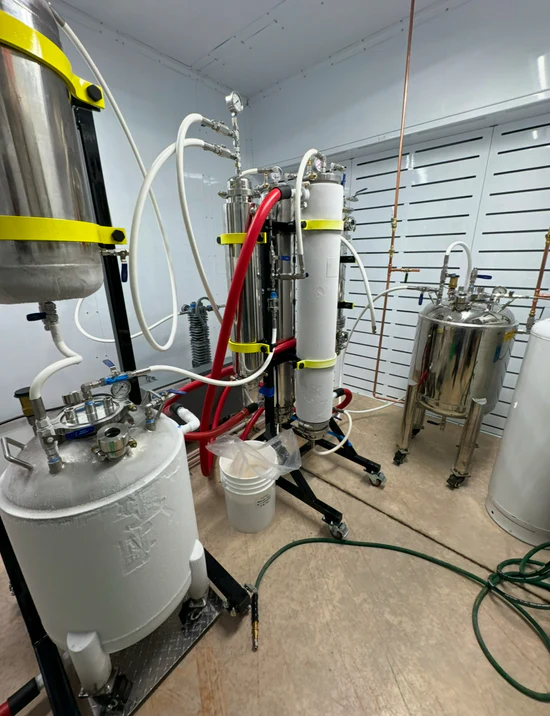
Selecting a closed-loop processing system ranks among the most important decisions any processing lab operator will make. The equipment you choose affects product quality, operational safety, and long-term profitability. Moreover, the wrong system can create compliance headaches that slow your entire operation down.
In this guide, we break down what matters most when evaluating closed-loop hydrocarbon processing equipment. As a result, you will walk away with a clear framework for making the right choice.
What Makes a Closed-Loop System “Closed-Loop”?
A closed-loop processing system recirculates solvent through a sealed pathway. The solvent never contacts open air during the processing process. Consequently, this design minimizes flammable vapor exposure and keeps operators safe. The NFPA 1 Fire Code requires closed-loop systems for hydrocarbon processing in commercial settings.
Open blasting, by contrast, releases butane directly into the surrounding environment. For this reason, every state with legal processing has banned open blasting in licensed facilities. Closed-loop systems solve this problem entirely.

Key Factors When Choosing Your System
1. Material Column Size and Throughput
Your daily processing volume determines the size of material column you need. Smaller columns work well for boutique operations focused on premium fresh-frozen compounds. Larger columns suit high-volume facilities that process significant quantities of biomass each day. Additionally, consider whether you plan to scale production in the next two to three years.
C1D1 Labs manufactures butane processing equipment in multiple sizes. Each system accommodates different production scales without sacrificing compound quality.
2. Solvent Recovery Efficiency
Efficient solvent recovery saves money on every single run. Top-tier closed-loop systems recover well over ninety percent of the butane used in each cycle. Furthermore, better recovery means less solvent purchasing and reduced waste disposal costs over time.
Look for systems with high-quality condensing coils and properly sized recovery tanks. Heat exchangers also play a critical role in speeding up recovery without degrading volatile compound profiles.
3. Build Quality and Materials
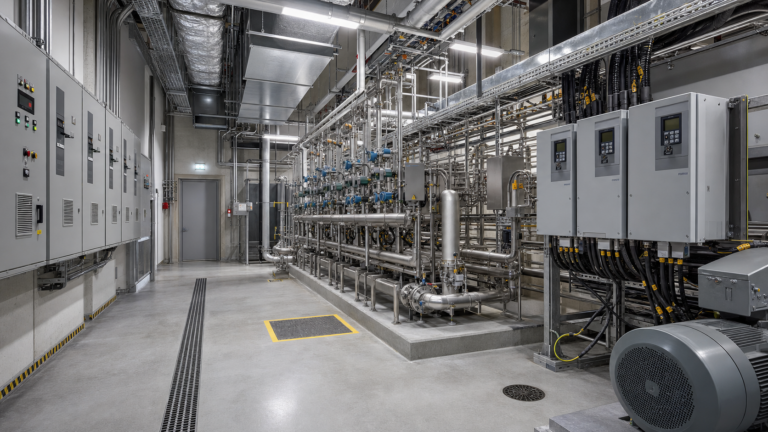
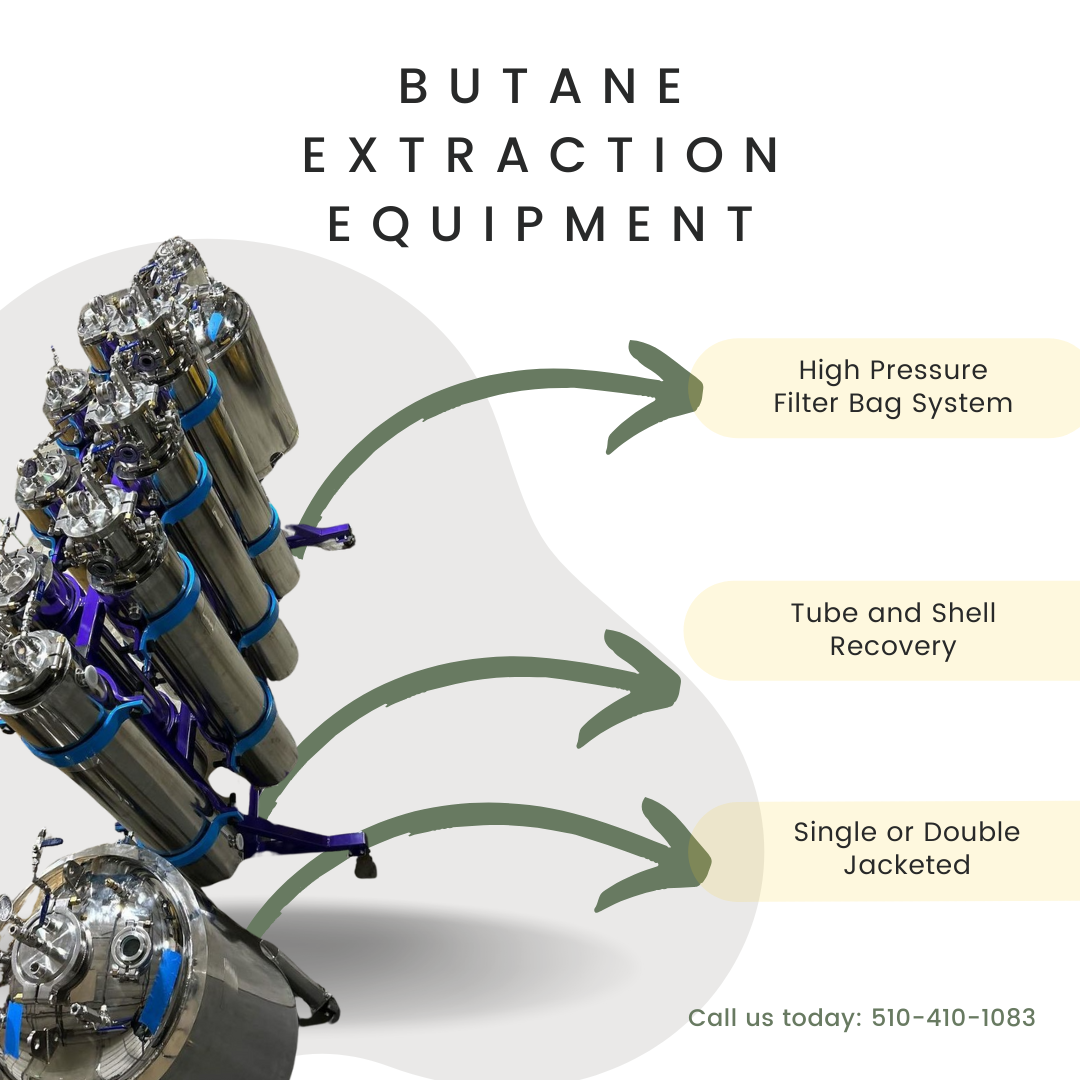
Every component that contacts solvent should use stainless steel rated for pressure service. In addition, all welds need proper certification. Cheap imported systems often cut corners on weld quality and gasket materials. These shortcuts create safety risks and shorten equipment lifespan.
According to OSHA hazardous chemical handling guidelines, equipment used with flammable solvents must meet specific material and construction standards. Therefore, always verify that your system meets ASME pressure vessel codes.
4. Safety Features
Modern closed-loop systems include several essential safety features. Pressure relief valves prevent dangerous over-pressurization. Sight glasses let operators monitor solvent flow without opening the system. Tri-clamp fittings allow quick, secure connections that resist leaks.
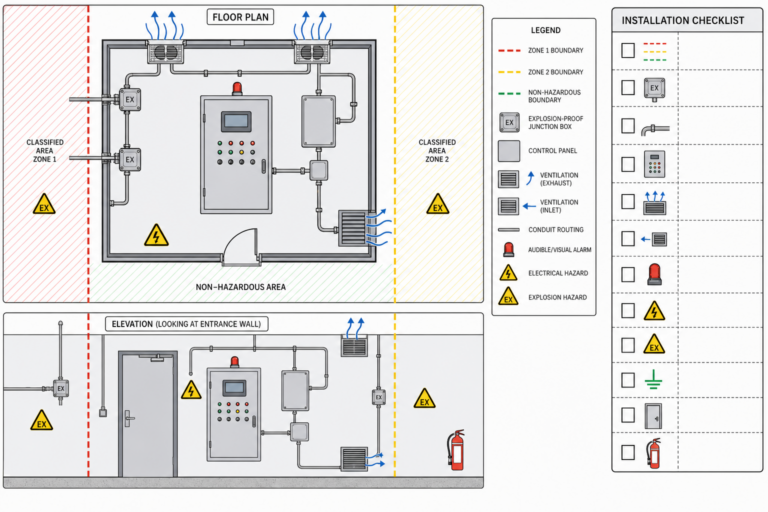
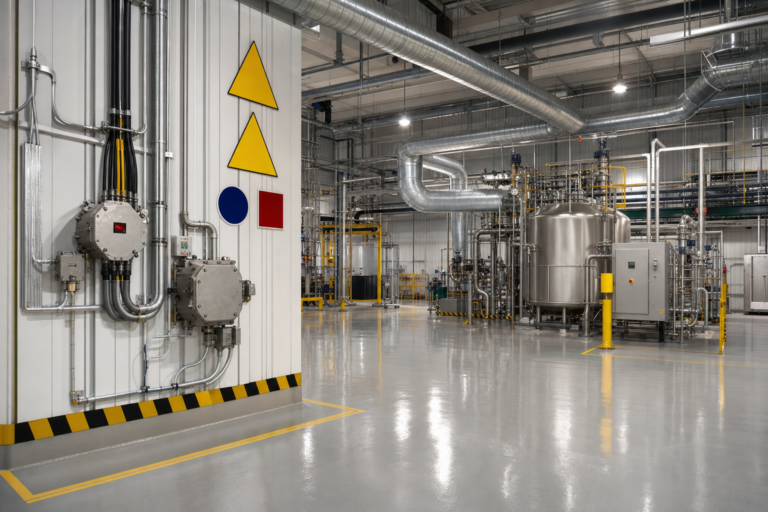
Beyond the equipment itself, your processing system must operate inside a compliant C1D1 processing booth. These booths provide the ventilation, gas detection, and fire suppression that code enforcement requires.
Butane vs. Other Hydrocarbon Blends
Pure butane processing produces excellent results for many concentrate types. However, some operators prefer butane-propane blends for specific products. Propane runs at higher pressures and strips different volatile compound profiles compared to pure butane. As a result, blended systems need components rated for the higher operating pressures that propane demands.
The Processing Business Times regularly covers evolving best practices around solvent selection and processing methodology. Staying current with industry publications helps operators make informed equipment decisions.

Installation and Compliance Considerations
Purchasing the right equipment is only half the battle. You also need proper installation inside a code-compliant room. Fire marshals and local authorities having jurisdiction review processing lab setups before granting operational permits.
C1D1 Labs provides complete processing equipment packages that pair machines with compliant enclosures. This integrated approach streamlines the permitting process significantly. Instead of coordinating between multiple vendors, operators get a single source for equipment and compliance documentation.
Maintenance Keeps Your System Running
Regular maintenance extends equipment life and maintains product quality. Clean gaskets and replace them on a set schedule. Inspect sight glasses for cracks or clouding after every production week. Additionally, test pressure relief valves quarterly to confirm they activate at the correct set point.
Neglecting maintenance leads to downtime, failed inspections, and potential safety incidents. Treat your closed-loop system like the precision instrument it is.
Making Your Final Decision
The best closed-loop processing system matches your current production needs while leaving room for growth. It meets every applicable safety code. It uses quality materials and construction methods. Above all, it comes from a manufacturer who understands solvent processing compliance inside and out.
C1D1 Labs builds every system in the USA with full ASME compliance and fire protection engineering support. When you invest in the right equipment from the start, you avoid costly retrofits and compliance failures down the road.