Extraction Lab
Building Permits made easy
MEP Engineering for Extraction
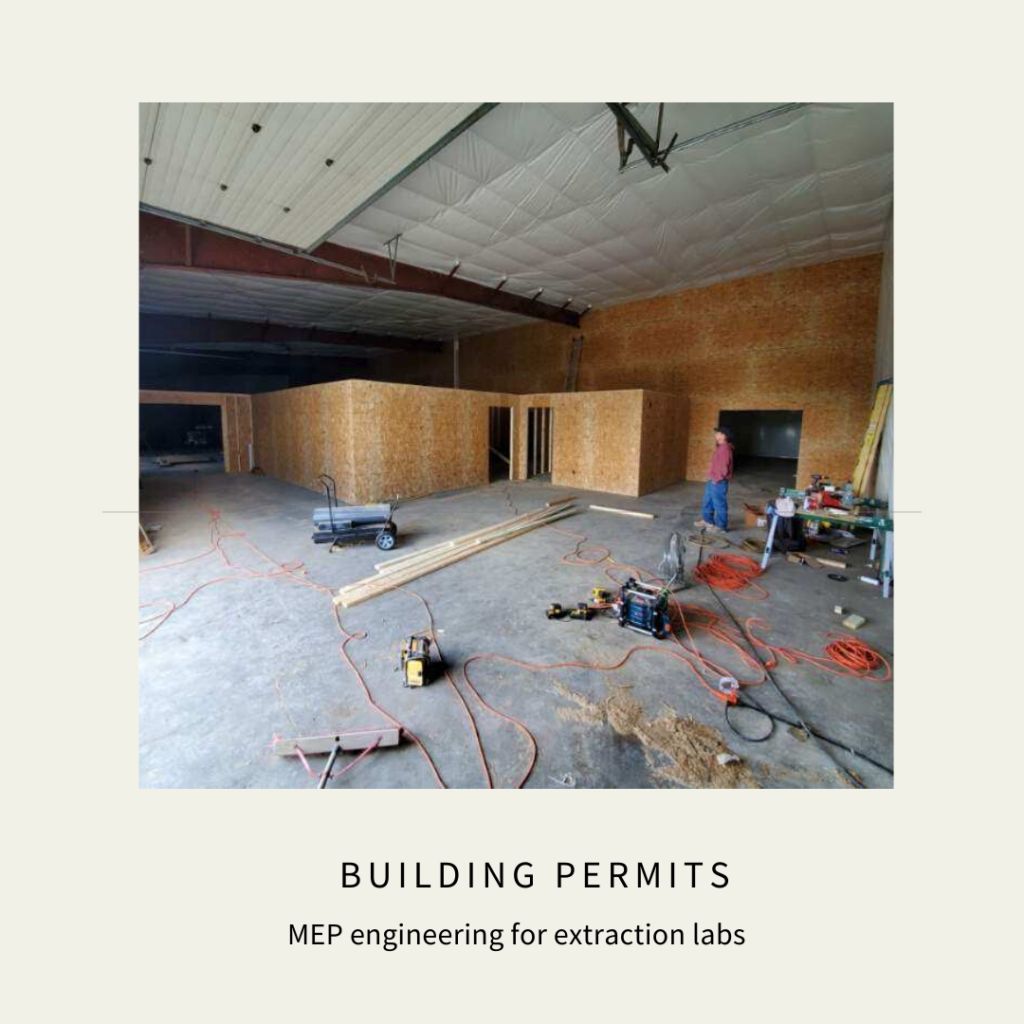
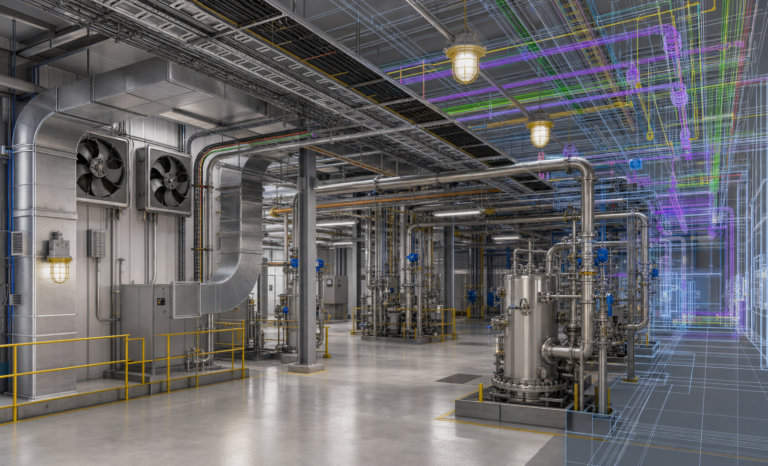
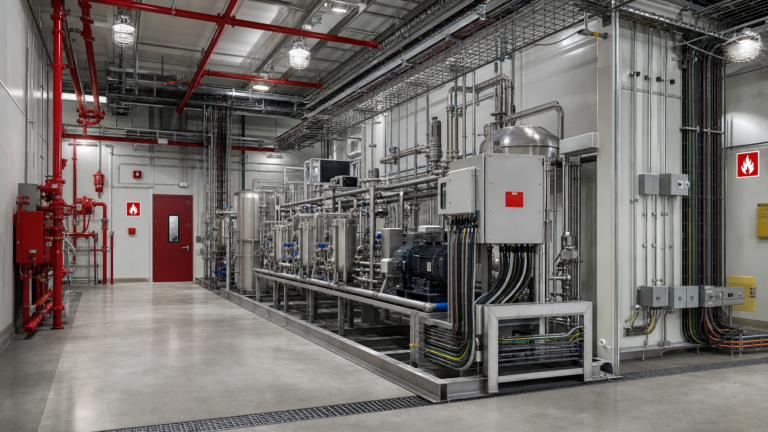
After a conceptual floor plan and fire hazard analysis have been completed through the Easy Approval Package (phase 1) , an extraction lab will be required to show the building department the engineering behind the construction which will need to be reviewed by the municipality’s engineers. This is called Mechanical, Electrical, Plumbing (and sometimes structural) engineering plans. MEP engineering goes beyond the basic floor plan schematics and fire codes and dives into how your team will construct walls, ducting to the exterior of the building, HVAC and air-conditioning plans, electrical load calculations and plans to add/modify electricity in the building, plumbing designs and materials and structural changes and explanations. For most “local” engineering firms, the learning curve to building an extraction lab can be costly to the client. Just to even get an extraction lab hazardous ventilation engineered with a HVAC system can be exhausting!
Sticking to an experienced team like C1D1 Labs will streamline your project’s timeline, getting your extraction project up and running quicker. Cutting down this timeline and saving your team money with tested engineered designs are just some of the advantages. By having the same team that consults on your extraction processes, processing equipment and even certifying processing equipment, projects managers can rely on one engineering team to pick up the project and take the project to the finish line. Eliminating miscommunication, and increasing overall effectiveness in the project.
Extraction Lab Architectural Services
In conjunction with the MEP design, our team is able to offer preparation of architectural submittals which are required to be provided alongside the MEP drawings for an extraction lab. These documents are submitted together to achieve city or county ‘Plan Check’ approval and be issued a building permit. This design scope is typically commissioned alongside the MEP work, as the two support and reference each other, but they can be split up if the client requires. However, working with the architect who is in direct communication with the MEP team and also the fire protection engineer for when the city requests revisions or has comments.
Building permits for extraction labs often require architectural drawings because a build-out of an existing space, referred to as a ‘Tenant Improvement triggers a ‘change of use’ from a building code standpoint. This means that additional drawings and documents, stamped by our Architect of Record, will likely be required to prove that the space conforms to the code demands of this new use. Our lab design team are the extraction industry’s most experienced architects and have the knowledge to comprise both tenant improvement and “ground-up” new buildings drawings. Hire the best architects and engineers to build an extraction lab. Efficiency is in the experience.
If You Build It, They Will Come
Fill out the form below to ask us how to get started. Our C1D1 experts are knowledgeable on extraction rooms, cleanrooms, hydrocarbon closed loop systems, chillers, pumps, and more. Or give us a call
(510) 410-1083
C1D1 Labs Blogs
Giving you the tools and information you need to be successful

C1D1 Booths, Hydrocarbon Extraction Equipment, and Ethanol Extraction Equipment: A Code-Driven Design Strategy
Learn how C1D1 booths, hydrocarbon extraction equipment, and ethanol extraction equipment benefit from code-driven engineering tied to NFPA, IFC, and IBC requirements.

Industrial Fire Hazard Analysis: How PE-Stamped Engineering Lowers Insurance Loss Ratios on Manufacturing Risks
Industrial facilities present some of the most complex risk profiles on any underwriter’s desk. From chemical manufacturing plants to battery production lines and high-throughput warehouses, these properties combine high-value assets, concentrated process hazards, and significant business interruption exposure. Consequently, insurers who rely on generic occupancy classifications often miss the engineered details that drive claim severity. A rigorous industrial fire hazard

How C1D1 Hazardous Area Rooms Power the Battery Manufacturing Boom
Battery plants need hazardous area rooms. C1D1 Labs adapts cannabis extraction expertise to deliver modular C1D1 enclosures, fire protection engineering, and fast permitting for lithium-ion gigafactories.