
Fire Protection
Professional Engineer Services
Fire Protection Reports for Hazardous Facilities
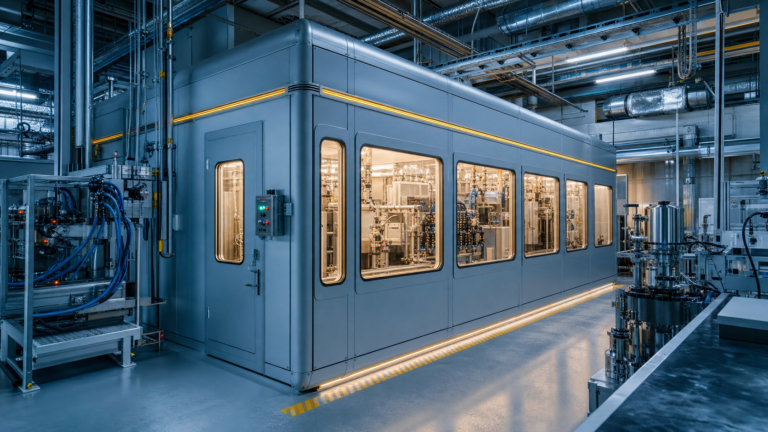
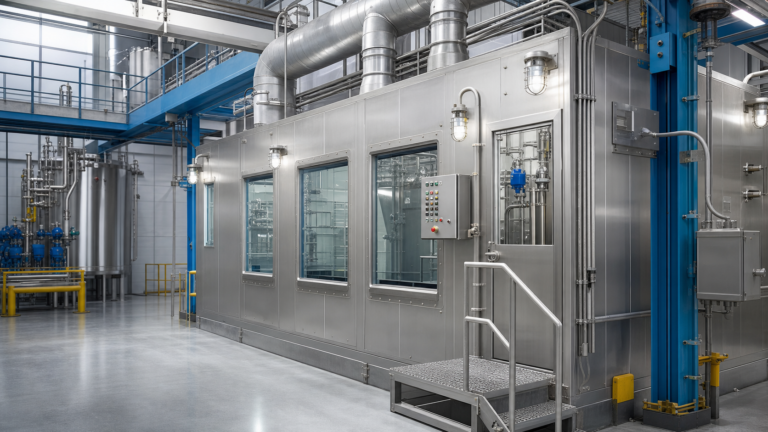
Fire protection reports for hazardous facilities go over a handful of the design requirements that many architects overlook. Maximum allowed quantities of solvent are calculated, and control areas are defined correctly. Our designers and engineers work together to create floor plans that increase solvent limits efficiently, while at the same time keep the process flow of the product manufacturing. Patented design products decrease build time, engineering cost, labor and material when actually building these control areas. The fire protection engineer report for every manufacturing facility includes a personalized process flow diagram with your selected equipment. Your processes are reviewed and backed by the required fire code to get your plans through the municipality without red tape. Most importantly, our Fire Protection Professional Engineer’s stamp actually is able to shift liability from the local fire department and place liability onto our engineers. Expediting your approval. Stop wasting your time playing games with your city, county, and state and show them what they want to see the first time.
Hazard Analysis Reports for Hazardous Facilities
A manufacturing facility that uses flammable liquids or liquefied petroleum gas often has a very difficult time getting the approval of the local fire department. In many cases, fire marshals are known to over regulate from what is actually required and cause major red tape for a project that desires speed to market. Luckily, our engineers have the experience you need in a hazardous industry and know how to streamline line your acceptance in so many ways. Our fire protection professional engineers are able to create a path that leads the way for mechanical, electrical, and plumbing engineers. These fire hazard analysis reports when created congruently with a floor plan protect your floor plan against harsh design comments during the first revisions with the municipality.
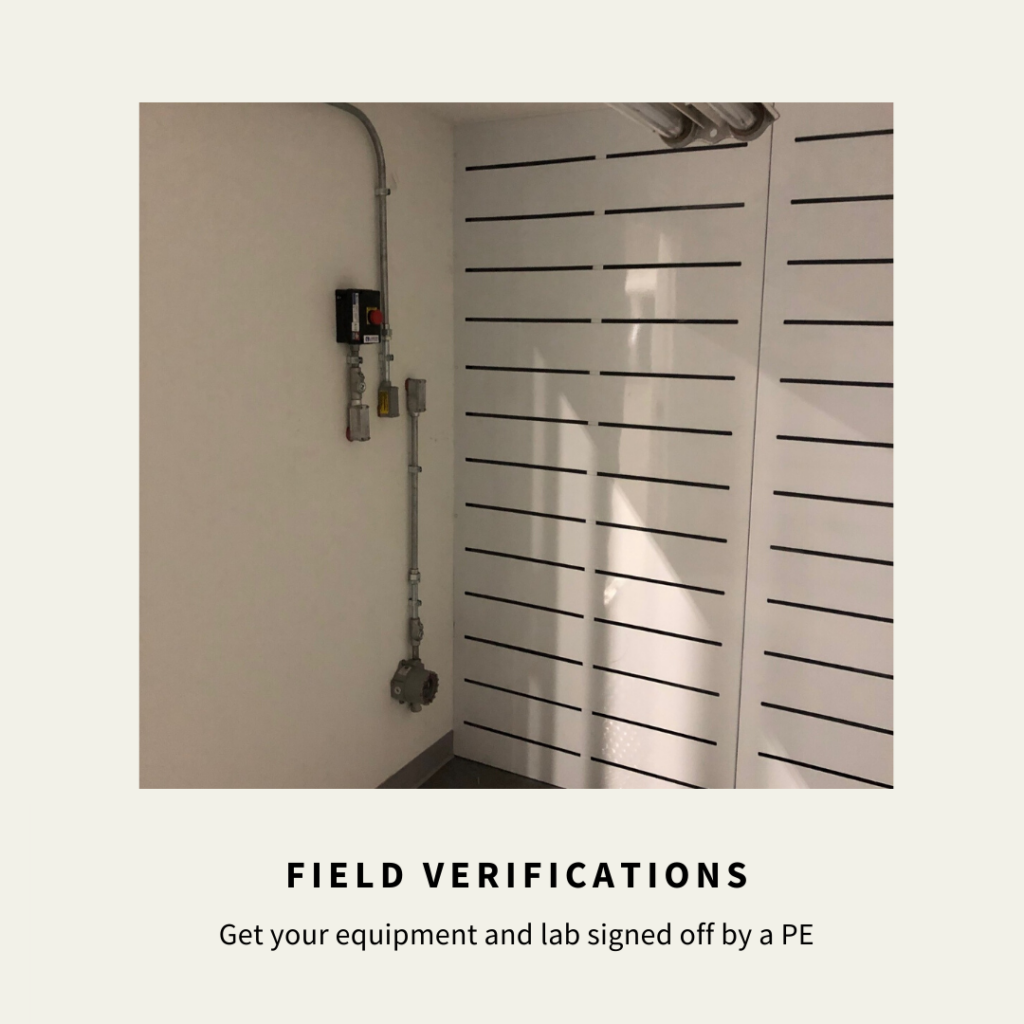
C1D1 Labs has successfully helped hundreds projects achieve a fire protection professional engineer stamp. There is no project to big or small, and we can get you stamped in any location. In states that license engineering by engineering discipline, like Nevada and California, we have the Professional Engineer (PE) Fire Protection Engineer and Mechanical Engineer licenses. We are capable of obtaining both of these licenses in any other state that licenses by engineering discipline like this. Our lead fire protection engineer is also a certified building code expert, fire inspector, and architectural engineer.
If You Build It, They Will Come
Fill out the form below to ask us how to get started. Our C1D1 experts are knowledgeable on extraction rooms, cleanrooms, hydrocarbon closed loop systems, chillers, pumps, and more. Or give us a call
(510) 410-1083
C1D1 Labs Blogs
Giving you the tools and information you need to be successful

C1D1 Booths, Hydrocarbon Extraction Equipment, and Ethanol Extraction Equipment: A Code-Driven Design Strategy
Learn how C1D1 booths, hydrocarbon extraction equipment, and ethanol extraction equipment benefit from code-driven engineering tied to NFPA, IFC, and IBC requirements.

Industrial Fire Hazard Analysis: How PE-Stamped Engineering Lowers Insurance Loss Ratios on Manufacturing Risks
Industrial facilities present some of the most complex risk profiles on any underwriter’s desk. From chemical manufacturing plants to battery production lines and high-throughput warehouses, these properties combine high-value assets, concentrated process hazards, and significant business interruption exposure. Consequently, insurers who rely on generic occupancy classifications often miss the engineered details that drive claim severity. A rigorous industrial fire hazard

How C1D1 Hazardous Area Rooms Power the Battery Manufacturing Boom
Battery plants need hazardous area rooms. C1D1 Labs adapts cannabis extraction expertise to deliver modular C1D1 enclosures, fire protection engineering, and fast permitting for lithium-ion gigafactories.