Post-processing equipment turns raw compound into shelf-ready concentrate. Moreover, the right tools cut labor, sharpen consistency, and protect your margins. In this guide, we walk through the three workhorses of any modern lab: centrifuges, vacuum ovens, and isolation vessel. Furthermore, we explain how each fits into a compliant C1D1 processing workflow.
Why Post-Processing Matters
Processing pulls refined compounds and volatile compounds from biomass. However, the crude that exits the closed-loop system still carries waxes, fats, and residual solvents. Therefore, lab teams rely on post-processing equipment to refine, purge, and crystallize the final product. As a result, brands deliver cleaner concentrate sample, cleaner vaporizers, and cleaner edibles.
Additionally, regulators increasingly scrutinize residual solvent levels. According to the FDA’s Q3C residual solvent guidance, compounds must fall below strict thresholds. Consequently, robust purging gear is no longer optional.

Centrifuges: Speed Meets Selectivity
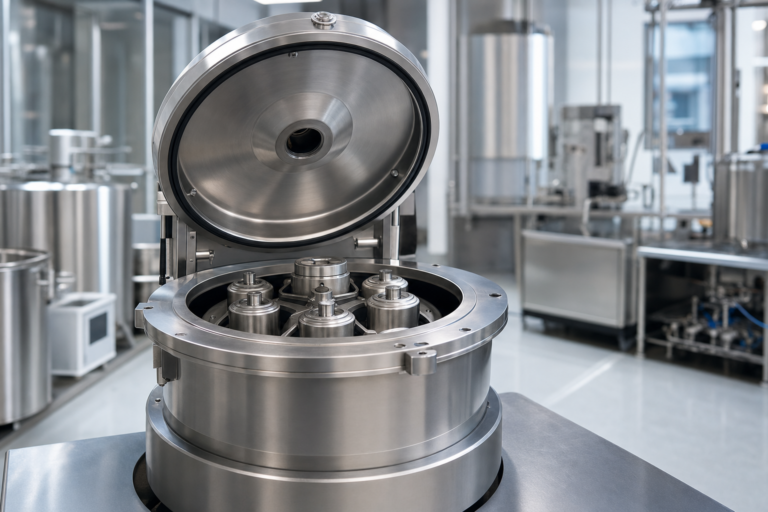
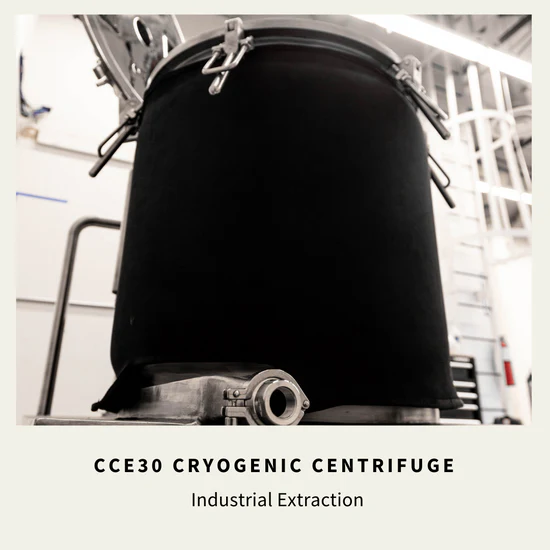
Centrifuges separate solids from liquids using high-speed rotation. In ethanol workflows, they wash chilled biomass and spin off spent material in minutes. Consequently, operators move from soak to filter without messy bag squeezes. Furthermore, modern jacketed units keep solvent cold throughout the cycle. As a result, chlorophyll and waxes stay locked in the processed material instead of bleeding into the miscella.
Notably, the Spin Tech centrifuge line at C1D1 Labs offers C1D2-rated motors and stainless baskets sized for craft and commercial labs. In addition, the platform supports rapid swap-out of baskets, so teams can run multiple strains back to back. Therefore, throughput climbs without expanding floor space.
Beyond ethanol, centrifuges also play a role in hydrocarbon workflows. For example, color remediation slurries spin clean quickly. Subsequently, downstream filtration moves faster and with less media waste.
Vacuum Ovens: The Final Purge
Vacuum ovens pull residual solvents from compound under low pressure and gentle heat. Because boiling points drop in vacuum, volatile volatile compounds survive and shatter, smooth-textured product, and fresh-frozen compounds keep their character. Moreover, even heating across multiple shelves keeps batches consistent.
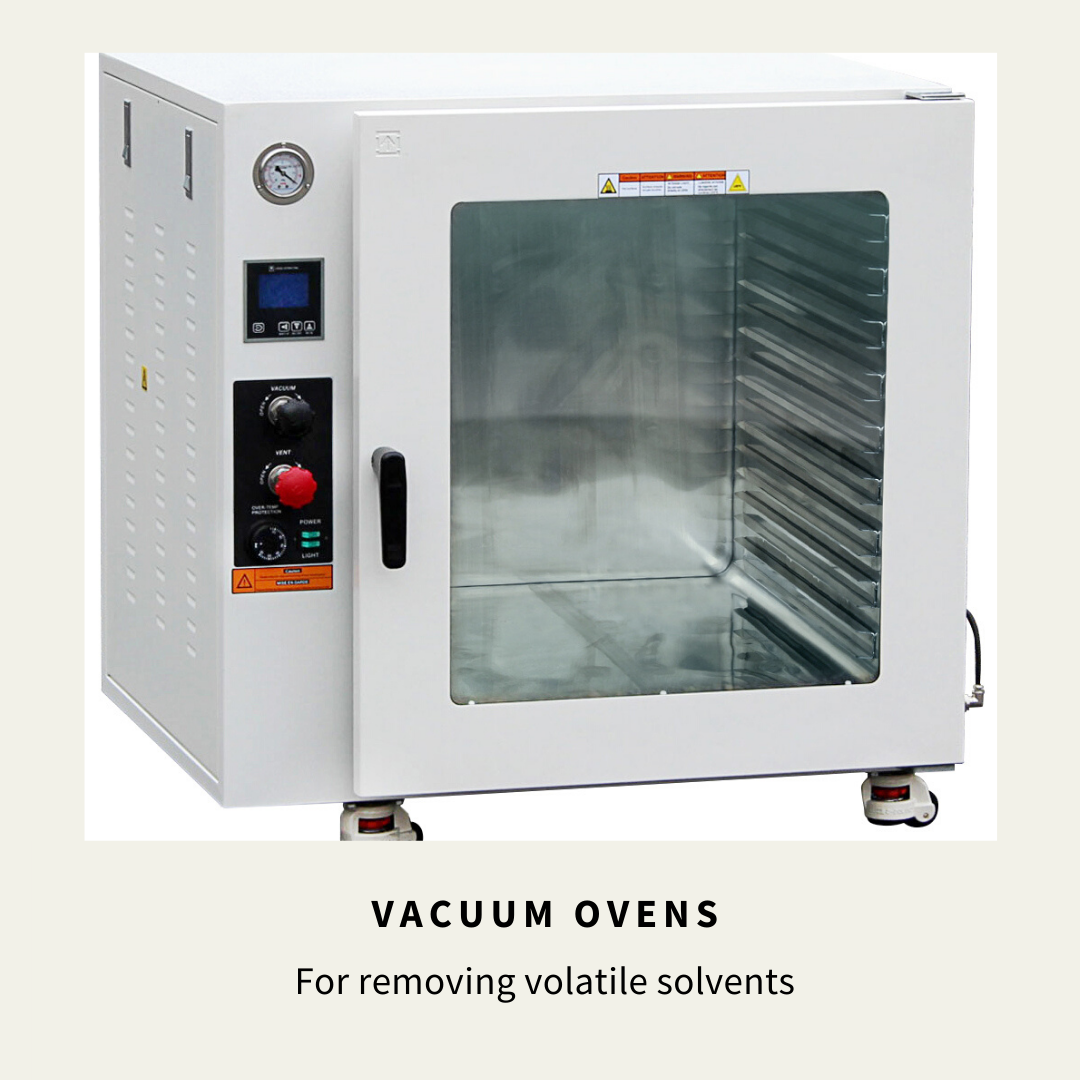
Critically, vacuum ovens require placement inside a hazardous-rated room when purging volatile solvents. The NFPA 1 fire code drives this requirement, and authorities having jurisdiction enforce it strictly. Therefore, pairing your vacuum oven with a fire-rated booth keeps your operation insurable and inspection-ready.
Additionally, C1D1 Labs holds a patent on a dual-door vacuum oven design. This patented door layout supports cleaner workflow segregation between dirty and clean sides. As a result, contamination risk drops while batch cycle times improve.
isolation vessel: Crystals on Demand
isolation vessel create the chunky refined compounds crystals consumers love. Specifically, these ASME-rated vessels hold solvent and compound under controlled pressure and temperature. Over several days, refined compounds nucleates and grows into glassy diamonds suspended in terp sauce.
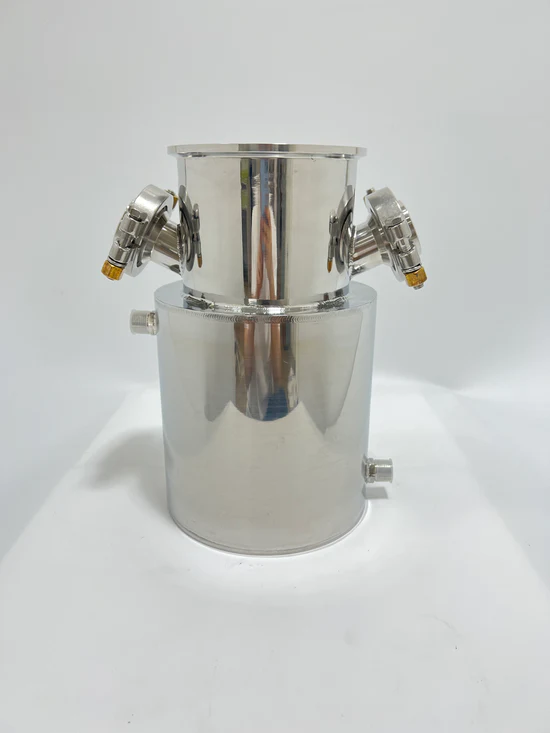
Furthermore, isolation vessel must meet ASME Section VIII pressure vessel standards. The ASME BPVC Section VIII sets the design and inspection rules that fire marshals expect to see. Accordingly, C1D1 Labs supplies code-stamped ASME isolation vessel in multiple sizes. Moreover, every unit ships with documentation that smooths permitting and engineer peer reviews.
Designing a Cohesive Post-Processing Suite
A great processing line balances all three tools. First, plan your space around solvent flow, not just equipment footprints. Next, place hazardous gear inside a C1D1 booth and keep clean post-processing in an adjacent classified or unclassified zone. Then, route utilities so chillers, vacuum pumps, and recovery skids stay accessible for service.
Additionally, operators should standardize SOPs across centrifuge, oven, and miner stations. Clear procedures reduce training time and lock in repeatable quality. Consequently, technicians produce consistent product even as batch volumes grow.
Finally, plan for capacity in tiers, not single jumps. For instance, start with one centrifuge basket size, one oven, and one miner. Then, add identical units as demand climbs. This modular approach keeps capital efficient and avoids stranded equipment.
Compliance, Insurance, and Peace of Mind
Post-processing gear lives or dies by code compliance. Because vacuum ovens and miners involve flammable solvents, they trigger NFPA, IFC, and local fire code reviews. Moreover, insurance carriers want documented engineer reports before they bind a policy. C1D1 Labs delivers fire protection engineer reports that cover solvent calculations, equipment review, and code alignment. As a result, clients close permits faster and lock in better insurance terms.
In short, smart post-processing is part craftsmanship and part compliance. Choose proven equipment, house it inside a code-compliant room, and document everything. Then, your lab will scale safely, profitably, and without surprises.