
Getting a solvent processing lab up and running takes more than equipment and a lease. Before you process a single gram of material, you need building permits and fire marshal approval. This step trips up more operators than almost anything else. However, with the right approach and the right team, you can move through the permitting process efficiently and avoid costly delays.
In this guide, we break down exactly what it takes to secure building permits and fire marshal sign-off for your processing facility.
Why Permits Matter for Processing Labs
Solvent processing involves flammable solvents like butane, propane, and ethanol. As a result, local authorities treat these facilities as high-hazard occupancies. Your local Authority Having Jurisdiction (AHJ) will require documentation proving your lab meets fire and safety codes before you can operate legally.
Skipping this step or cutting corners creates serious problems. Unpermitted labs face shutdowns, fines, and insurance denials. On the other hand, a properly permitted facility signals professionalism and protects your investment for years to come.
According to the NFPA 1 Fire Code, any facility handling flammable materials must comply with specific occupancy classifications and ventilation requirements. Understanding these codes early saves you time and money.

Step 1: Understand Your Occupancy Classification
The first thing your fire marshal will look at is your occupancy classification. Processing labs using hydrocarbon solvents typically fall under Group H (High Hazard) occupancy. Specifically, most butane and propane processing operations classify as H-1 or H-2 depending on the quantities of flammable materials on site.
This classification drives everything else. It determines your required fire-rated construction, ventilation rates, electrical classifications, and egress requirements. Therefore, getting this right at the start prevents expensive redesigns later.
C1D1 Labs specializes in helping operators understand these classifications. Their processing lab building permit services walk you through every requirement specific to your jurisdiction and equipment setup.
Step 2: Engage a Fire Protection Engineer Early
Most AHJs require a fire protection engineer report before they issue permits. This report covers solvent storage calculations, ventilation design, gas detection placement, emergency shutdown systems, and code compliance across local, state, and national standards.
Many operators make the mistake of designing their lab first and hiring an engineer second. This approach almost always leads to redesigns. Instead, bring your fire protection engineer in during the planning phase. They can identify code issues before they become construction problems.
The OSHA Hazardous Materials Standards also apply to processing facilities. Your engineer should address both NFPA and OSHA requirements in a single comprehensive report.
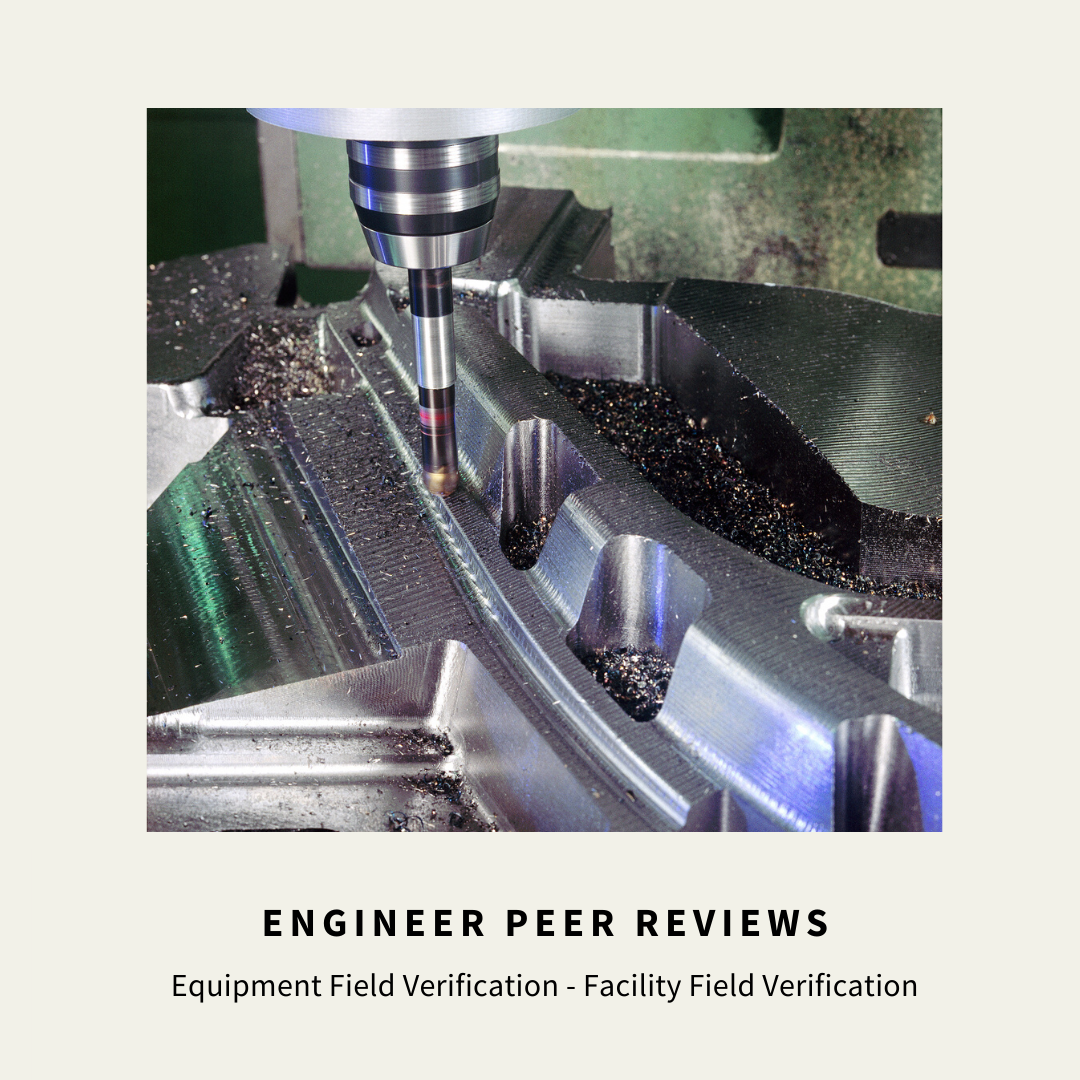
C1D1 Labs provides processing engineer peer reviews that cover equipment verification, hazard analysis, and code compliance documentation. These reports give fire marshals exactly what they need to approve your project.
Step 3: Prepare Your Permit Application Package
A complete permit application typically includes architectural drawings, mechanical plans, electrical plans, the fire protection engineer report, equipment specifications, and a hazardous materials inventory statement. Missing even one document can delay your approval by weeks.
Additionally, many jurisdictions require a pre-application meeting with the fire marshal. Use this meeting to your advantage. Bring your engineer report and preliminary plans. Ask specific questions about local amendments to the building code. Every jurisdiction has quirks, and discovering them early keeps your timeline on track.
The International Building Code (IBC) serves as the baseline that most jurisdictions adopt. Familiarizing yourself with IBC Chapter 4 on special detailed requirements gives you a head start on what your AHJ expects.
Step 4: Address C1D1 Room Requirements
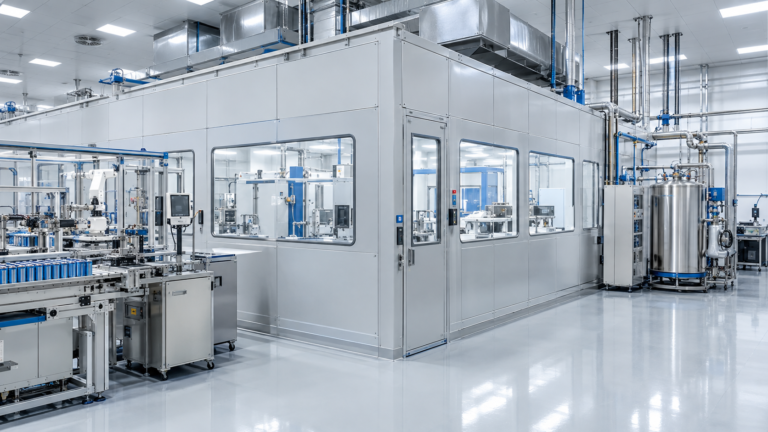
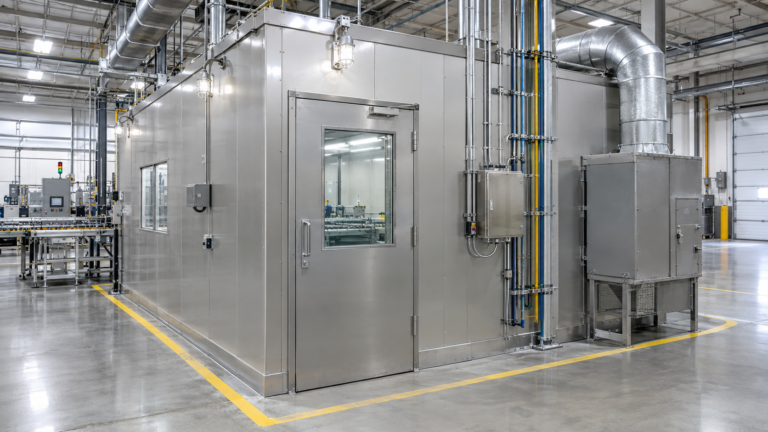
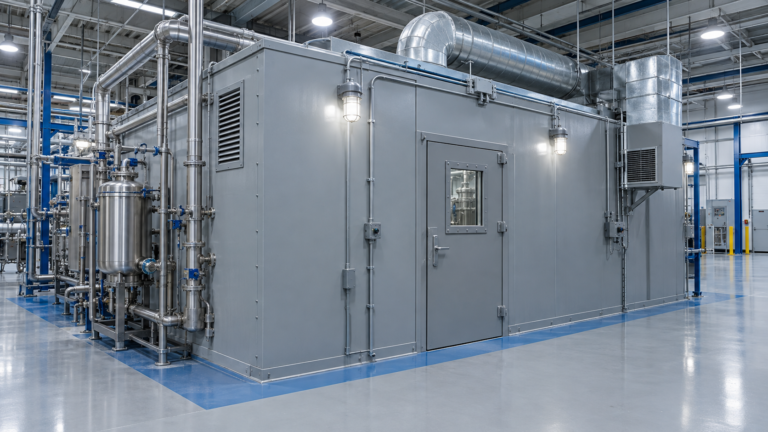
For hydrocarbon processing, your facility needs a C1D1-rated room. This is a Class I, Division 1 hazardous location as defined by the National Electrical Code. Every electrical component inside the room must be explosion-proof or intrinsically safe. The room also needs continuous mechanical ventilation, gas detection systems, and emergency shutdown capabilities.
Fire marshals pay close attention to C1D1 room construction. The walls, ceiling, and floor must meet specific fire-resistance ratings. Ventilation must maintain negative pressure and provide adequate air changes per hour to prevent flammable vapor accumulation.
C1D1 Labs builds prefabricated processing rooms that arrive ready for installation. Their fire protection services include all the engineering documentation your fire marshal requires. This turnkey approach eliminates the guesswork and dramatically shortens your permitting timeline.

Step 5: Schedule Inspections and Final Approval
Once construction is complete, your AHJ will conduct inspections before granting final approval. These inspections typically cover structural elements, electrical systems, mechanical ventilation, fire suppression, gas detection, and emergency egress. Prepare for multiple inspection visits.
Keep all your documentation organized and accessible on site. Inspectors want to see the approved plans, engineer reports, equipment certifications, and test results for gas detection and ventilation systems. Having everything ready speeds up the process considerably.
Common Mistakes That Delay Permits
Several common mistakes slow down the permitting process. First, submitting incomplete applications wastes everyone’s time. Second, using non-certified equipment forces redesigns. Third, ignoring local code amendments leads to plan check rejections. Finally, starting construction before permits are issued can result in stop-work orders and fines.
The smartest move you can make is partnering with a team that has already navigated the permitting process in multiple jurisdictions. Experience with different AHJs across the country means fewer surprises and faster approvals.
Get Expert Help With Your Processing Lab Permits
Building permits and fire marshal approvals do not have to be a roadblock. With proper planning, the right engineering documentation, and a compliant facility design, you can move from concept to operation on a predictable timeline. C1D1 Labs has helped operators across the country secure permits and pass inspections on the first attempt. Reach out today to start your project on the right foundation.