Choosing between an indoor and outdoor C1D1 processing room is one of the first major decisions processing operators face. Both options meet NFPA 1 and local fire code requirements. However, they differ significantly in cost, timeline, flexibility, and long-term scalability. Understanding these differences helps you invest wisely and stay compliant from day one.
In this guide, we break down the key factors that separate indoor processing rooms from outdoor prefabricated units. As a result, you will have a clear picture of which approach matches your facility goals.
What Makes a Room C1D1 Compliant?
Before comparing indoor and outdoor setups, it helps to understand what C1D1 actually means. A Class 1, Division 1 area is a space where ignitable concentrations of flammable gases or vapors exist under normal operating conditions. According to the NFPA 1 Fire Code, any room used for hydrocarbon processing must meet strict electrical, ventilation, and structural standards.
These standards include explosion-proof electrical components, continuous air monitoring, emergency ventilation systems, and fire-rated construction. Every piece of equipment inside the room must carry the appropriate hazardous location rating. Additionally, the room itself needs proper gas detection tied to automatic shutoff systems.
C1D1 Labs designs both processing booths and full-scale rooms that meet these requirements. Each unit ships ready for installation with all safety systems integrated.

Indoor C1D1 Processing Rooms: The Build-Out Approach
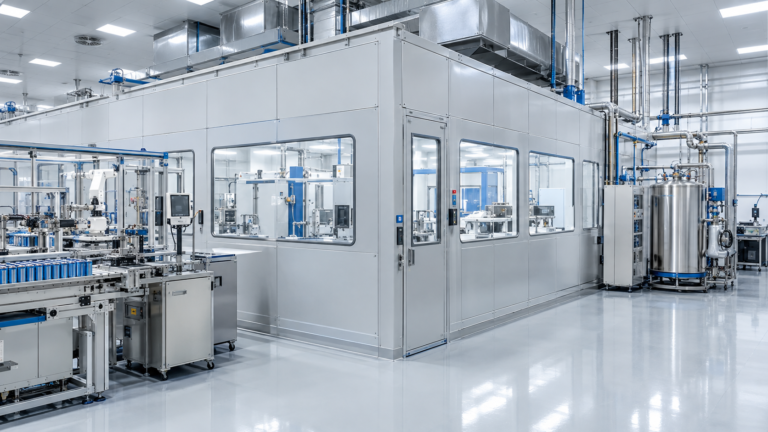
An indoor processing room is constructed within an existing building. Contractors frame out a dedicated space, install fire-rated walls, and retrofit the area with compliant electrical and HVAC systems. This approach works well when you already lease or own a commercial facility.
There are several advantages to going indoor. First, you consolidate operations under one roof. Your processing team works steps away from post-processing, packaging, and storage. This proximity reduces material handling time and simplifies workflow.
Second, indoor rooms benefit from the host building’s existing infrastructure. You can tap into existing electrical panels, plumbing, and climate control systems. As a result, some utility costs stay lower compared to standalone outdoor units.
However, indoor build-outs come with challenges. Permitting timelines tend to stretch longer because the Authority Having Jurisdiction (AHJ) must review the entire building’s interaction with the hazardous area. Fire marshal approvals require detailed fire protection engineering reports that address separation distances, egress paths, and occupancy classifications. The OSHA hazardous environments guidelines also apply to worker safety planning within the broader facility.

Outdoor C1D1 Processing Rooms: The Prefab Advantage
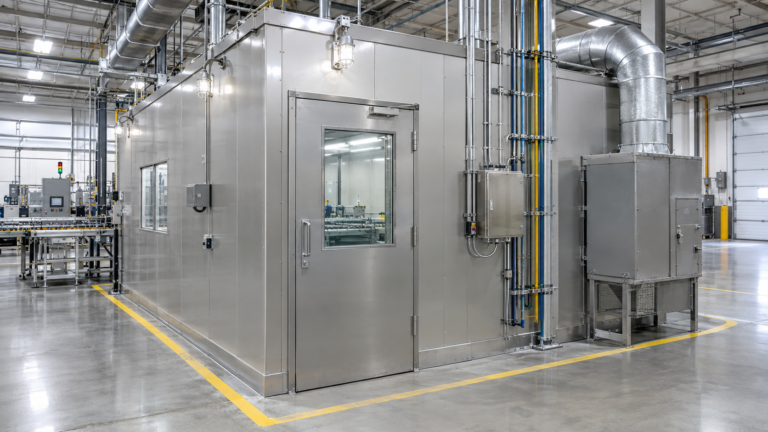
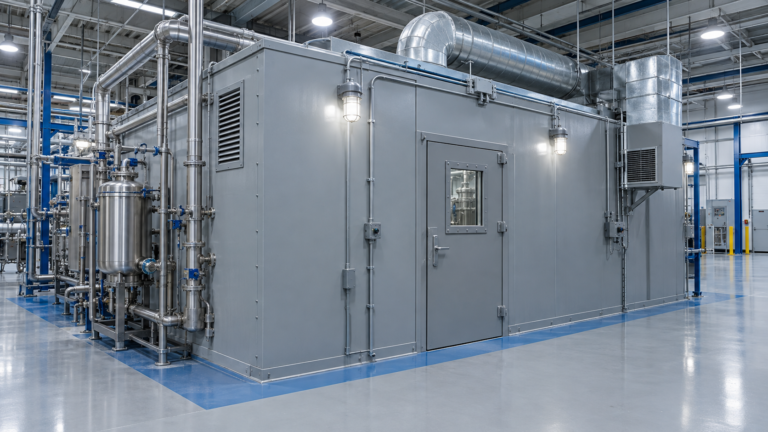
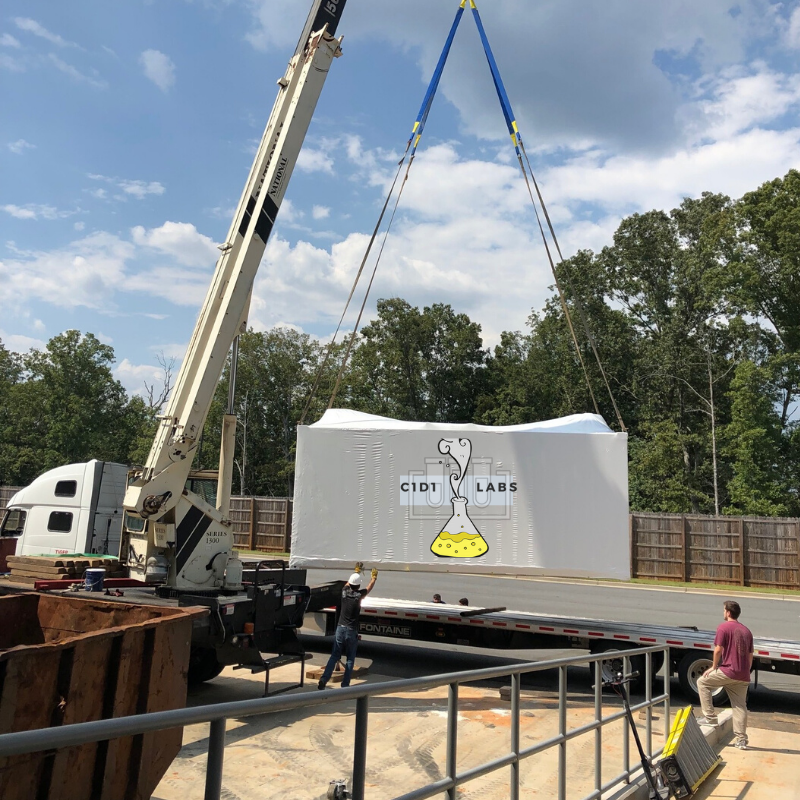
Outdoor processing rooms arrive as self-contained, prefabricated units. These modular containers include all required safety systems, electrical wiring, ventilation, and gas detection built in at the factory. You place the unit on a concrete pad outside your facility and connect utilities.
The biggest advantage of outdoor rooms is speed. Because the unit is factory-built, it bypasses much of the on-site construction timeline. Many operators receive their outdoor room and achieve operational status significantly faster than with a comparable indoor build-out.
Outdoor units also simplify the permitting process. Since the hazardous area sits physically separate from the main building, fire marshals often find the review more straightforward. Separation distance requirements become easier to satisfy. Furthermore, the modular design means the unit has already been engineered to meet code before it arrives on site.
Portability adds another layer of value. If you relocate your operation, the outdoor processing room moves with you. This flexibility protects your capital investment in ways that a permanent indoor build-out cannot match.
On the other hand, outdoor units require adequate exterior space and may need additional weatherproofing considerations depending on your climate. Operators in extreme heat or cold should plan for supplemental climate control to maintain consistent processing conditions.

Cost Comparison: What to Expect
Cost varies based on room size, equipment, and local code requirements. Generally, indoor build-outs carry higher construction labor costs. You pay for demolition, framing, fire-rated drywall, specialized electrical work, and HVAC modifications. These expenses add up quickly, especially in markets with high contractor rates.
Outdoor prefab units typically offer more predictable pricing. The factory-controlled manufacturing process reduces cost overruns and change orders. You receive a fixed quote for a turnkey unit. Utility connections and site preparation represent the main variable costs.
Both options require a fire protection engineer’s report for permitting. C1D1 Labs provides these reports as part of their service, covering solvent load calculations, code compliance verification, and equipment review. This step is essential regardless of which path you choose. The International Code Council maintains the building code standards that local jurisdictions reference during plan review.
Making the Right Choice for Your Lab
Your decision comes down to a few key factors. Consider your available space, timeline, budget, and long-term plans. If you have a suitable building and want everything under one roof, an indoor room makes sense. If you need to get operational quickly or want the flexibility to relocate, an outdoor unit delivers clear advantages.
Many operators start with an outdoor prefab room and later add indoor capacity as they scale. This phased approach keeps initial costs manageable while building revenue. Meanwhile, the outdoor unit continues producing throughout any future indoor construction.
Regardless of your choice, working with an experienced processing lab permitting team saves time and prevents costly mistakes. C1D1 Labs works directly with fire marshals and building departments to create clear permitting pathways for both indoor and outdoor installations.
The right processing room setup positions your operation for compliant, efficient production from the start. Take the time to evaluate both options against your specific situation, and you will build a foundation that supports growth for years to come.