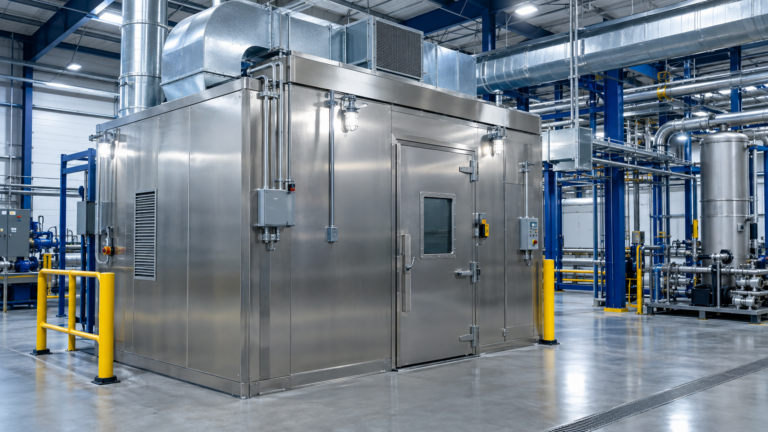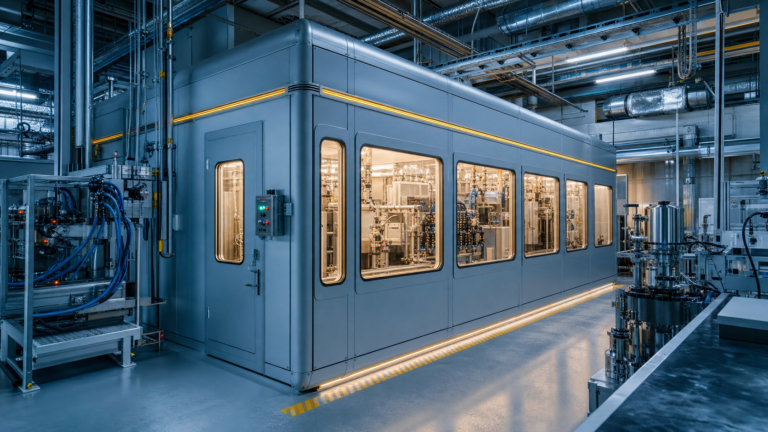
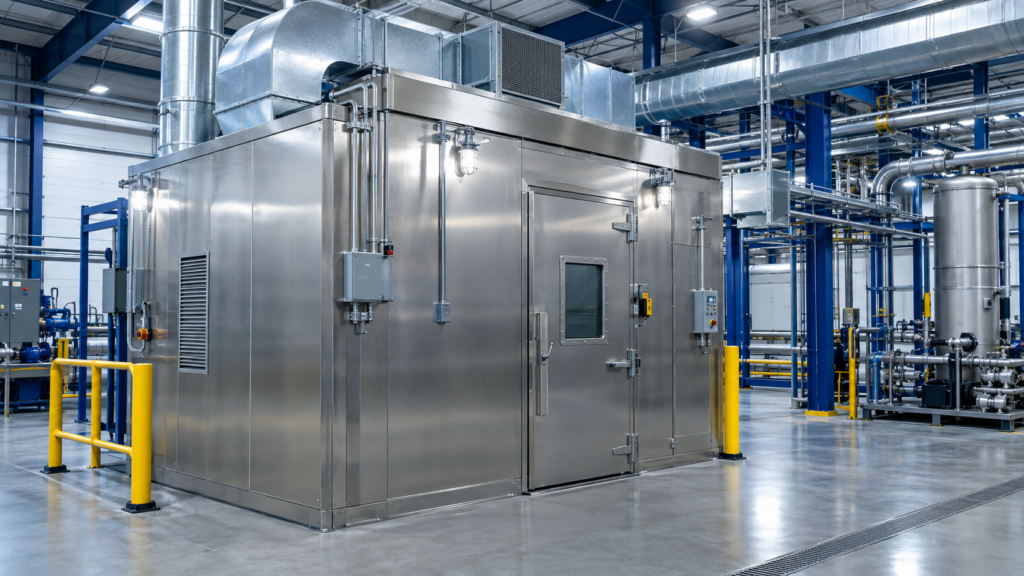
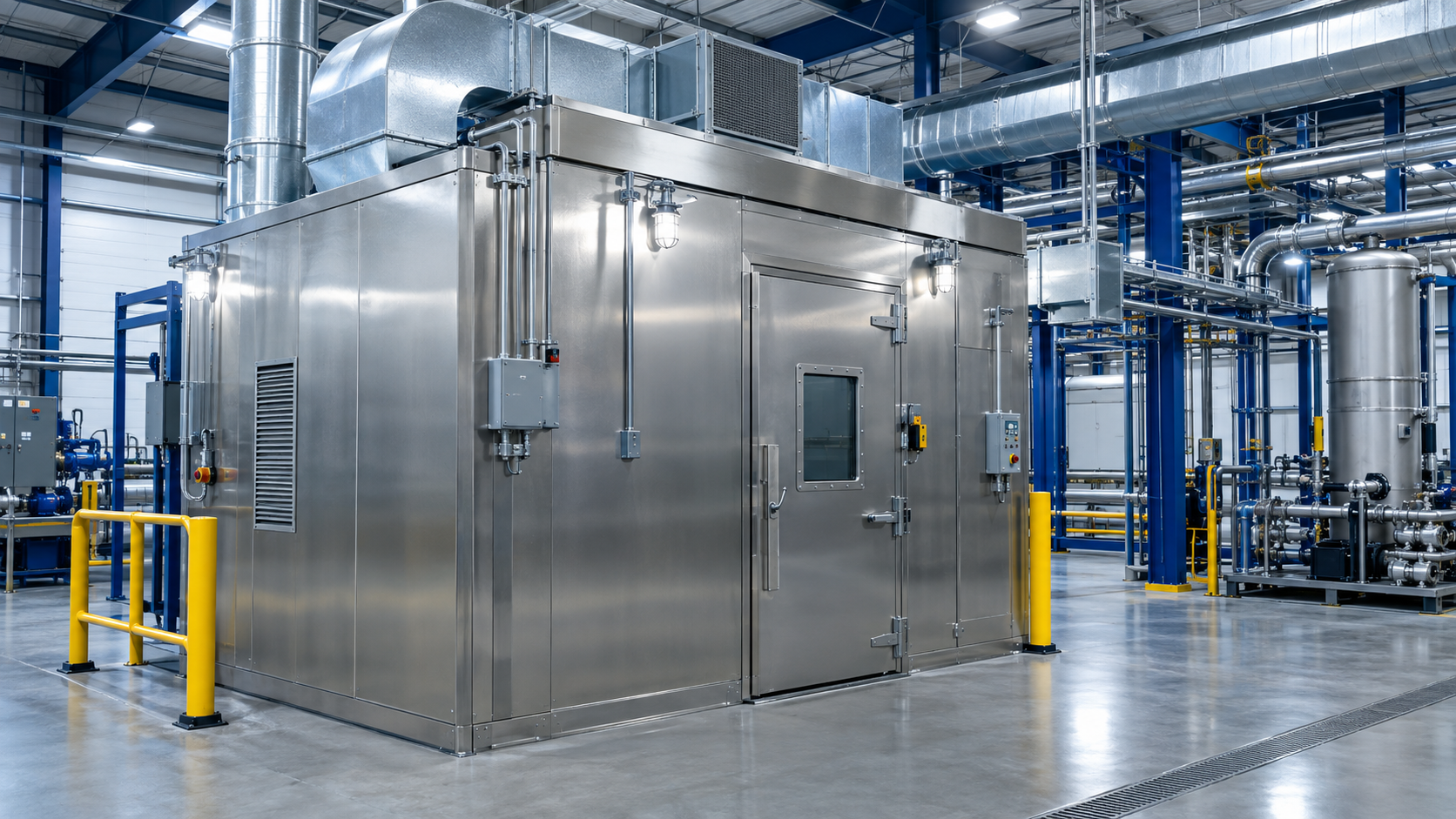
C1D1 booths help industrial processing teams create a defined, engineered work zone where flammable vapors or gases may be present. A purpose-built booth brings containment, ventilation, electrical design, fire protection, and access control into one coordinated enclosure, giving owners a practical way to improve safety and simplify project documentation.
The strongest results come from treating the booth as part of the facility rather than as an isolated piece of equipment. Process engineers, safety leaders, electrical designers, mechanical contractors, and the authority having jurisdiction should align on the hazard assessment, operating conditions, utilities, and emergency response plan before fabrication begins.
Why C1D1 booths fit industrial processing
Industrial processing can involve changing materials, temperatures, pressures, and production rates. Those variables affect where a release could occur and how quickly vapors could move. C1D1 booths create a clearly bounded area for the operation, so the design team can evaluate the process, select compatible equipment, and define inspection and maintenance procedures around a known footprint.
Start with a documented review of the process steps. Identify transfer points, vessels, vents, drains, connections, credible releases, ignition sources, and the locations where vapors could accumulate. Then map the findings onto the booth layout and confirm the area classification with a qualified engineer and local code official. This turns a general safety goal into a design basis that can be checked throughout the project.
How C1D1 booths contain process hazards
Containment is the first layer of protection. Sealed panels, controlled doorways, durable joints, and carefully planned penetrations help keep the operation within its intended boundary. Interior clearances should support inspection, cleaning, and maintenance without forcing operators to bypass safeguards or compromise the enclosure.
Good detailing also makes the booth easier to operate. Select surfaces that can withstand the process environment, provide protected utility routes, and coordinate drains, curbs, and housekeeping requirements with the site plan. Where the process needs monitoring, place sensors and inspection points so operators can verify conditions without unnecessary entry. These choices help C1D1 booths support repeatable procedures as production scales.
Electrical and ventilation design for C1D1 booths
Electrical equipment must match the classified environment and the conditions identified in the hazard review. Motors, lights, switches, instruments, conduit, cable entries, and control panels need suitable protection methods as a complete system. The design should also address bonding, grounding, disconnects, emergency stops, interlocks, and the response to loss of power. OSHA hazardous-location requirements provide a useful reference point while the project team confirms the codes adopted at the site.
Ventilation should be based on material properties and credible release scenarios, not on a one-size-fits-all airflow number. Supply and exhaust locations, airflow direction, makeup air, monitoring, alarms, and backup power all matter. A well-coordinated system limits vapor accumulation, maintains the intended pressure relationship, and provides a defined alarm or shutdown response when airflow falls outside the approved range.
Planning permits around C1D1 booths
Permitting moves more smoothly when the package explains how the booth, building, and process work together. Provide the hazard assessment, equipment schedules, classified-area drawings, ventilation calculations, fire-protection interfaces, electrical details, egress information, and operating assumptions in a coordinated set. Clear boundaries help reviewers understand what is included in the booth and what remains part of the host facility.
Modular fabrication can shorten the field installation window by moving panel assembly, penetrations, ventilation sections, and electrical interfaces into a controlled shop environment. Before delivery, confirm foundation loads, anchorage, lifting points, delivery clearances, utility connection points, drainage, and the responsibilities of the supplier, general contractor, and site trades. For a related layout option, review C1D1 Labs’ industrial processing booth guidance with the project’s hazard assessment and utility plan.
Commissioning C1D1 booths for long-term performance
Commissioning should demonstrate that the booth performs as designed, not simply that the equipment powers on. Verify enclosure integrity, ventilation flow, alarm setpoints, classified electrical installations, grounding and bonding, emergency stops, interlocks, fire-protection interfaces, and egress. Test normal operation and defined abnormal scenarios with the responsible engineering and safety teams present.
Close the project with approved drawings, equipment certifications, inspection results, operating procedures, training records, maintenance intervals, and the final hazard assessment. Revisit the review before changing materials, equipment arrangement, production rate, or ventilation sequence. When designed as a complete system, C1D1 booths give industrial processing facilities a repeatable path to safer operations, clearer compliance records, and future expansion.