The Benefits of C1D1 Closed Loop Processing
Most concentrate producers use a closed loop processing system in a C1D1 Processing Room. In fact, this technology makes obtaining compounds simple and efficient. Moreover, various industries have relied on this system for years to produce essential oils for beauty products, perfumes, and food additives.
Closed-loop processing has become the standard in industries where compounds and essential oils drive product manufacturing. As a result, regulators have established strict standards to ensure every lab operates safely and follows industry best practices. C1D1 Labs specifically created an easy solution for the processing industry. Furthermore, we work closely with your local municipalities to make sure your processing rooms will be easy to permit!
Nowadays, closed loop processing offers a safer way to create concentrates and compounds. Consequently, emerging industries now have a reliable alternative to the riskier methods of “open blasting.”
The biggest benefit of closed-loop processing is the ability to work with flammable or “volatile” solvents inside sealed steel equipment. Specifically, the system has no openings for solvents to escape or leak through. This matters especially when you handle pressurized liquids that become gaseous without pressure.
Fresh frozen machines typically run on Propane, which has higher pressure than Butane. In addition, Propane is a thinner gas. C1D1 C1D1 closed loop systems safely handle all volatile compounds used in processing. Above all, the C1D1 C1D1 processing system delivers two major benefits for compound artists. First, it allows them to reuse chemical solvents, which means less waste and more money saved. Second, the well-sealed system significantly reduces the risk of explosion.

How It Works
A closed loop processing system may seem daunting at first glance. However, professionals set up the entire system, and you only need a basic understanding of pressure maintenance and control valve operation.
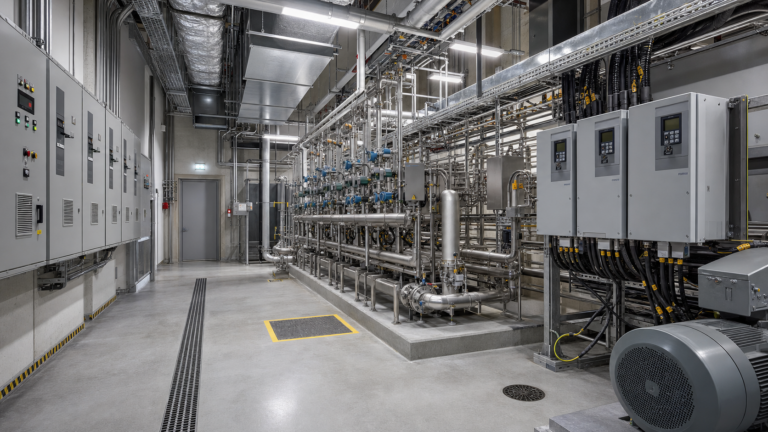
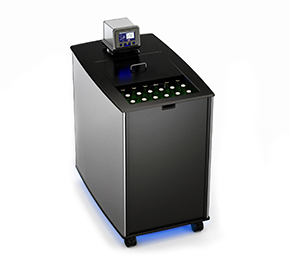
Generally, a C1D1 C1D1 closed loop system includes a large solvent tank and multiple processing columns. This is where the confined “blasting” occurs. The system also features a recovery pump, a cooling system, vacuum pumps, and a collection pot. In addition, a refrigerant scale measures the weight of the recovery tank. For the fastest recovery times in volatile manufacturing, see our PolyScience Chillers!
Depending on the product you wish to make, you may need vacuum ovens and additional vacuum pumps in your C1D1 processing room. These components work together to pull out the solvents. Likewise, this cleansing system ensures your product is properly purged. Therefore, you should always perform this process in a C1D1 processing room.
Top Safety Tips for Making Processings
Never open-blast: This is a wasteful and dangerous process. Instead, always use a closed loop processing system to recover and reuse your solvent.
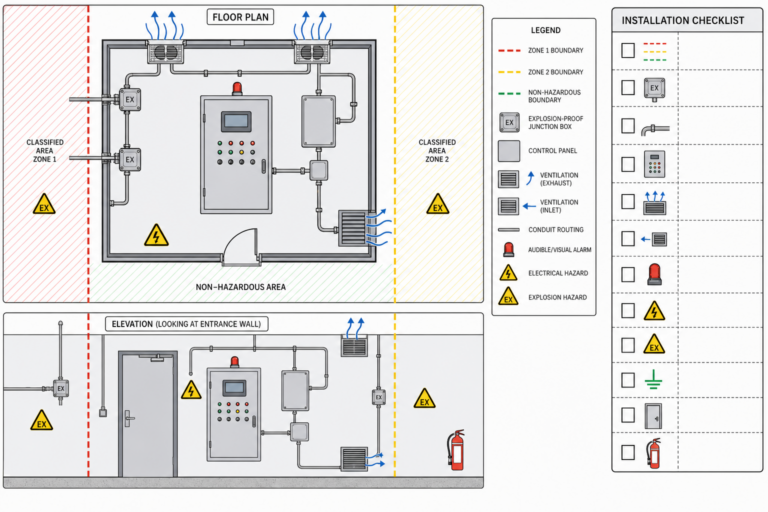
Always have adequate ventilation: Do not compound indoors unless your lab meets state and local laws, including fire codes. Following these regulations creates a safe working environment for you and your employees.
Never smoke: Propane and butane are odorless, invisible gases that are denser than air. They sink to the ground, pool up, and do not dissipate easily. As a result, you cannot determine whether flammable gas still lingers in the area.
Don’t skimp on safety precautions: Remove every ignition source from your processing area. Furthermore, use a butane detector to identify any leaks. Finally, install an explosion-proof fan with static-resistant ducting for additional ventilation.
For more information on C1D1 Processing Rooms, Machines, and Chillers fill out the form below:
[caldera_form id=”CF5afa710c3d5ab”]