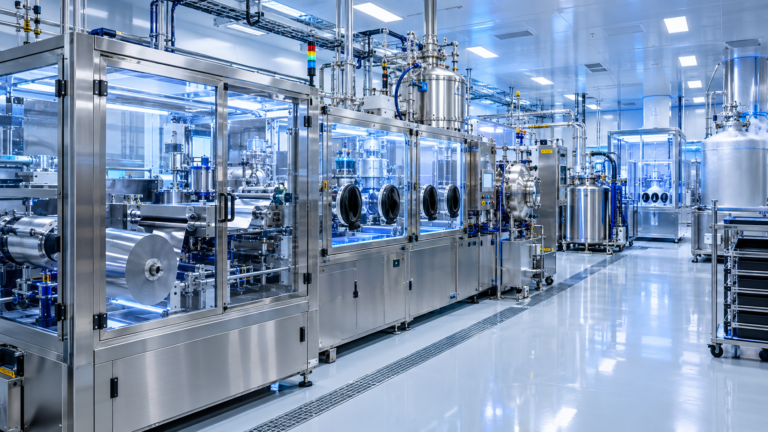
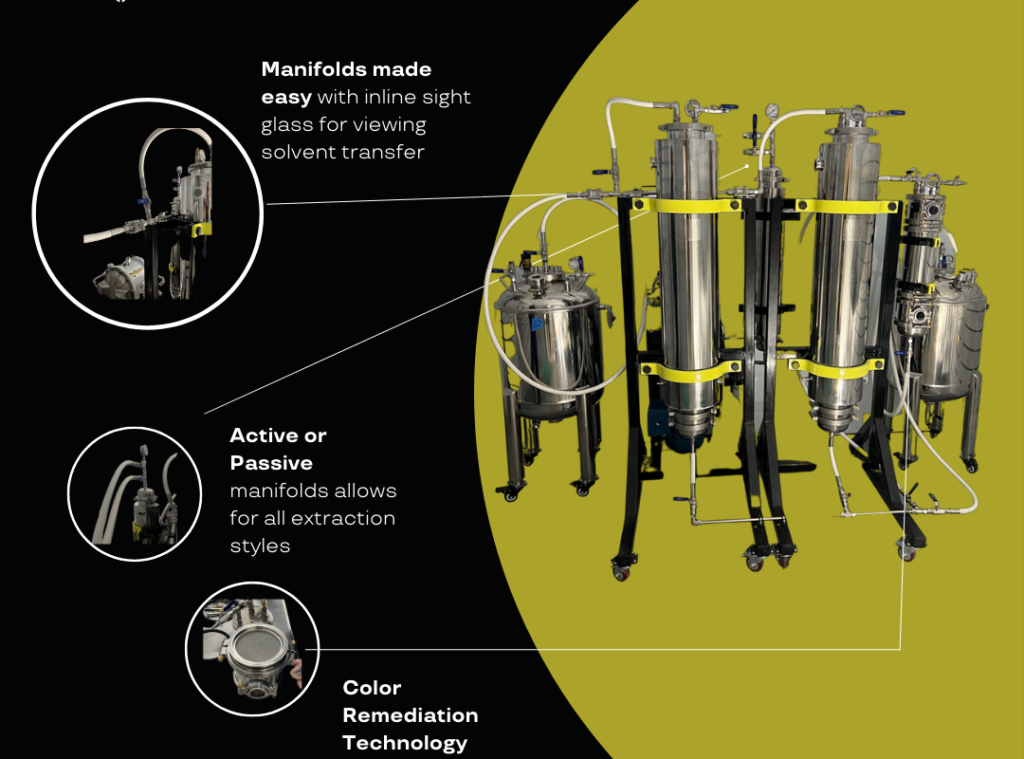
Processing equipment is essential for the efficient processing of many materials. It helps to separate and collect substances from a mixture, such as oil from water. This process helps to refine certain products and make them more pure. However, processing equipment also serves to reduce waste and costs associated with other forms of material separation. Therefore, different types of processing equipment are used in a variety of industries and applications. In solvent processing, different solvents are used for different processes, which create different end products.
Butane Processing Equipment
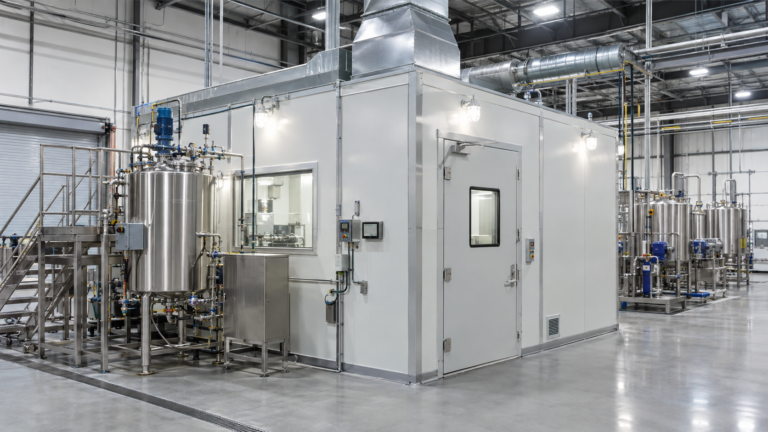
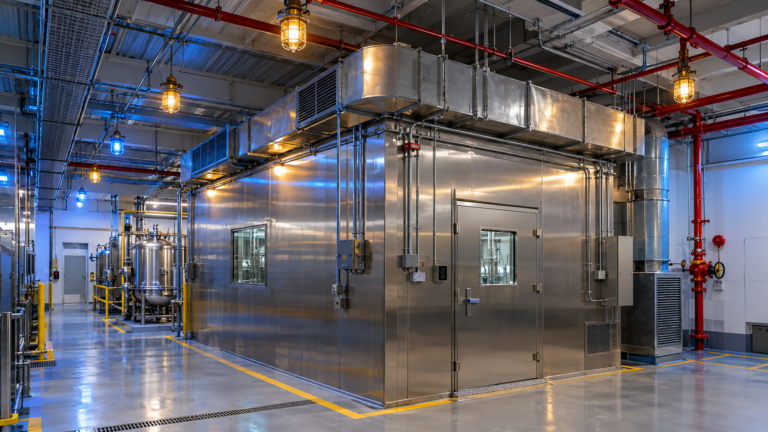
Butane processing equipment is commonly used as it provides a safe. Efficient way to compound oils from processed materials with a smaller initial investment. In addition, the end product with butane processing is often not filtered or distilled. This creates a full spectrum oil that is often higher in quality due to an increased amount of volatile compounds and flavonoids. However, this creates a better smelling and tasting end product like fresh-frozen compounds concentrates. Therefore, butane processing equipment you need to be located inside of a class 1 division 1 processing room. C1D1 labs we designed specifically for Butane processing, providing users with a compliant, contained environment to perform their work safely. Furthermore, this high level of safety is beneficial in both industrial and laboratory settings. C1D1 Labs provides the highest quality processing rooms with digital control panels, optional fire ratings, explosion proof lighting, gas sensors and more.

Ethanol Processing Equipment
Ethanol processing is another type of processing that is becoming increasingly popular due to its cost efficiency. When it comes to high production facilities interested in creating the end product of refined extract. This is common for the processed material industry, or for vaporizer cartridges in a medicinal or commercial facility. Centrifuges are used to wash and dry the biomass in cold ethanol solvent. However, this is the most common ethanol processing equipment used as it allows the user to pull bags of biomass out of the unit without dripping solvent. Therefore, that solution is then filtered with the C1D1 Labs 3 stage filtration skid, and sent through the X-Spiral membrane for solvent recovery. Once filtered, and separated. Furthermore, the oil can go through final solvent recovery stages and decarboxylation while being prepped for distillation. Depending on the quality of oil, and preparation of that oil prior to distillation. The oil may require one or two passes through a short path distillation skid or a wiped film evaporator. Moreover, please feel free to contact us if you are interested to learn more about this process or purchase ethanol processing equipment.

Picking the Right Processing Equipment
Processing equipment is an essential part of success in a laboratory. Is a crucial part of building a business plan around processing. Different types of processing equipment are available to meet unique requirements and needs, and most importantly budget. Allowing users to safely and efficiently compound materials from a variety of biomass. However, by using the right type of processing equipment for their application, users can maximize safety. Efficiency and cost-effect and create a positive ROI business with high quality end products.
C1D1 Labs can provide a complete solution for laboratory development including design, fire protection engineering, permitting, and processing equipment. We have the know-how to guide you through your laboratory project from start to finish, saving you time and money. Whether you need butane processing equipment, ethanol processing equipment or other processing technologies, C1D1 Labs can help! However, contact us today for more information!
We look forward to hearing from you!
Best Regards,
C1D1 Labs Team.