When a facility team begins planning a new process area, the best results come from treating C1D1 booths, hydrocarbon processing equipment, and ethanol processing equipment as one coordinated engineering system. The booth, the room, the utilities, and the life-safety layers all have to work together. If they are designed separately, the project usually pays for it later in permitting delays, redesigns, and avoidable field changes.
The most reliable approach is to build the design around the actual process hazard profile, then document the room so the Authority Having Jurisdiction can review it cleanly. That means ventilation, separation, electrical classification, emergency controls, and fire protection features should be defined early. It also means the project narrative should stay technical and code-focused, with a clear line from the process concept to the final approved layout.
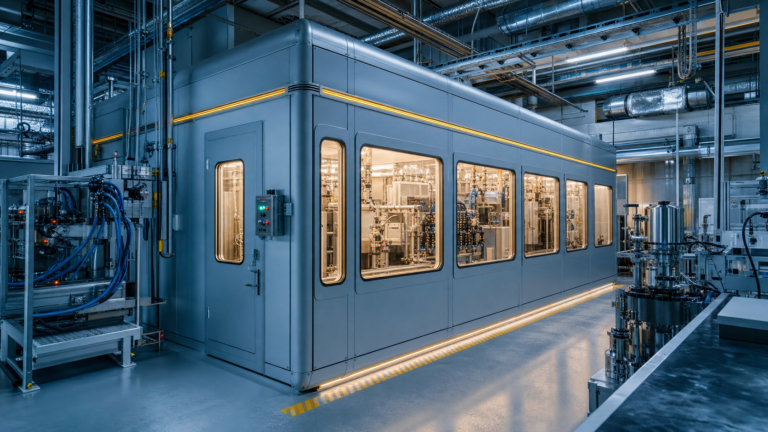
C1D1 booth planning starts with a room concept that connects process layout, safety systems, and code intent.
Start With the Code Basis, Not the Equipment Catalog
Equipment selection matters, but it should come after the code basis is established. The facility team needs to understand the applicable occupancy, hazardous material quantities, ventilation needs, and any required fire-resistance ratings before finalizing the process layout. That is why early reference to the NFPA codes and standards library, the International Fire Code, and the International Building Code is so valuable. These documents frame the project before the first anchor bolt is set.
In practical terms, the code basis determines whether the room is best treated as a dedicated enclosure, whether a modular booth makes more sense, and how the surrounding building needs to be protected. It also influences the documentation package that plan reviewers expect to see. A clean code narrative is often the difference between a project that moves forward and one that cycles through repeated comments.
For a deeper look at how the engineering side supports that process, see our fire protection services for processing labs page.
Hydrocarbon Processing Equipment Needs a Full-System View
Hydrocarbon processing equipment cannot be evaluated as a standalone machine. The room ventilation, gas detection strategy, control interlocks, service clearances, and emergency shutdown sequence all affect the true risk profile. If any one of those layers is weak, the entire installation becomes harder to defend during review.
That is why integrated processing room design is so important. The enclosure has to manage vapor accumulation, provide safe working clearances, and support a maintenance workflow that does not force unsafe shortcuts. Equipment layout should also account for service access, control visibility, and the logical movement of material through the room.

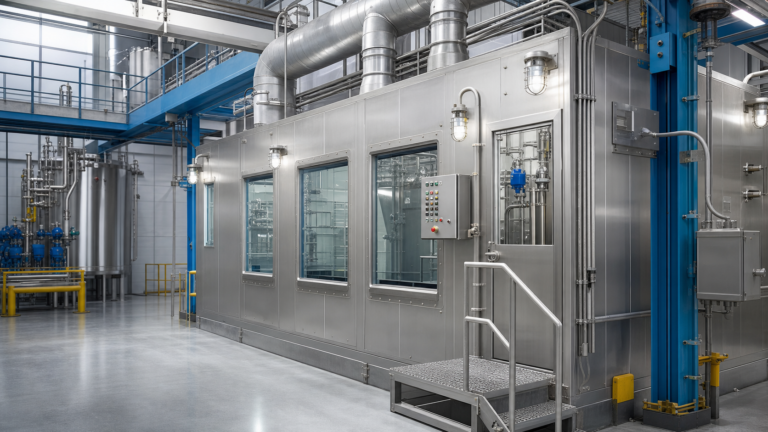
Hydrocarbon processing equipment should be planned as part of the complete enclosure and protection strategy.
Facilities that want a stronger technical record often rely on engineered documentation and peer review. Our fire protection engineering support overview explains how that kind of package helps align process layout with code and review expectations. The better the documentation, the easier it is for the whole project team to work from the same assumptions.
Ethanol Processing Equipment Has Its Own Planning Priorities
Ethanol processing equipment brings a different operational profile, but the planning discipline is the same. Storage, transfer, recovery, and handling areas all need to be evaluated in the context of the room design. The process may look straightforward on paper, yet the supporting systems can quickly become complex once the actual layout is developed.
That is especially true when multiple vessels, tanks, or support units share the same room. The mechanical design has to maintain the intended classification and avoid unwanted vapor migration to adjacent spaces. Electrical design, spill control, and access planning all need to be coordinated early so the installation remains practical after commissioning.
For related guidance on broader classified-space planning, see our hazardous area design strategy page.
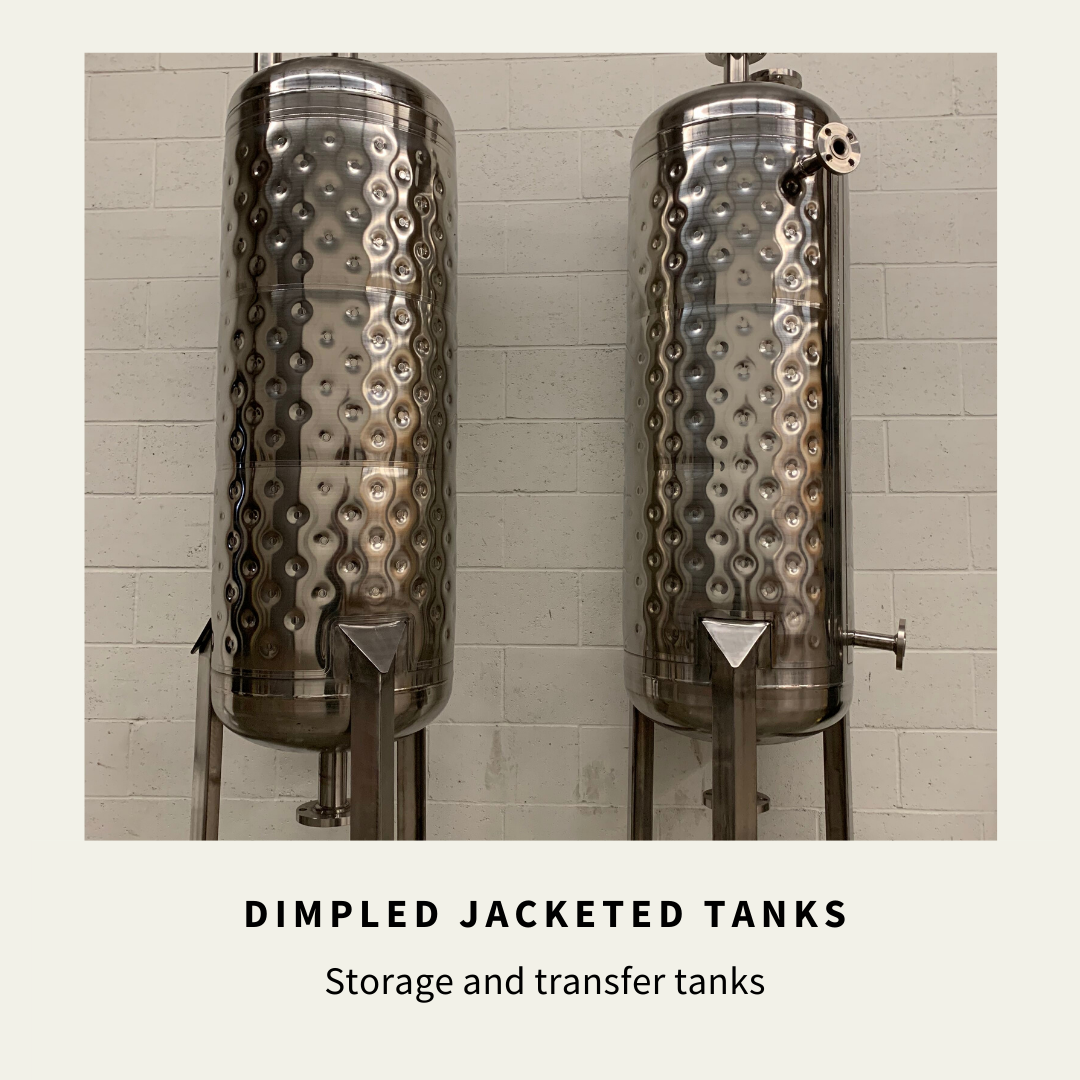
Ethanol process equipment should be planned with storage, ventilation, and separation requirements from day one.
Fire Protection Engineering Is Part of the Layout, Not an Add-On
Fire protection engineering is most effective when it is built into the concept design. The booth geometry, the egress path, the detection points, and the suppression approach all need to be coordinated with the process layout. Waiting until the end usually creates compromises that are expensive to fix and harder to approve.
Technical references such as FM Global are useful because they reinforce loss-prevention thinking beyond minimum compliance. That same mindset helps owners, engineers, and contractors plan for reliability, not just permitting. The strongest projects are the ones where the code package and the operating workflow support each other.
Conclusion
A well-planned C1D1 booth or processing room is not just a container for equipment. It is a code-driven industrial system that ties together fire code, building code, process layout, and engineering controls. When hydrocarbon processing equipment or ethanol processing equipment is designed inside that framework, the result is easier permitting, cleaner installation, and a more defensible long-term facility design.
For owners and project teams, the practical lesson is simple: define the code basis early, document the hazard controls clearly, and keep the room design aligned with the equipment from the start.