Designing an industrial processing facility requires rigorous attention to equipment layout, fire protection engineering, and strict adherence to international building and fire codes. Whether operating hydrocarbon processing equipment or scaling up with industrial ethanol processing processes, establishing a cohesive, compliant processing room layout is vital to mitigating risk, reducing insurance loss ratios, and maintaining peak operational efficiency.
Proper facility planning aligns hazardous material storage constraints, ventilation engineering, and fire protection integration to create a seamless operational environment. This article outlines the essential components of industrial processing room layouts and the importance of professional fire protection engineering in achieving NFPA, IFC, and IBC compliance.
Integrating Hydrocarbon Processing Equipment and Ethanol Equipment
Industrial processing processes rely on sophisticated systems handling volatile solvents. Both hydrocarbon processing equipment and ethanol processing equipment demand meticulously engineered environments to operate safely. The layout of these systems dictates the flow of raw materials, solvents, and personnel, which directly impacts the facility’s classification under the International Building Code (IBC) and International Fire Code (IFC).

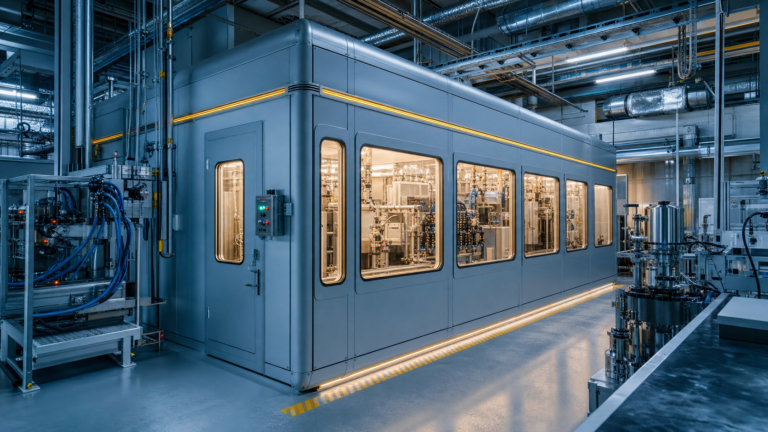
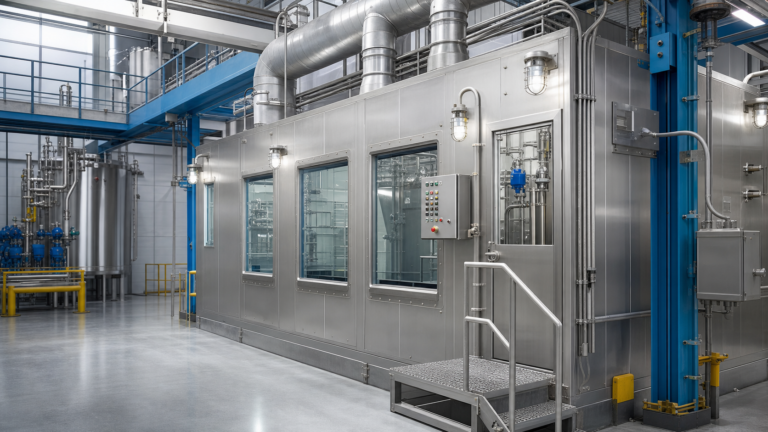
When positioning equipment within C1D1 booths or modular enclosures, engineers must account for adequate clearance for maintenance, emergency egress routes, and the precise location of hazardous exhaust ventilation intakes. Improper spacing can compromise the effectiveness of gas detection systems or obstruct the coverage area of engineered fire suppression systems.
The Role of C1D1 Booths in Hazardous Area Classification
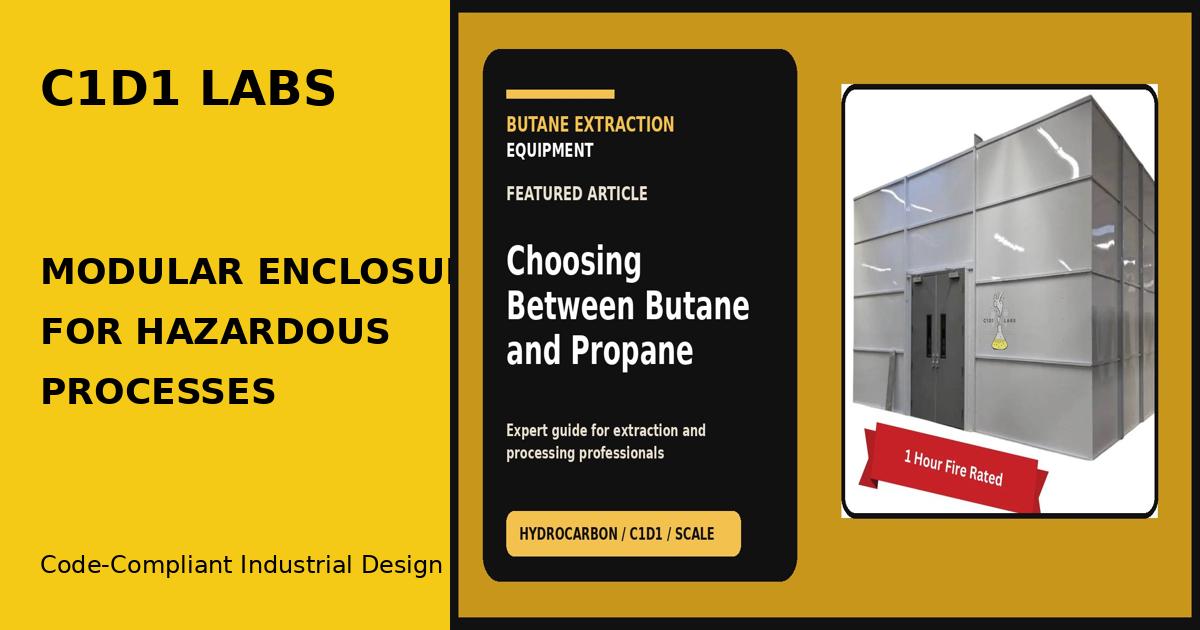
To contain hazards and control the classification of the broader facility, operators utilize C1D1 booths. These dedicated modular environments are specifically designed to safely house processes where ignitable concentrations of flammable gases or vapors may be present continuously or intermittently during normal operations.
By isolating hydrocarbon or ethanol processing operations within C1D1 booths, facilities can strategically limit the extent of the Class I, Division 1 hazardous area. This targeted approach to NFPA 1 and IFC compliance significantly reduces the cost and complexity of electrical installations in adjacent processing areas, allowing for more flexible facility layouts.
Fire Protection Engineering for Processing Facilities
Effective fire protection engineering goes beyond simply installing sprinklers. It involves a comprehensive analysis of the specific hazards present, including the volume and type of solvents utilized, the pressures and temperatures of the processing processes, and the structural characteristics of the facility itself.
A robust fire protection engineering strategy evaluates the interplay between automatic fire suppression systems, early detection alarms, and hazardous exhaust ventilation. By aligning these systems with NFPA 13 (Standard for the Installation of Sprinkler Systems) and the International Building Code, engineers provide a defensible safety framework that insurance underwriters require for highly protected risks.
Ventilation and Exhaust Optimization
Ventilation is a cornerstone of processing room design. Hazardous exhaust systems must be engineered to capture fugitive emissions at the source, preventing the accumulation of flammable vapors. The layout must position capture hoods or low-level exhaust grilles in precise relation to the processing equipment to ensure effective vapor removal.
Furthermore, the makeup air supply must be carefully balanced to prevent negative pressure zones that could draw vapors into non-classified areas. Compliance with mechanical codes, alongside guidelines from FM Global property loss prevention data sheets, ensures the mechanical systems support the broader fire protection goals of the facility.
Conclusion: A Code-Driven Approach
Designing an industrial processing facility is a complex engineering challenge that demands a code-driven approach. By prioritizing the strategic layout of C1D1 booths, hydrocarbon processing equipment, and ethanol processing equipment, and integrating comprehensive fire protection engineering, facility owners can ensure absolute compliance with the IFC, IBC, and NFPA standards.
Partnering with experienced professionals to navigate these intricate codes not only ensures a safer operating environment but also streamlines the permitting process and provides long-term operational resilience.