When transitioning from pilot-scale processing to full commercial production, scaling up fire protection engineering is critical for mitigating hazards in industrial processing environments. The integration of robust safety systems requires deep understanding of NFPA guidelines alongside comprehensive planning within the parameters of the International Building Code (IBC) and International Fire Code (IFC).
Understanding the Importance of C1D1 Booths
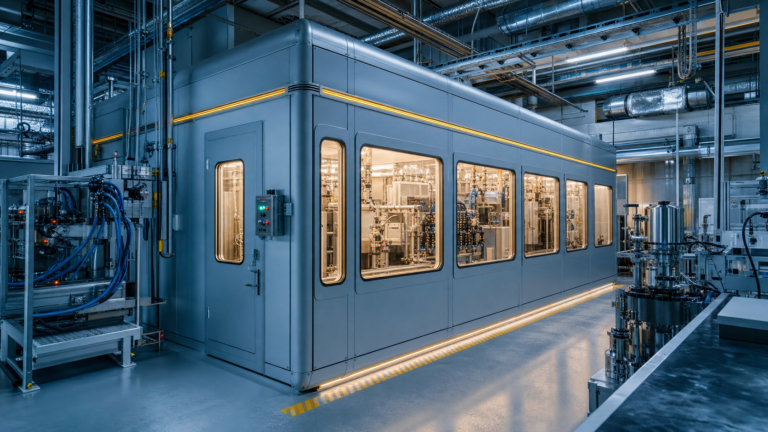
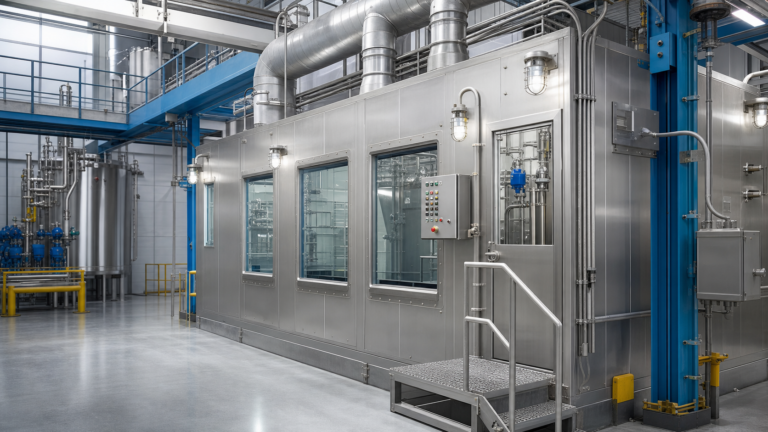
Class I, Division 1 (C1D1) booths form the bedrock of hazard isolation. These enclosures are specifically engineered to safely house volatile processes involving flammable gases and liquids. Proper industrial processing room design must inherently incorporate C1D1 boundaries to ensure that all electrical and mechanical systems are intrinsically safe or explosion-proof. Whether dealing with hydrocarbon processing equipment or scaling up ethanol processing equipment, the booth ensures an isolated zone preventing potential ignition sources from contacting flammable vapor concentrations.
Harmonizing Hydrocarbon and Ethanol Operations
Both hydrocarbon and ethanol operations present unique fire protection challenges. Hydrocarbon setups, often utilizing butane or propane, demand rigorous ventilation schemas and high-level gas detection systems interlocked with emergency shutdown processes. In contrast, large scale operations focusing on alcohol-based processes must address pool fire risks and localized vapor clouds. Utilizing equipment evaluated by organizations such as FM Global aids in guaranteeing that large-scale implementations withstand harsh industrial conditions while maintaining compliance.
Proactive Fire Protection Engineering and Code Compliance
Code-driven facility planning is not an afterthought; it is a foundational pillar. Engaging early with experienced fire protection engineers ensures that your life safety systems, from localized suppression manifolds to facility-wide sprinkler systems, integrate flawlessly with specialized industrial processing room design. By meticulously reviewing IFC chapters concerning hazardous materials and NFPA standards specifically addressing explosion protection and flammable liquids, commercial facilities can navigate complex approval processes confidently.
Scaling commercial labs safely means committing to ongoing system auditing and leveraging fire protection experts to stay ahead of regulatory requirements and process expansions.