In the rapidly evolving landscape of industrial manufacturing and botanical processing, navigating the intricate framework of building and fire codes is critical for operational success. Designing processing facilities requires a multidisciplinary approach, blending process engineering, architectural planning, and robust fire protection strategies. The integration of hydrocarbon processing equipment and ethanol processing equipment within specialized C1D1 booths demands rigorous adherence to recognized engineering standards to mitigate risks effectively.
Code-Driven Facility Planning and Fire Protection Engineering
The foundation of any successful industrial processing room design lies in early and comprehensive code-driven facility planning. Before the first piece of equipment is ordered, engineers must thoroughly analyze the proposed processes against the prevailing local and international codes. This often involves detailed reviews of the International Fire Code (IFC) and the International Building Code (IBC) to establish occupancy classifications, allowable hazardous material quantities, and required fire separations.
Fire protection engineering is not merely an afterthought; it is integrated into the core architecture of the facility. Advanced fire protection services for processing labs ensure that suppression systems, alarm networks, and life safety features are specifically tailored to the unique hazards presented by flammable solvents. Whether dealing with Class I, Division 1 (C1D1) or Class I, Division 2 (C1D2) environments, the fire protection strategy must account for potential solvent releases, vapor accumulation, and ignition sources.

The Role of C1D1 Booths in Hazard Mitigation
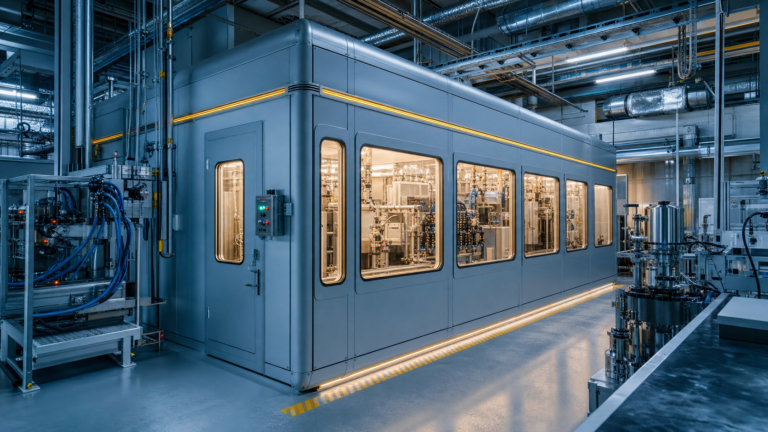
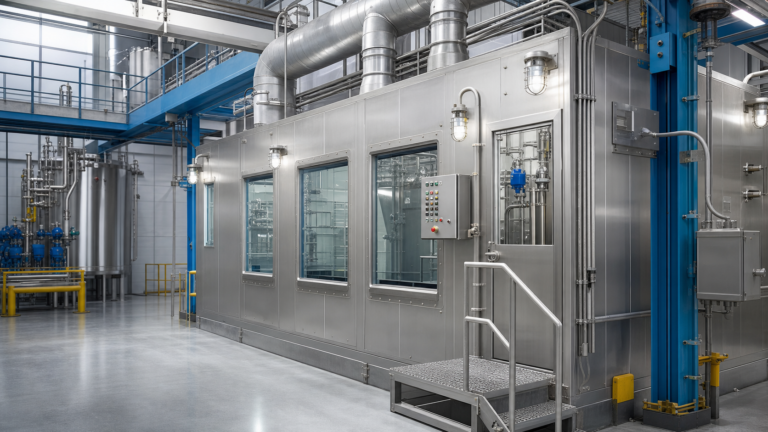
C1D1 booths serve as the primary engineering control for processes utilizing highly flammable solvents. These prefabricated or custom-built enclosures are engineered to contain and dilute hazardous vapors safely, preventing them from migrating into unclassified areas of the facility. The design of these booths is heavily influenced by the NFPA 1: Fire Code, which dictates stringent ventilation requirements, electrical area classifications, and explosion relief mechanisms.
Within a C1D1 booth, continuous mechanical ventilation is paramount. The system must provide sufficient air changes per hour (ACH) to ensure that any fugitive solvent emissions remain well below their lower flammability limit (LFL). Interlocking mechanisms are standard, ensuring that the processing equipment cannot operate unless the ventilation system is functioning at the specified design parameters. Furthermore, all electrical components within the booth—from lighting fixtures to motor starters—must be intrinsically safe or explosion-proof, carrying appropriate third-party listings.
Integrating Hydrocarbon Processing Equipment
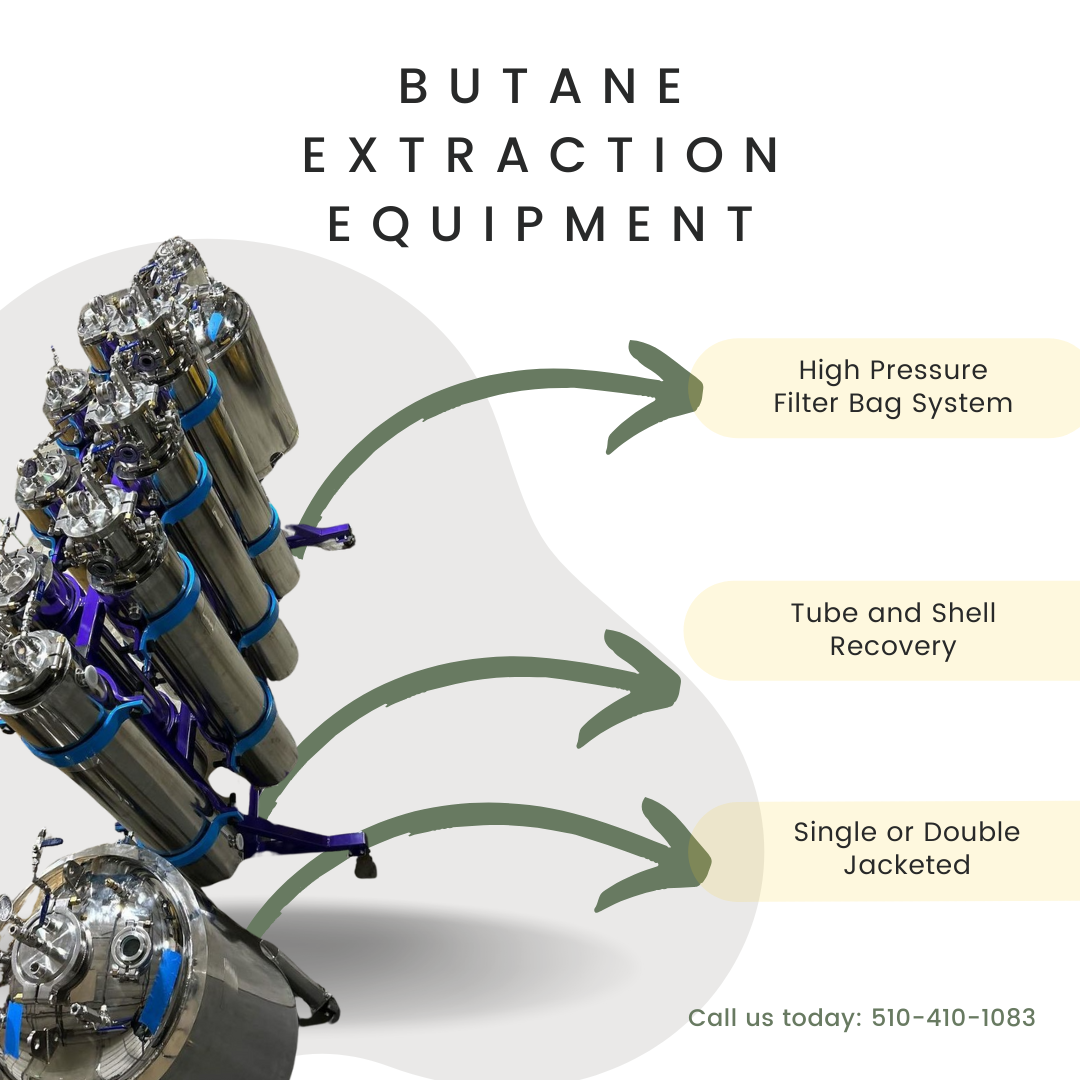
When incorporating butane processing equipment and other hydrocarbon-based systems, the engineering focus shifts toward pressure vessel integrity and closed-loop process containment. Hydrocarbon solvents present significant expansion and pressurization risks when exposed to thermal variances. Consequently, equipment must be designed, fabricated, and tested in accordance with American Society of Mechanical Engineers (ASME) Boiler and Pressure Vessel Code standards.
Engineers must carefully evaluate the entire process flow, from solvent storage and transfer to recovery and final purging. Relief valves must be properly sized and vented to safe locations, preventing dangerous over-pressurization events within the C1D1 environment. Secondary containment and sophisticated gas detection systems add layers of safety, ensuring immediate system shutdown and alarm activation in the event of an unplanned release.
Integrating Ethanol Processing Equipment
While ethanol is typically a liquid at standard temperature and pressure, its low flash point dictates careful handling and specialized equipment design. Ethanol processing equipment frequently operates in Class I, Division 2 environments, though processes involving heated ethanol or extensive agitation may necessitate C1D1 controls depending on the localized hazard analysis.
The integration of ethanol systems requires strict attention to static electricity mitigation. All equipment, piping, and transfer lines must be bonded and grounded to prevent static discharge, which is a common ignition source for ethanol vapors. Additionally, bulk ethanol storage often requires separate control areas or specialized hazardous material storage rooms, compliant with IFC and NFPA standards, featuring spill control, secondary containment, and dedicated fire suppression systems.
The Importance of Processing Engineer Peer Reviews
Navigating the complex intersection of chemical engineering, mechanical design, and fire safety codes can be daunting. To ensure complete compliance and operational safety, utilizing processing engineer peer reviews is a critical step in the facility development process. A licensed Professional Engineer (PE) conducts a comprehensive technical evaluation of the process equipment, standard operating procedures, and the facility’s fire protection integration.
This rigorous review process provides the Authority Having Jurisdiction (AHJ) with the technical justification required to issue building and operational permits. The peer review evaluates material compatibility, structural integrity, pressure ratings, and the efficacy of the proposed safety interlocks. By proactively addressing potential hazards through third-party engineering oversight, facilities can significantly expedite the permitting process and demonstrate a commitment to industry-leading safety standards, aligning with best practices outlined in FM Global Property Loss Prevention Data Sheets for highly protected risks.
Conclusion: A Holistic Approach to Industrial Processing
Designing and operating an industrial processing facility demands a holistic engineering approach. The successful integration of C1D1 booths, hydrocarbon processing equipment, and ethanol systems hinges on an unwavering commitment to code-driven facility planning and fire protection engineering. By prioritizing compliance with recognized standards such as the IFC, IBC, and NFPA, operators can construct highly efficient, safe, and robust processing environments.
Ultimately, the fusion of advanced engineering controls, rigorously tested equipment, and comprehensive peer reviews ensures that processing operations not only meet regulatory requirements but also achieve long-term operational resilience and minimized risk profiles.