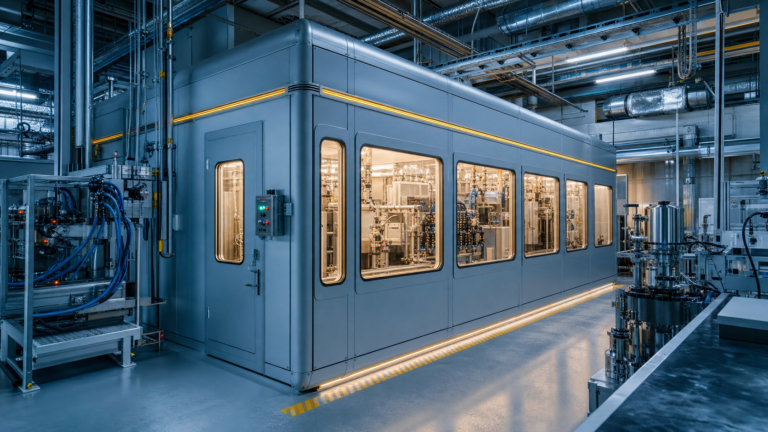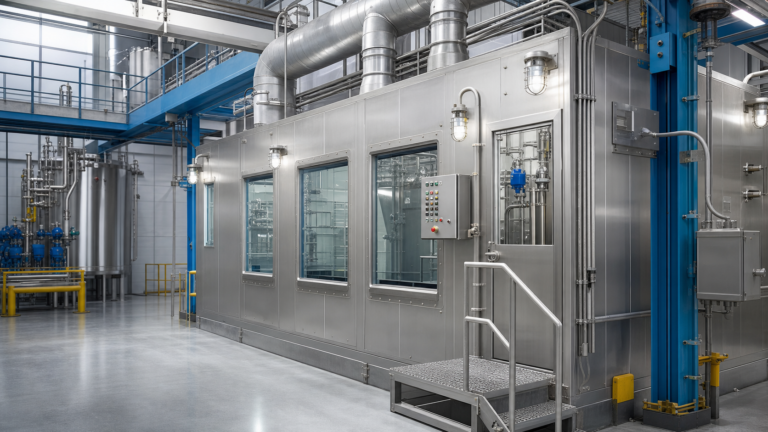
C1D1 booths and processing equipment packages are not commodity industrial assemblies. They combine flammable-process considerations, classified electrical environments, mechanical ventilation demands, fire protection coordination, and building code documentation into one integrated design problem. When hydrocarbon processing equipment or ethanol processing equipment is installed without a code-centered strategy, projects often run into permitting delays, redesign costs, and insurance questions that could have been avoided much earlier.
For facility owners, design professionals, and project managers, the strongest path is to treat the booth and the process equipment as part of a complete engineered system. That means aligning room construction, ventilation, electrical classification, egress, suppression, and process layout with recognized standards. A code-driven approach is especially important when projects involve solvent handling, storage quantities, or production configurations that can materially change the fire and explosion profile of the space.
At C1D1 Labs, this is where integrated planning becomes valuable. A project may begin with a room concept or a process skid, but it only becomes buildable when the full design basis is documented. Our related overview of industrial fire hazard analysis explains why engineered evaluation is so important when high-consequence process hazards are present. That same philosophy applies directly to C1D1 booth design and equipment integration.

Why C1D1 Booth Design Has to Start With the Fire Code Basis
A compliant installation depends on more than the equipment datasheet. The design team needs a clear understanding of the process, the materials involved, the ventilation concept, and the operational arrangement inside the enclosure. These decisions influence the applicable code path, the room features required, and the documentation expected by permitting officials and insurers.
Good projects are grounded in authoritative references such as the NFPA codes and standards library, the International Fire Code, and the International Building Code. These resources support decisions involving control areas, hazardous material quantities, occupancy relationships, rated separation, emergency controls, and other design features that shape the final installation.
When the code basis is defined early, teams can coordinate architecture, MEP systems, and process equipment around a common technical framework. That reduces surprises later in plan review and creates a more defensible project package overall. It also helps vendors and consultants speak the same technical language when changes are needed during engineering, estimating, or procurement.
Hydrocarbon Processing Equipment Requires More Than Product Selection
Hydrocarbon processing equipment is often evaluated first by capacity, throughput, and equipment footprint. Those are important, but they are not enough. The surrounding room environment, ventilation rates, classified electrical strategy, gas detection approach, and emergency controls are just as critical to a successful installation. Even well-built equipment can become difficult to permit when these supporting elements are not addressed as part of the same engineering narrative.
That is one reason equipment integration matters so much. Our overview of fire protection engineering support highlights how engineered documentation helps projects move beyond generic assumptions. Instead of presenting a room and a machine as disconnected components, the project can show how the complete system addresses fire code and building code expectations.

Another practical issue is layout efficiency. Service clearances, access to controls, emergency shutdown placement, and maintenance paths all influence whether a room functions safely and efficiently after installation. These operational details should be worked into the code and engineering review rather than left as afterthoughts. A layout that looks workable on paper can still create pinch points for inspection, maintenance, or emergency response if the enclosure design is not coordinated carefully.
Project teams also benefit when the equipment narrative is clear enough for insurers and reviewers to understand quickly. A concise technical basis describing the process sequence, protection features, and code assumptions can reduce back-and-forth during review and help owners avoid losing time to preventable clarification cycles.
Ethanol Processing Equipment Benefits From Early Coordination
Ethanol processing equipment brings its own design considerations, especially when storage, transfer, chilling, or recovery systems are involved. Tanks, centrifuges, filtration assemblies, and solvent recovery components may all affect the room’s hazard profile depending on arrangement and quantity. If the supporting infrastructure is not coordinated early, projects can run into expensive revisions related to ventilation, room separation, or utility placement.
That is why equipment-specific planning matters. Our page on hazardous area design strategy discusses the broader value of matching electrical and fire protection design to actual process conditions. While the process type differs, the engineering lesson is the same: the hazard profile must drive the protection strategy, not the other way around.
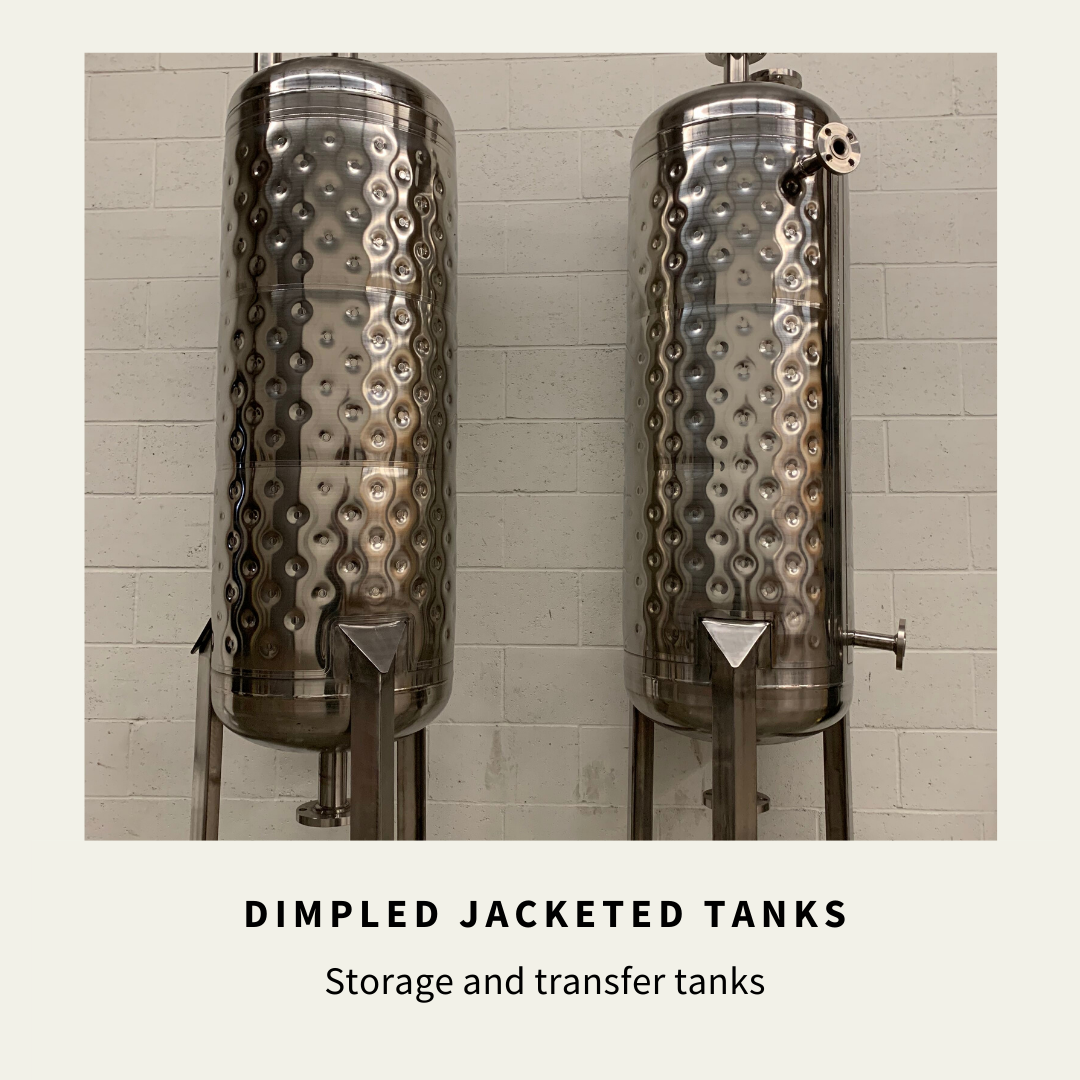
Facilities that coordinate equipment selection with code analysis early are usually in a stronger position during permitting and later expansion. The design basis is clearer, the review process is cleaner, and the final installation is easier to defend technically. This becomes even more important when operators expect future scale-up, because today’s equipment arrangement often becomes the baseline for tomorrow’s permitting assumptions.
Why Owners and Insurers Value PE-Led Documentation
From an owner perspective, PE-led documentation helps reduce redesign cycles and creates clearer direction for vendors, contractors, and reviewing authorities. From an insurer perspective, it provides a more disciplined picture of how hazards are identified and controlled. That can improve confidence in the facility’s protection features and reduce uncertainty around major loss scenarios.
In practice, the biggest advantage is clarity. A code-based engineering package explains how the booth, the equipment, and the building systems work together. That clarity helps everyone involved make faster and better decisions. It also creates a stronger record for future modifications, renewals, or equipment upgrades, since the original design intent is easier to trace.
For companies planning new C1D1 booth installations or upgrading hydrocarbon processing equipment and ethanol processing equipment, the best results usually come from early engineering coordination. When fire code, building code, and process design are aligned from the beginning, the finished project is more efficient to permit, easier to operate, and stronger from a risk management standpoint.