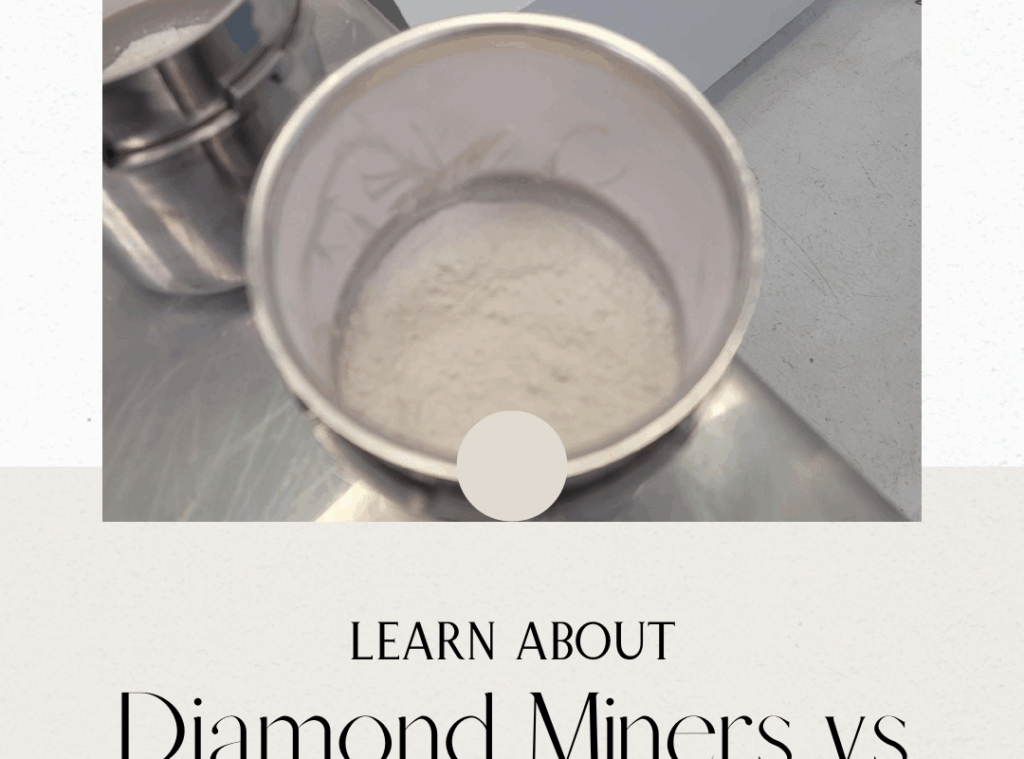
Current SOPs
Crystallizing isolated compounds from botanical compound is a highly controlled process that influences product quality, yield, and appearance. Two primary techniques dominate the market: slow crystallization in a diamond miner and fast crashing with solvent-solvent isolation. Each method offers its own benefits and challenges. Here’s a breakdown to help you decide which is best for your operation.
Slow Crystallization in a Diamond Miner
Overview
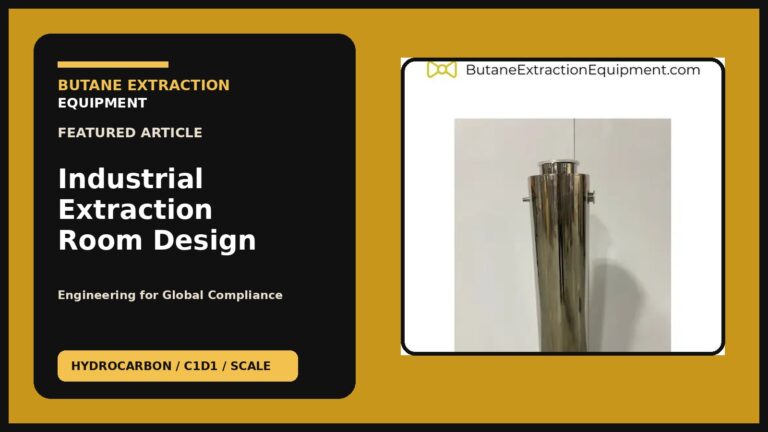
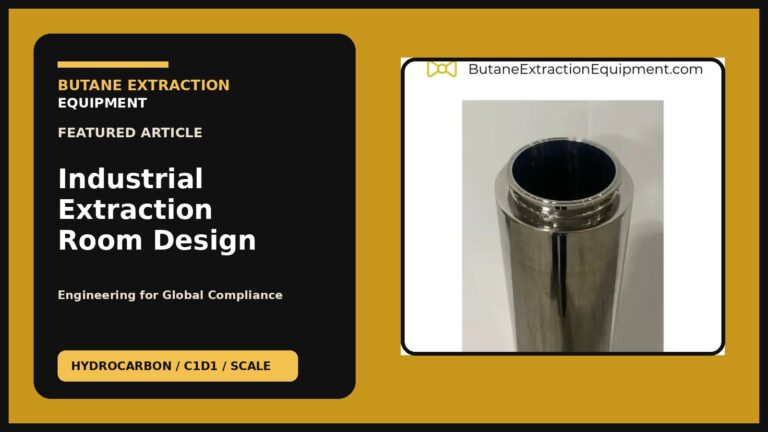
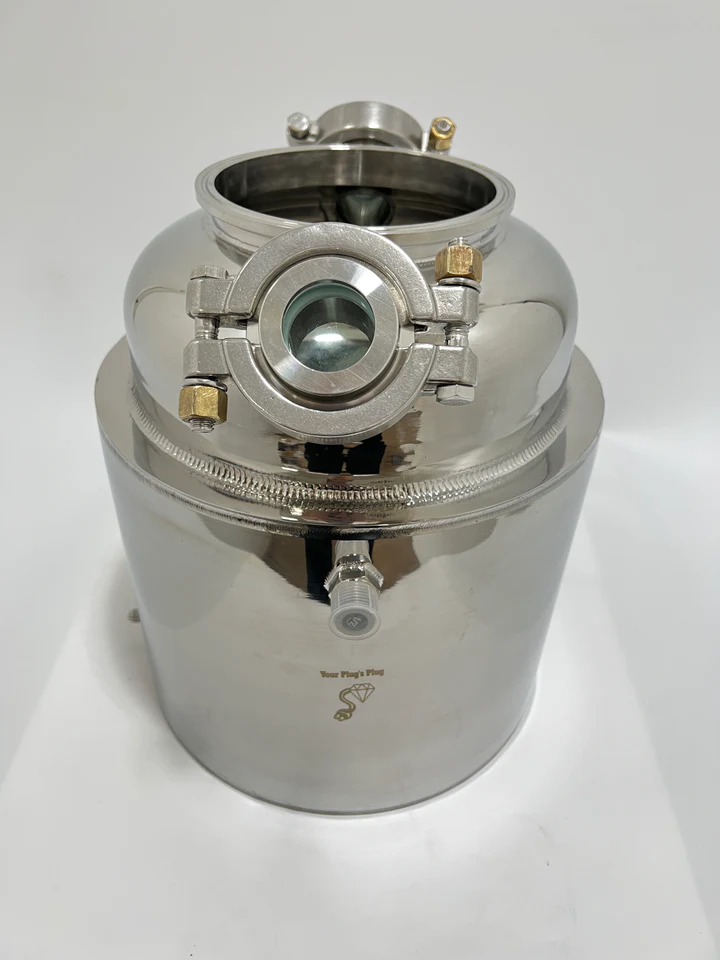
This traditional method uses a sealed pressure vessel (often called a “diamond miner”) to allow target compounds—especially isolated compounds—to slowly crystallize from a supersaturated solution over days or weeks.
Pros
- High-Quality Crystals: Slow crystallization allows for the formation of large, well-defined isolated compounds diamonds with excellent visual appeal.
- Minimal Solvent Use: Usually performed with the same hydrocarbon solvent used in processing (e.g., butane or propane), reducing the need for additional chemicals.
- Simple Setup: Requires minimal equipment outside of the pressure vessel and temperature control.
Cons
- Time-Consuming: Crystallization may take several days to weeks, slowing production cycles.
- Pressure Management Required: The vessel must safely handle built-up internal pressures from solvent vapor, requiring attention to safety protocols.
- Lower Throughput: Space and time limitations can reduce overall processing capacity.
- Less Control Over Purity: While pure, the process lacks fine-tuned chemical separation available in fast crashing.
Fast Crashing with Cold Solvent Isolation Systems
Overview
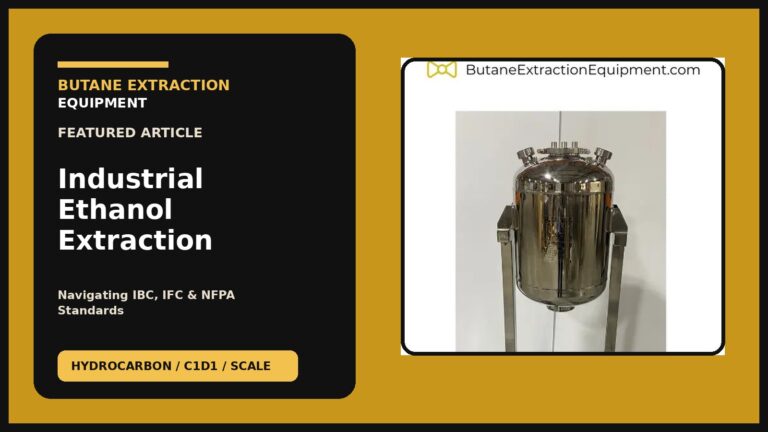
This method involves mixing a saturated target compound solution and chilling the system. Which quickly reduces solubility and causes the target compound—typically isolated compounds—to “crash out” of solution rapidly.
Pros
- Faster Turnaround: Crystals form in hours or days rather than weeks.
- High Throughput: Multiple isolation batches can be run per day, scaling up production.
- Greater Purity Control: Allows for selective isolation by controlling polarity, temperature, and saturation ratios.
Cons
- Upfront cost – This requires a certified system and some way of chilling the system.
- Larger post processing should be considered with a scale of produce development
Conclusion
| Feature | Diamond Miner (Slow) | Solvent-Solvent Isolation (Fast) |
|---|---|---|
| Crystal Size | Large, gem-like | Small, powdery |
| Timeframe | Days to weeks | Hours |
| Safety | High pressure risk, alternate usage of pentane | Lower pressure, system should be engineer peer reviewed |
| Throughput | Lower | Higher |
| Solvent Use | Minimal | Higher |
| Purity Control | Moderate | High |
| Visual Appeal | Higher | Moderate to low |
Choosing between these two methods depends on your production goals. For top-shelf products and brand appeal, the slow method wins on aesthetics. For large-scale, high-speed operations, isolation systems delivers speed and volume with more precise purity control.
Please email us at [email protected] OR give us a call 510-410-1083 to ask any questions you may have about scaling your lab from diamond miners to large scale isolation.