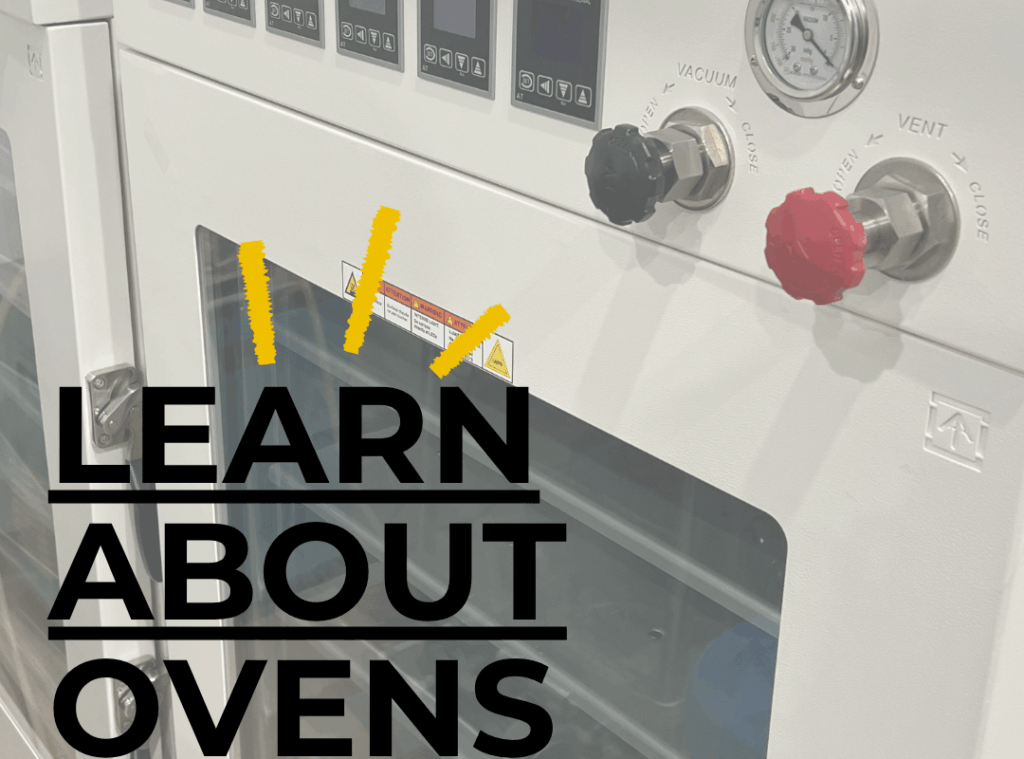
In the solvent processing industry, vacuum ovens play a crucial role in the final stages of product refinement. These specialized ovens are designed to r.emove residual solvents and moisture from concentrates such as hydrocarbon concentrates, shatter, crumble, and wax—ensuring clean, potent, and high-quality products that meet compliance standards.
If you’re operating a solvent processing lab, understanding the purpose, benefits, and proper usage of a vacuum oven is key to optimizing your post-processing workflow.
What is a Vacuum Oven?
A vacuum oven is a sealed chamber that applies heat and a vacuum to evaporate solvents at lower temperatures than traditional ovens. By reducing atmospheric pressure inside the chamber, it allows for gentle drying without degrading heat-sensitive compounds like target compounds and volatile aromatic compounds.
This is particularly important in solvent processing, where preserving the therapeutic value and flavor profile of the final product is paramount.
Why Are Vacuum Ovens Used in Solvent Processing?
During hydrocarbon or ethanol processing, residual solvents remain trapped in the concentrate. These solvents must be purged to meet safety and legal requirements. Here’s why vacuum ovens are the gold standard:
1. Efficient Solvent Purging
By lowering the boiling point of solvents like butane, propane, or ethanol, vacuum ovens allow for complete purging at safe temperatures (typically 85–110°F). This prevents degradation of target compounds and volatile compounds while ensuring clean, compliant concentrates.
2. Preserving Product Quality
Target compounds and volatile compounds are volatile and easily damaged by high heat. A vacuum oven prevents oxidation and aromatic compound loss, resulting in better profile and overall quality.
3. Batch Consistency
Modern vacuum ovens offer digital controls, programmable cycles, and uniform heat distribution—giving processors the ability to standardize operations and maintain consistent product quality.
4. Compliance with Safety Standards
Processing products must be tested for residual solvents. Vacuum ovens help meet or exceed state testing requirements, which is critical for passing third-party lab testing.
Common Applications in Processing
Vacuum ovens are used across several concentrate formats:
- Shatter: Glassy and translucent compounds that require delicate heat and vacuum control.
- Wax/Crumble: Softer textures that need prolonged low-temp drying.
- fresh-frozen compounds: A high-aromatic compound that benefits from gentle post-processing.
- isolated compounds Diamonds: In some cases, low vacuum heat aids in recrystallization and purging of solvents used in the diamond miner.
Features to Look For in a Processing Vacuum Oven
When selecting a vacuum oven for your processing lab, consider the following features:
- High-Quality Vacuum Pump Compatibility – Ensure the oven works with oil-free or rotary vane vacuum pumps for deep, consistent vacuum levels.
- Accurate Temperature Control – PID digital controllers are essential for holding precise temperatures.
- Stainless Steel Interior – Easy to clean and more durable for daily lab use.
- Multiple Shelves – Allows for high-volume batch processing.
- UL/CSA/ETL Certification – Meets safety codes and helps with permitting your processing facility.
Vacuum Ovens vs. Other Drying Methods
An alternative equipment used for purging is a Spin Tech centrifuge. Like an oven, the spin tech centrifuge has a vacuum pump that creates a vacuum in the system. The centrifuge however is created to allow agitation and shear force to drive the solvents out of the wax in minutes vs hours or days. If you haven’t seen one of these centrifuges, check it out by clicking this link.
Conclusion
A vacuum oven is an indispensable tool in any professional solvent processing lab. Whether you’re producing shatter, wax, or fresh-frozen compounds, a reliable vacuum oven ensures efficient solvent removal, product safety, and unmatched quality.
As the processing industry continues to grow and regulations become stricter, investing in the right vacuum oven technology not only streamlines your operations but helps build trust in your brand.
Looking to outfit your lab with industry-grade vacuum ovens? Contact us today to learn more about our compliant, lab-tested processing equipment.