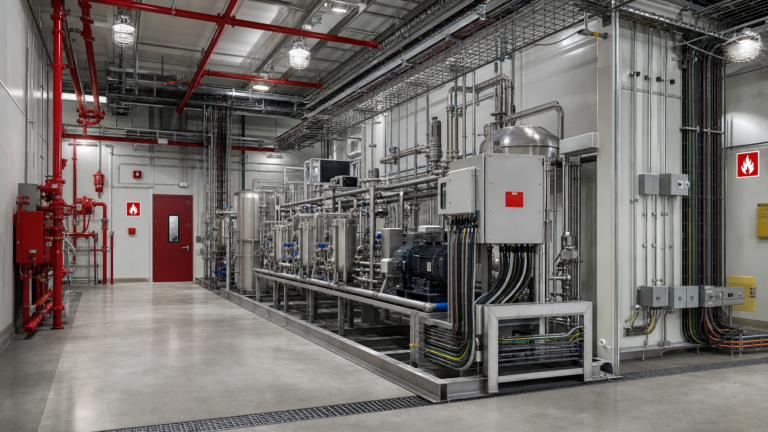

Why Fire Detection Engineering Matters for Insurance Risk Managers
Total loss claims remain one of the most devastating line items on any property insurance portfolio. In many cases, the difference between a contained incident and a total loss comes down to one factor: how quickly the fire was detected. For insurance risk managers and underwriters, understanding fire alarm and detection system design is not optional. It is a core underwriting variable that directly impacts loss ratios and claim severity.
According to the National Fire Protection Association (NFPA), properties with working detection systems experience significantly lower fire death rates and reduced property damage per incident. For insurers, that translates into fewer total loss payouts and more predictable risk profiles.

Detection Speed Drives Claim Outcomes
Every second counts in a fire event. A properly engineered detection system activates suppression, alerts occupants, and notifies emergency responders within moments of ignition. In contrast, facilities with outdated or poorly designed detection systems often experience delayed response times. That delay is where small fires become total losses.
Consider the underwriting implications. A facility with addressable detection, integrated monitoring, and PE-stamped system design presents a fundamentally different risk profile than one relying on basic residential-grade smoke detectors. Loss control specialists who evaluate these differences can recommend premium adjustments that reflect actual risk rather than assumptions.
Moreover, the Society of Fire Protection Engineers (SFPE) publishes detailed performance criteria for detection system design. These engineering standards provide the technical foundation that underwriters need to differentiate between adequate and exceptional fire protection.
Key Detection Technologies That Reduce Claim Exposure
Not all detection systems deliver the same risk reduction. Insurance professionals should understand the technologies that make the biggest difference in claim outcomes:
Addressable fire alarm systems pinpoint the exact location of activation. This precision speeds response times and reduces false alarm rates. For insurers, fewer false alarms mean lower service costs and better emergency response when real events occur.
Aspirating smoke detection (ASD) pulls air samples continuously through a network of pipes. These systems detect smoke particles at extremely low concentrations, often minutes before conventional detectors activate. In high-value facilities, ASD systems can mean the difference between a minor incident report and a seven-figure claim.
Multi-criteria detectors combine smoke, heat, and carbon monoxide sensing. They reduce nuisance alarms while maintaining high sensitivity to actual fire conditions. From an underwriting perspective, multi-criteria detection demonstrates a facility owner’s commitment to engineered safety rather than minimum-code compliance.
Additionally, flame detection systems using infrared or ultraviolet sensors provide near-instantaneous response in industrial environments. The FM Global Data Sheets outline specific detection requirements for various industrial occupancies. These data sheets serve as valuable references for loss control engineers evaluating facility risk.
How PE-Stamped Detection Design Improves Underwriting Confidence
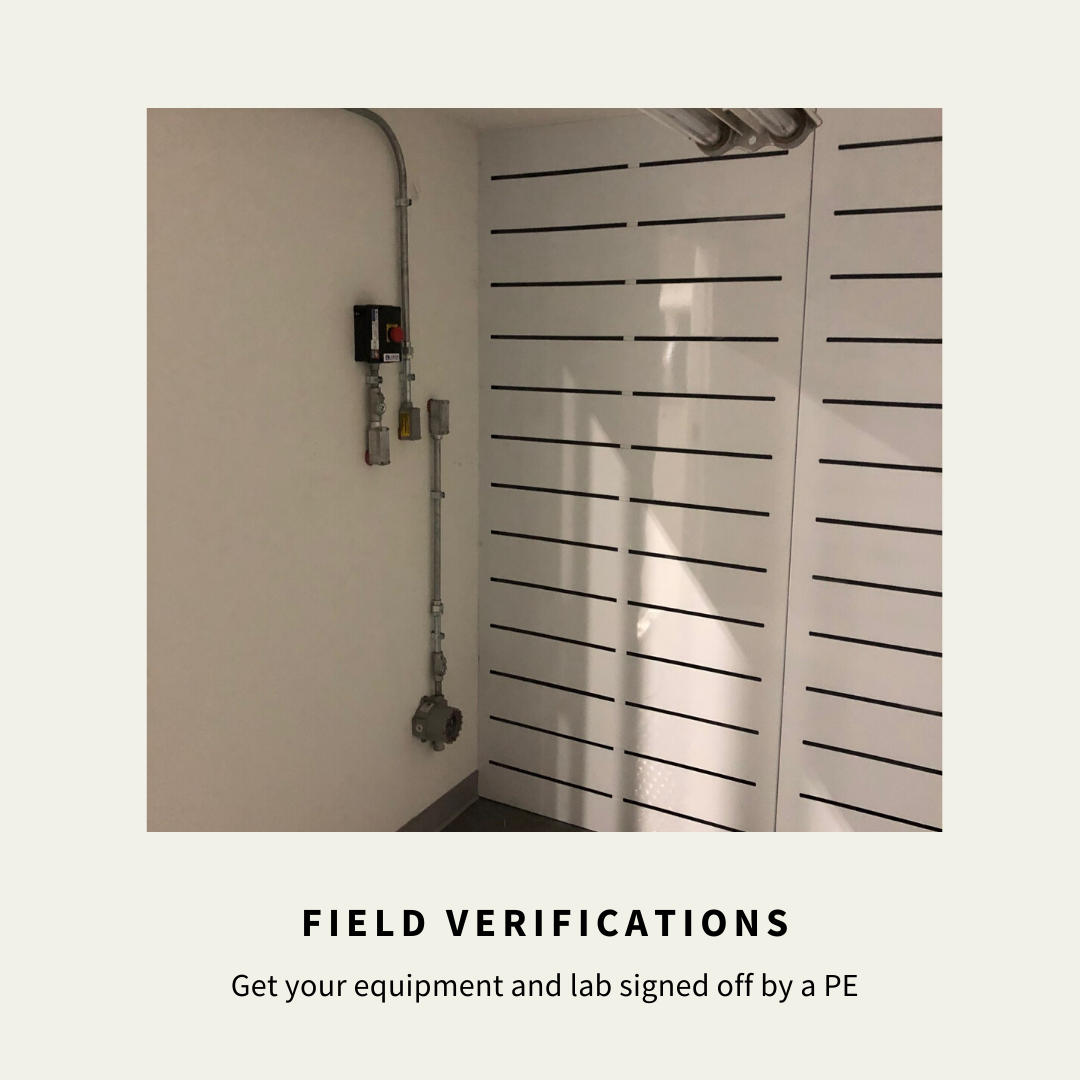
A fire detection system designed by a licensed Professional Engineer (PE) carries measurable weight in the underwriting process. PE-stamped designs confirm that the system meets NFPA 72 requirements, accounts for the specific hazards present in the facility, and integrates properly with suppression and notification systems.
For underwriters, a PE-stamped detection report answers critical questions. Does the detection coverage match the occupancy hazard classification? Are notification appliances positioned to ensure timely evacuation? Is the system monitored by a listed central station? These details directly affect claim probability and severity projections.
C1D1 Labs provides PE-stamped fire protection engineering assessments that give insurance professionals the technical documentation they need. With over 50 facility assessments across 13+ states, their licensed fire protection engineers deliver reports that translate complex detection system performance into actionable underwriting data.
Integrating Detection Data Into Loss Control Programs
Forward-thinking insurance companies are building detection system quality into their loss control workflows. Rather than treating fire alarms as a checkbox item, they evaluate system design, maintenance records, and engineering documentation as part of comprehensive property risk profiles.
This approach pays off. Properties with engineered hazard analysis and properly designed detection systems consistently show lower claim frequency. When claims do occur, the severity is reduced because early detection limited fire spread before suppression and emergency response engaged.
Loss control specialists can also leverage detection system assessments during renewal evaluations. A facility that has invested in PE-engineered detection upgrades demonstrates proactive risk management. That investment justifies favorable renewal terms and strengthens the insurer-insured relationship.
Take Action: Strengthen Your Portfolio With Detection Engineering Data
Fire detection system quality is one of the most controllable variables in property insurance risk. As a risk manager or underwriter, you have the ability to require PE-stamped detection assessments as part of your loss control process. The result is better data, lower loss ratios, and fewer surprise total loss claims.
Request a fire risk assessment from C1D1 Labs today. Their licensed PE fire protection engineers will evaluate detection system design, identify coverage gaps, and deliver documentation that strengthens your underwriting decisions. Call (510) 410-1083 to get started.