When it comes to solvent processing safety, the National Fire Protection Association (NFPA) and C1D1 Labs are a recognized leaders in providing standards and regulations that protect manufacturers. The NFPA 70 “National Electrical Code” outlines specific requirements for processing that can help ensure fire safety in botanical material processing rooms. In this blog post, we will discuss the benefits of Class 1 Division 1 processing rooms. As well as define what a Class 1 Division 1 room is according to NFPA 70. In addition to NFPA 1 chapter 38 and the requirements for a C1D1 Lab.
What is a Class 1 Division 1 Room?
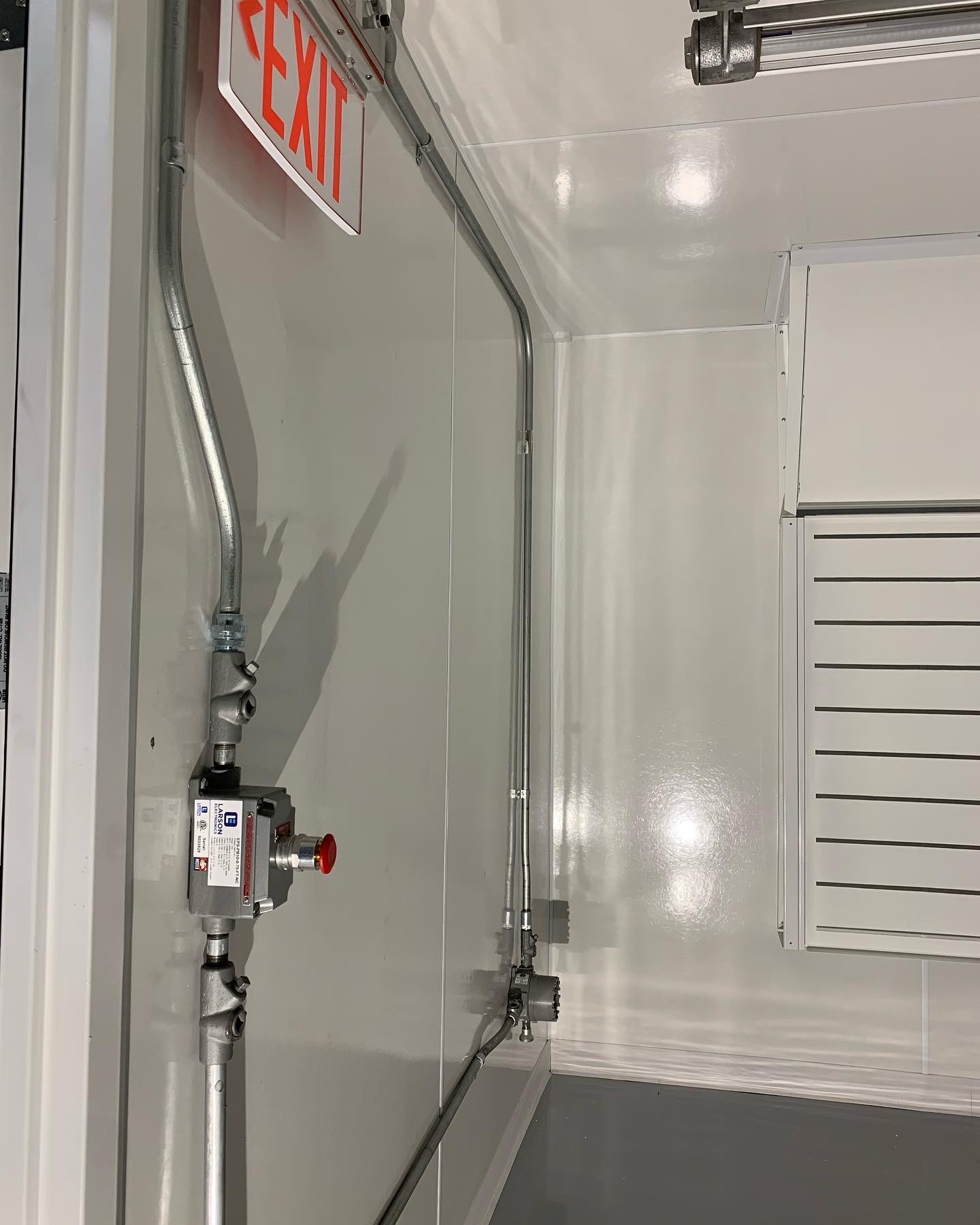
A Class I Division I room is defined by NFPA 70 as an area where flammable gases or vapors are present continuously. Intermittently, or periodically under normal operating conditions. These rooms are also known as Hazardous Locations. Must be designed with appropriate equipment to minimize the risk of ignition from electrical sparks and other sources. NFPA 1 Chapter 38 defines additional requirements for these types of rooms in order to ensure their safety when used for solvent processing.

Benefits of Using Class 1 Division 1 Rooms
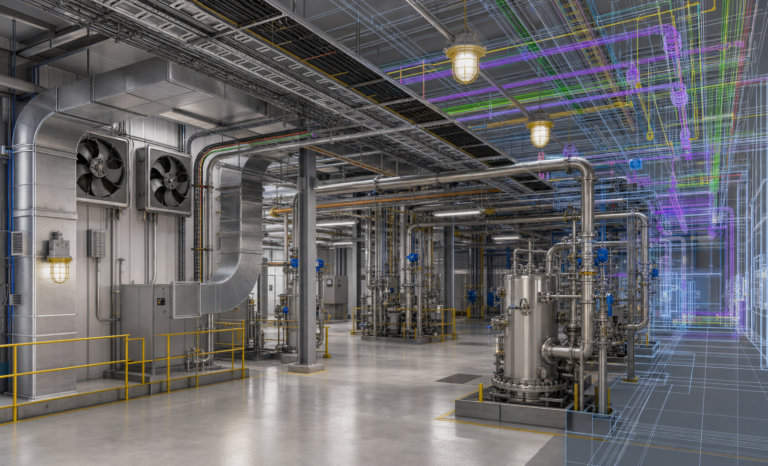
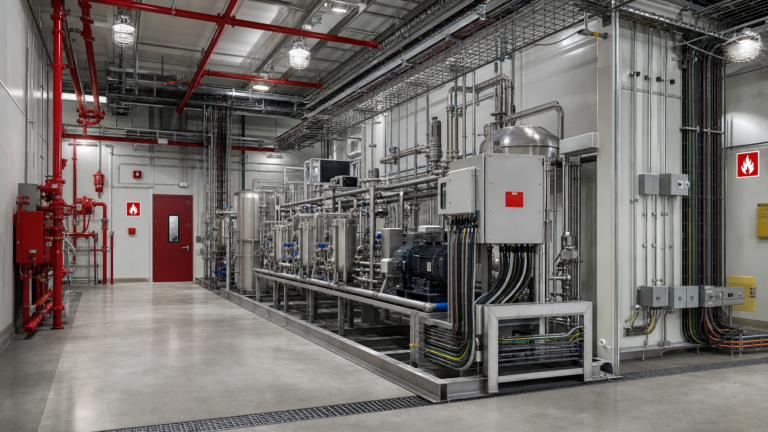
Class 1 Division 1 rooms offer several advantages over other types of processing labs when performing solvent processings. For example, they provide an added layer of security due to their ability to contain flammable gases. Vapors that could potentially ignite during the processing process. Additionally, these rooms are required to be equipped with special ventilation systems that keep air moving throughout the room. While still preventing any potential gas or vapor buildup within the room itself. However, this helps reduce the risk of accidental fires or explosions due to a build-up of combustible fumes. Finally, adding additional layers of protection such as fire suppression systems can further increase safety in these areas and increase maximum amount of quantities of solvents.


NFPA 70 and the Benefits of Class 1 Division 1 Processing Rooms for Solvent Processing
Solvent processings require special care and attention in order to maintain safety standards within a laboratory environment. By utilizing Class I Division I processing rooms that we designed according to NFPA 70 requirements. You can help ensure your facility meets all necessary regulations for processing botanical material compounds safely and efficiently. Our company specializes in designing high quality Class I Division I processing rooms that meet all NFPA 70 requirements, so contact us today if you need assistance with any aspect of your processing lab design or installation process!