For manufacturers who are looking for the highest quality processing rooms for their solvent processing, our company has the solution. Our Class 1 Division 1 processing rooms meet the NFPA 1 chapter 38 requirements for processing and we designed to ensure the safety of your personnel and products. In this blog post, we will discuss what sets our Class 1 Division 1 processing rooms apart from other solutions on the market. Why they are the best choice for your needs.
Why Choose Our Class 1 Division 1 Processing Rooms?
Our Class 1 Division 1 processing rooms provide a safe, secure environment for solvent processing. Our design meets rigorous standards set forth in NFPA 70 (National Fire Protection Association) and is built with safety in mind. The best part? However, we make sure that you don’t have to sacrifice performance or quality in order to achieve safety; these rooms still provide excellent working conditions. While also protecting personnel and products from hazardous conditions.

In addition, our Class 1 Division 1 processing rooms offer superior durability compared to other solutions on the market. We use only top-of-the-line materials that can withstand extreme temperatures, humidity levels, and other environmental factors without degrading in quality or performance. This ensures that your equipment stays safe and secure no matter what happens outside of it.
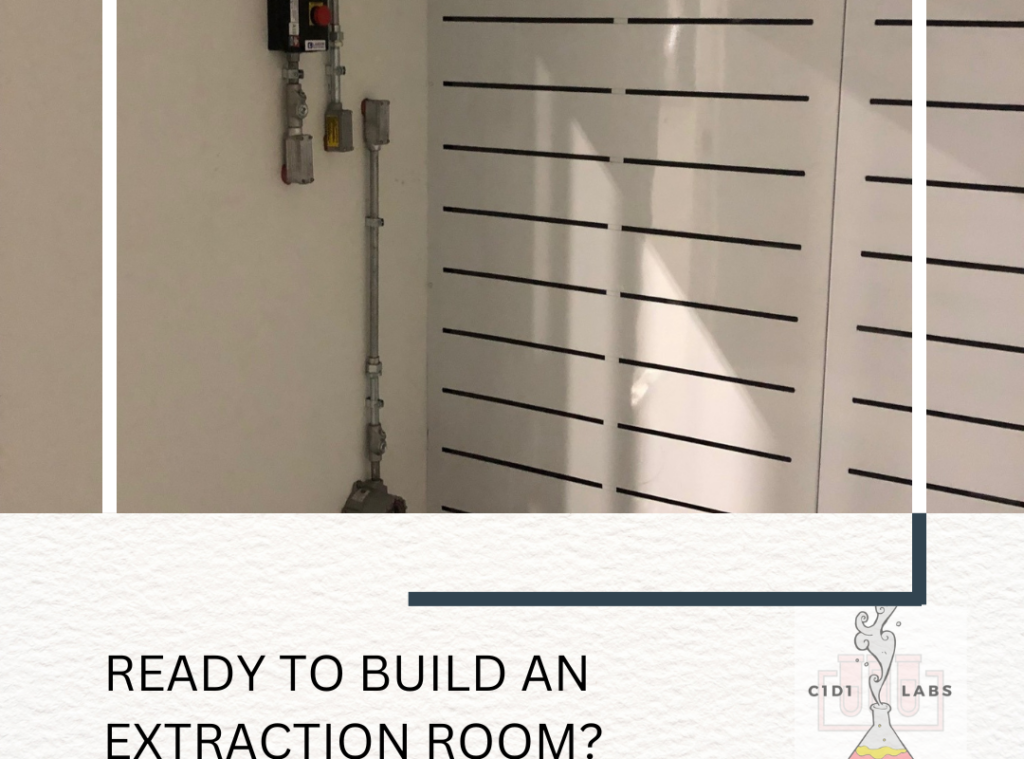
Finally, our Class 1 Division 1 processing rooms we designed with convenience in mind. They come pre-equipped with features such as explosion proof fans, adjustable lighting fixtures, easy access doors. As well as a wide range of customization options so you can adjust your room to fit any specific need or requirement you may have.
The highest quality by C1D1 Labs
At our company, we pride ourselves on providing top-notch solutions for solvent processing. Compounding needs — solutions that meet all applicable safety standards while still offering optimal performance and convenience. Our Class 1 Division 1 processing rooms are no exception; they provide superior protection against hazardous elements. While still allowing you to customize them as needed to fit any specific requirement or need. If you’re looking for an efficient way to process processing safely. Securely then look no further than our line of Class 1 Division 1 processing rooms!