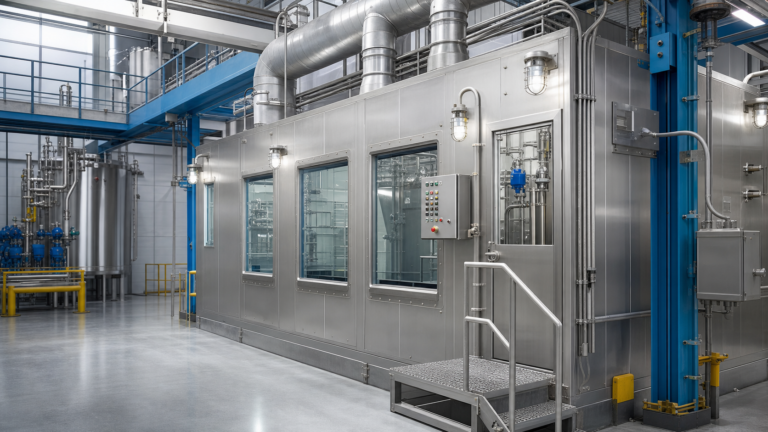

Industrial facilities present some of the most complex risk profiles on any underwriter’s desk. From chemical manufacturing plants to battery production lines and high-throughput warehouses, these properties combine high-value assets, concentrated process hazards, and significant business interruption exposure. Consequently, insurers who rely on generic occupancy classifications often miss the engineered details that drive claim severity. A rigorous industrial fire hazard analysis closes that gap, sharpens underwriting decisions, and measurably lowers loss ratios.
Why Industrial Occupancies Demand Engineered Analysis
Industrial properties rarely fit a single hazard class. Moreover, a facility’s risk profile shifts every time a new process line, solvent, or lithium-ion battery rack arrives on site. As a result, underwriters working from outdated COPE data face significant adverse selection. By contrast, a PE-stamped industrial fire hazard analysis quantifies fuel loads, ignition sources, and protection adequacy in measurable terms. Therefore, carriers gain a defensible technical basis for pricing, retention decisions, and reinsurance treaties.
According to the NFPA’s loss data, industrial and manufacturing fires consistently produce some of the highest direct property loss values per incident. Furthermore, business interruption claims frequently exceed the direct damage by a factor of two or three.

What a Defensible Industrial Hazard Analysis Covers
A complete industrial fire hazard analysis goes far beyond a walk-through checklist. Specifically, our PE engineers evaluate every variable that drives claim frequency and severity. In addition, each finding ties directly back to a recognized code or standard, which strengthens both the carrier’s file and the insured’s risk improvement plan.
- Process hazard mapping. First, engineers identify ignition sources, flammable inventories, and reactive chemistry across each production cell.
- Maximum Allowable Quantity (MAQ) verification. Next, we benchmark stored quantities against IFC and NFPA 30 control area limits.
- Suppression and detection adequacy. Then, we model whether existing systems match the actual commodity classification and ceiling height.
- Egress, compartmentation, and explosion control. Finally, we verify that passive protection limits fire spread and protects life safety.
Insurers who adopt this engineered approach consistently report improved schedule rating accuracy. Notably, FM Global’s loss prevention research shows that facilities operating with engineered protection programs experience dramatically lower frequency of large losses than peer sites with prescriptive-only compliance.
Translating Engineering Findings Into Loss Ratio Wins
Underwriters need numbers, not narratives. Therefore, our deliverables convert each finding into quantifiable risk factors that feed directly into pricing models and loss control follow-ups. For example, a single hydraulic fluid reservoir recategorized from Class IIIB to Class II liquid can shift sprinkler design density requirements and change a property’s PML calculation by millions.
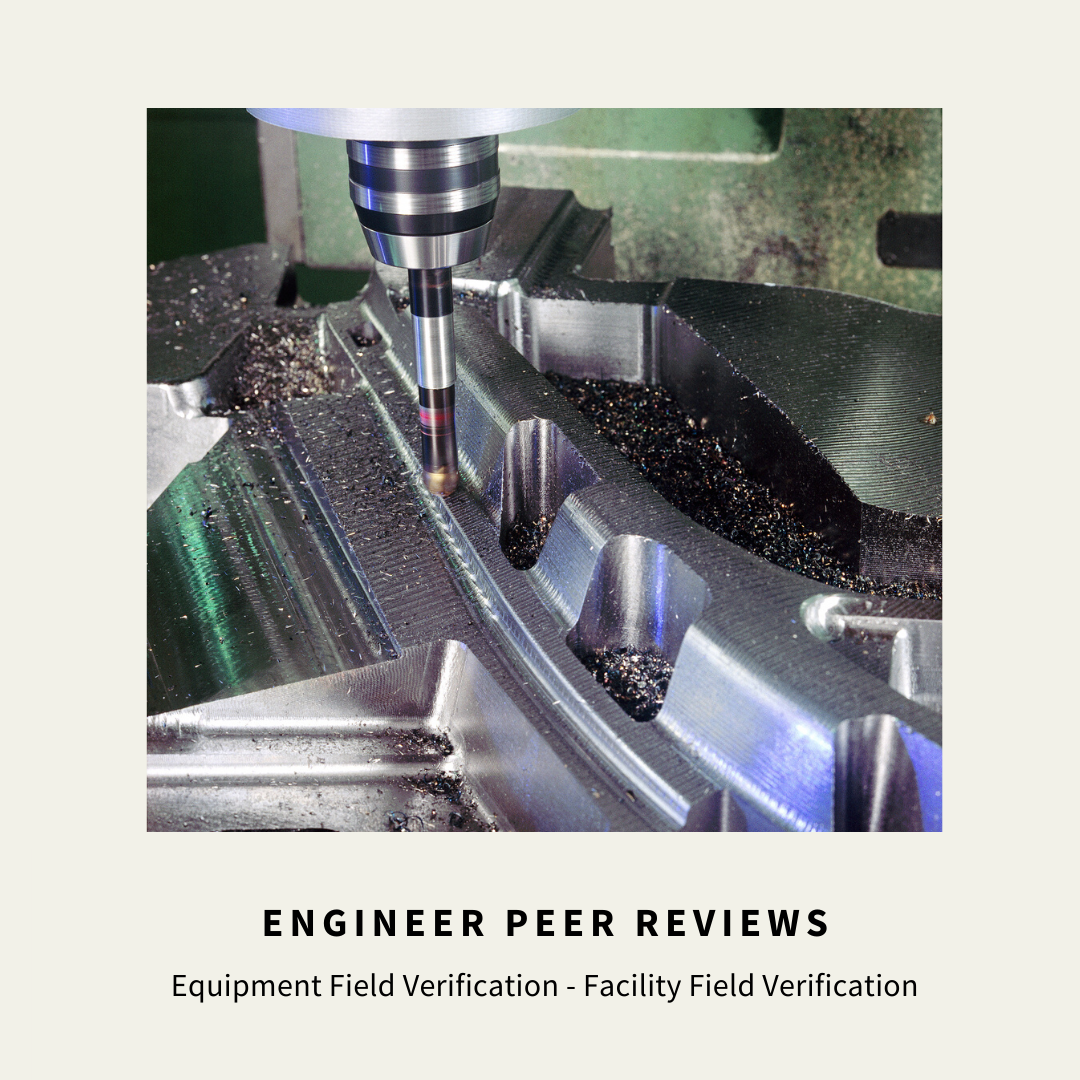
Loss control specialists also benefit from this clarity. Instead of issuing broad recommendations, they can prioritize the two or three engineered improvements that move the needle most. Consequently, retention rates improve because insureds see tangible value, and renewal underwriting becomes a straightforward conversation. To dive deeper into how PE-led assessments support carrier programs, review our overview of fire protection engineering for insurance risk reduction.
High-Hazard Occupancies That Benefit Most
Some industrial occupancies amplify every weakness in a fire protection program. Specifically, battery manufacturing, chemical processing, and high-piled storage warehouses concentrate energy, fuel, and ignition sources in ways that overwhelm baseline protection. Additionally, lithium-ion thermal runaway events present unique suppression challenges that traditional ordinary hazard sprinkler designs simply cannot control.
For carriers writing battery production exposures, our engineering team applies current research and emerging standards. Learn more about hazardous area classification for battery production and how proper electrical and fire protection design reduces total loss potential. Equally important, our patented containment and suppression technologies give insureds engineered solutions when off-the-shelf systems fall short.
Building an Underwriting Edge Through Engineering
Carriers competing in the industrial segment increasingly differentiate themselves through engineering depth. In fact, industry analysis from IRMI highlights how risk engineering services have become a primary lever for combined ratio improvement in commercial property lines. Therefore, partnering with a PE-stamped fire protection engineering team is no longer a luxury — it is a competitive necessity.
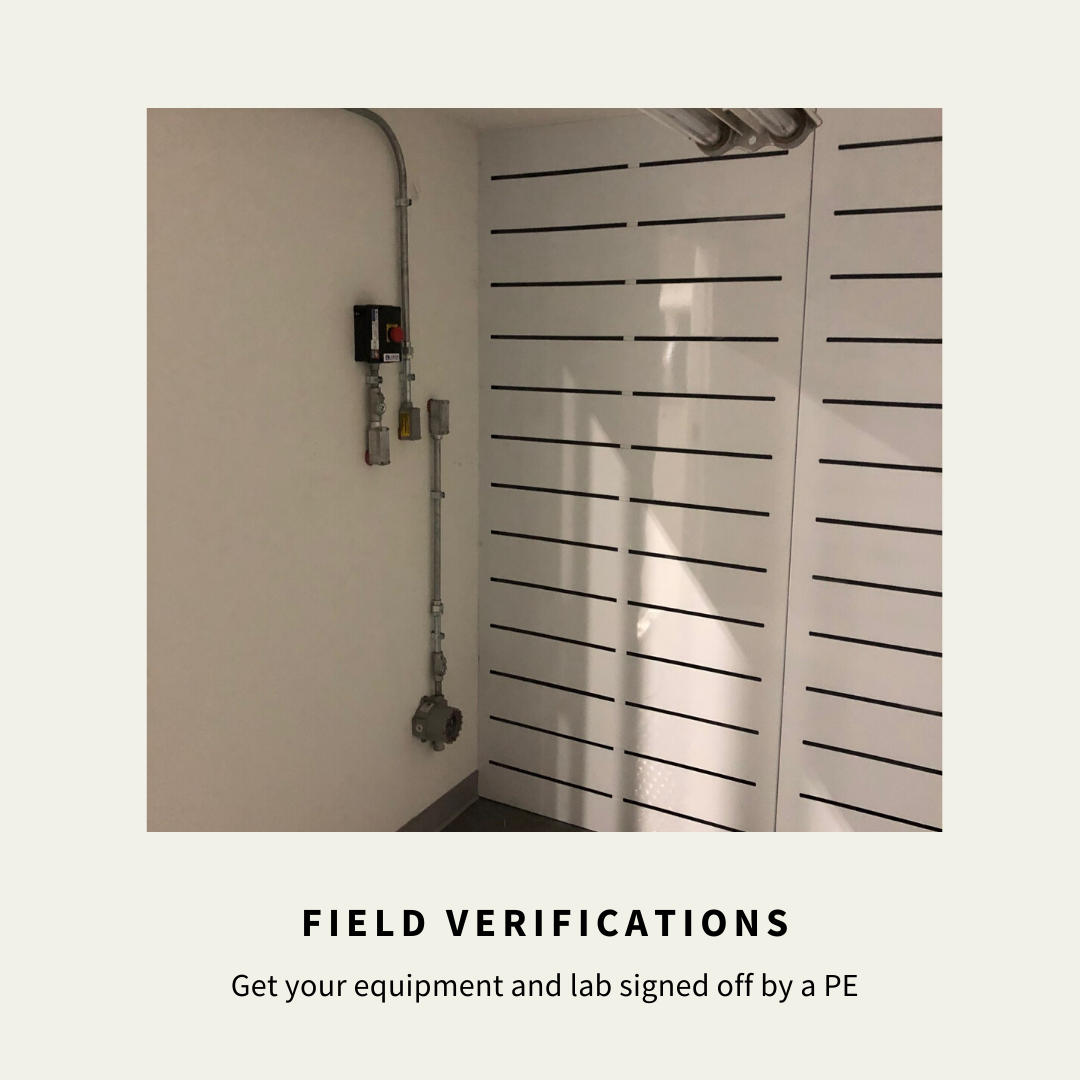
C1D1 Labs delivers PE-stamped industrial fire hazard analyses across 13+ states, with deep expertise in NFPA 1, NFPA 30, NFPA 58, IBC, and IFC. Furthermore, our lead engineer is a certified building code expert, fire inspector, and architectural engineer. As a result, underwriters receive defensible, court-ready documentation that supports both pricing and post-loss subrogation.
Schedule Your Industrial Fire Risk Assessment Today
If your portfolio includes manufacturing, chemical, battery, or warehouse exposures, do not wait for a large loss to expose hidden gaps. Instead, get ahead of claim severity with engineered hazard analysis that strengthens every underwriting and loss control decision. Request a fire risk assessment from C1D1 Labs today or call (510) 410-1083 to discuss how PE-stamped engineering can lower your loss ratio.