The cannabis extraction industry moves fast. As more states legalize adult-use cannabis and new markets open across the country, operators face a shifting landscape of regulations, technology, and consumer demand. Staying ahead of these changes separates thriving labs from those scrambling to catch up. Here’s a look at the key trends shaping cannabis extraction in 2026 and what they mean for your operation.
Stricter State-by-State Regulations Are Raising the Bar
Regulatory frameworks continue to tighten across the board. States that once had loose oversight are now adopting stricter fire codes, ventilation standards, and solvent storage requirements. In particular, more jurisdictions are aligning their local codes with NFPA 1 Fire Code standards for hydrocarbon extraction. This means operators who built labs under older, less demanding rules may need to retrofit or upgrade their facilities.
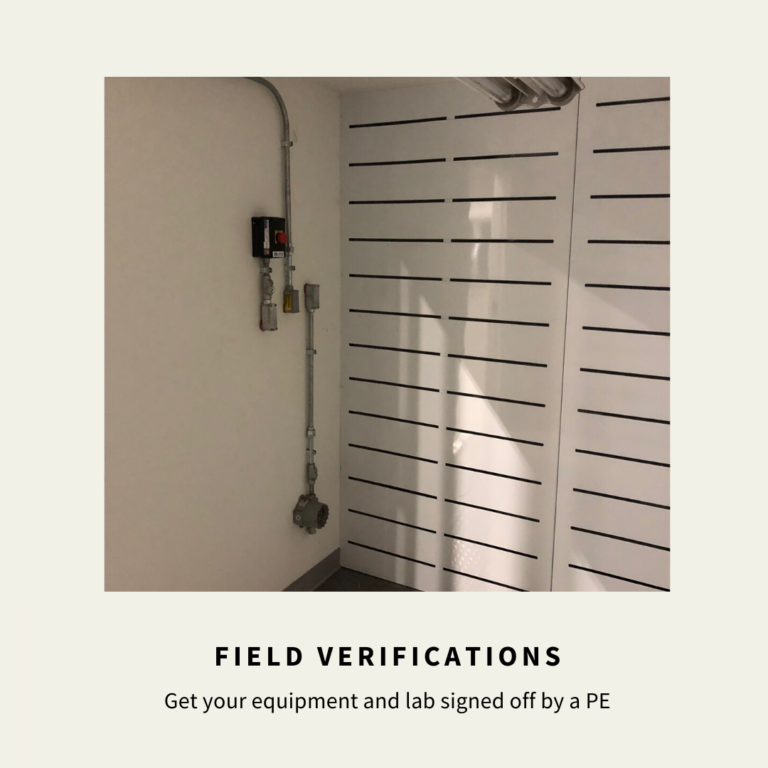
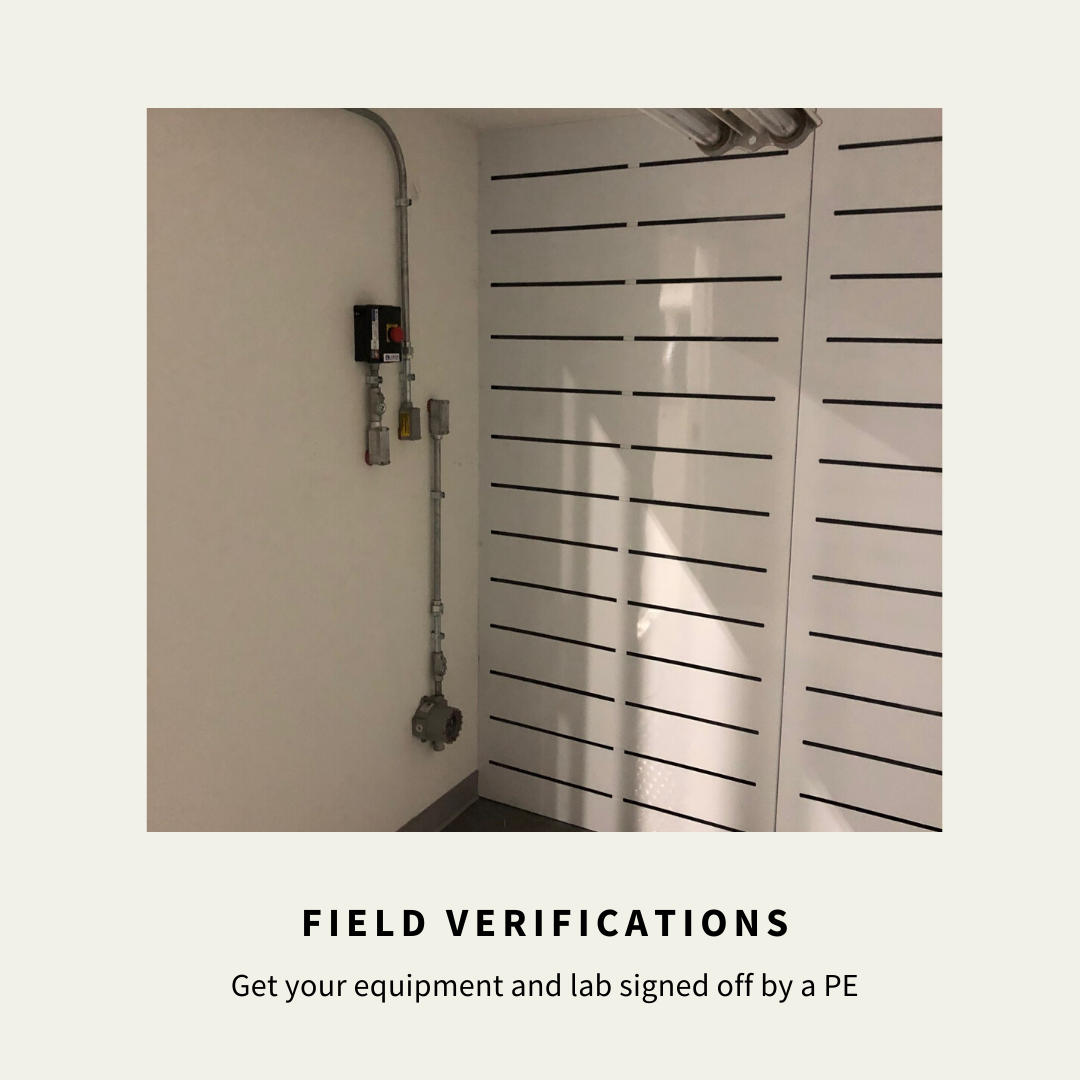
Additionally, Authority Having Jurisdiction (AHJ) inspectors are becoming more knowledgeable about extraction-specific hazards. They ask tougher questions during inspections and expect detailed documentation. As a result, having a professional engineer peer review on file has shifted from a nice-to-have to a practical necessity for passing inspections smoothly.
Solvent Recovery Technology Is Advancing Rapidly
One of the most exciting developments in extraction technology is the advancement of solvent recovery systems. Newer membrane-based recovery units dramatically reduce solvent waste and improve operational efficiency. These systems allow labs to recapture and reuse a higher percentage of their solvents, which cuts material costs and reduces environmental impact at the same time.
Furthermore, improved recovery technology pairs well with closed-loop extraction systems. When your recovery rate climbs, your overall cost per run drops. Labs that invest in advanced membrane solvent recovery equipment position themselves to operate leaner while maintaining high output quality.
According to OSHA’s hazardous waste guidelines, proper solvent handling and recovery also reduce workplace safety risks. That dual benefit of cost savings and improved safety makes recovery upgrades one of the smartest investments an extraction lab can make right now.
Consumer Demand Is Driving Product Diversification
Consumer preferences are evolving beyond basic shatter and wax. Today’s concentrate market demands live resin, THCA diamonds, high-terpene extracts, and solventless options. This shift forces extraction labs to diversify their equipment and processes. Labs that only run one type of extraction find themselves losing market share to competitors who offer a broader product lineup.
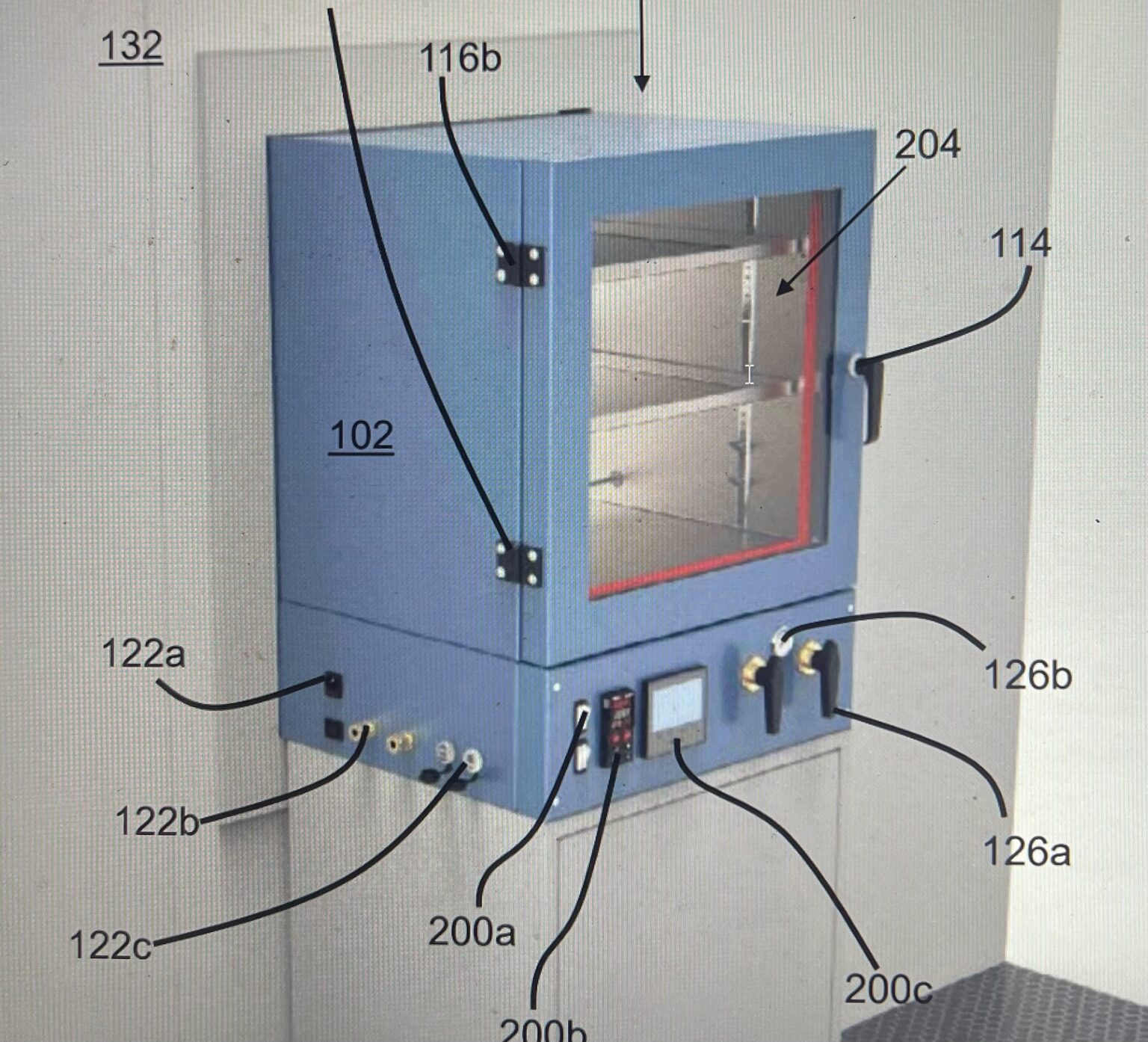
To meet this demand, many operators are expanding their post-processing capabilities. Adding equipment like diamond miners, vacuum ovens, and centrifuges allows a single lab to produce multiple product types from the same starting material. This flexibility translates directly into higher revenue per batch and stronger wholesale relationships.
Prefabricated and Modular Labs Are Gaining Traction
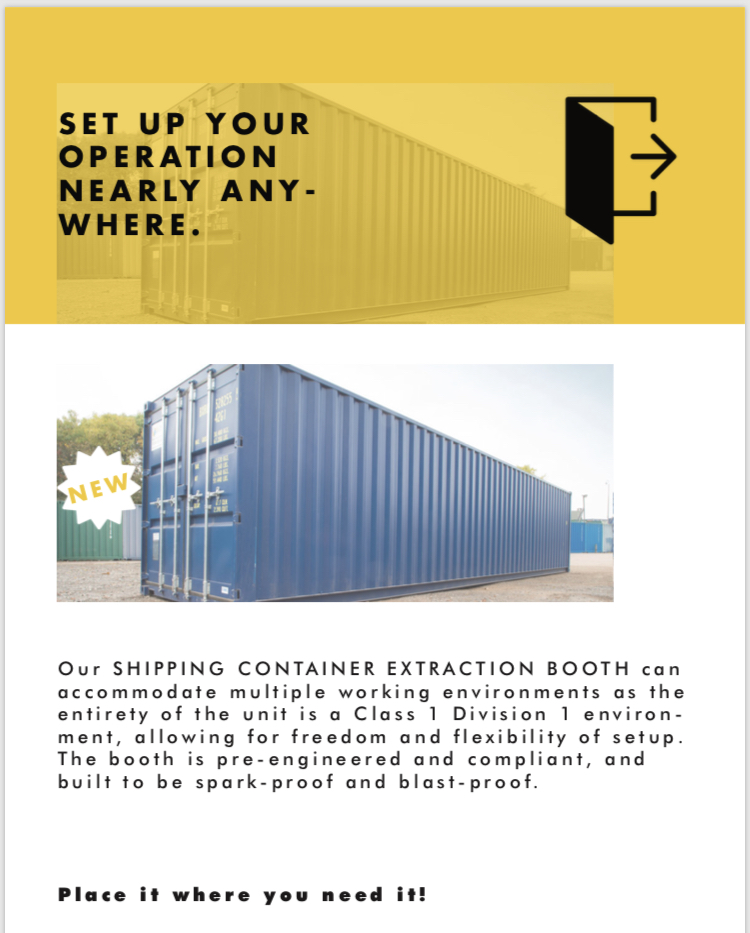
Speed to market matters more than ever. Traditional build-outs for extraction labs can take months of permitting, construction, and inspection cycles. In contrast, prefabricated C1D1-rated extraction rooms arrive ready to install with fire suppression, ventilation, and electrical systems already integrated. This approach cuts deployment timelines significantly.
Modular labs also offer a practical advantage for operators in states with complex permitting processes. Because these units are engineered and built to meet International Code Council (ICC) standards before they ship, the permitting process often moves faster. Fire marshals and building inspectors can review standardized engineering documents rather than custom construction plans.
C1D1 Labs builds both outdoor extraction rooms and indoor booths that ship as complete, code-compliant units. For operators looking to launch quickly or expand into new markets, this modular approach eliminates many of the headaches associated with traditional construction.
Insurance Requirements Are Becoming a Competitive Advantage
Insurance carriers are getting more sophisticated about evaluating cannabis extraction risks. Labs with proper C1D1 classification, fire protection engineer reports, and documented safety protocols consistently secure better coverage at lower premiums. Meanwhile, labs without these credentials face higher costs or outright denial of coverage.
This trend creates a competitive moat for well-equipped operations. When your facility meets or exceeds code requirements, you spend less on insurance and more on growth. Moreover, having comprehensive fire protection engineering documentation demonstrates professionalism to investors, partners, and regulators alike.
What This Means for Your Lab
The extraction industry rewards operators who plan ahead. Tightening regulations, advancing technology, shifting consumer tastes, and evolving insurance markets all point in the same direction: invest in quality infrastructure now. Labs built on solid engineering foundations adapt to changes without costly rebuilds. Those cutting corners today will pay more tomorrow.
Whether you’re launching a new extraction operation or upgrading an existing one, staying informed about these trends helps you make smarter decisions. The operators who thrive in 2026 and beyond will be the ones who treat compliance, equipment quality, and operational flexibility as strategic advantages rather than expenses.