
Why Sprinkler and Suppression Systems Matter for Insurance Loss Ratios
Fire losses cost the U.S. property insurance industry billions every year. According to the National Fire Protection Association (NFPA), direct property damage from fires exceeded $18 billion in recent years. For insurance companies, every one of those dollars hits the loss ratio. However, one factor consistently separates manageable claims from catastrophic total losses: the presence of a properly engineered fire suppression system.
Sprinkler systems don’t just fight fires. They fundamentally change the risk profile of a property. As a result, underwriters who understand suppression system design can price policies with greater accuracy and confidence. In addition, loss control specialists gain a measurable tool for reducing claim exposure across entire portfolios.

The Hard Numbers: Suppression Systems and Claim Severity
The data is clear. Properties with functioning sprinkler systems experience dramatically lower claim severity. NFPA research shows that sprinklers reduce property damage by 50% to 66% per fire incident. Furthermore, the chance of a fire death drops by 87% in sprinklered buildings. For insurers, this translates directly into smaller payouts and healthier loss ratios.
Consider the difference in claim outcomes. A fire in an unsprinklered warehouse can easily generate a seven-figure claim. The same ignition event in a properly sprinklered facility often results in damage contained to the area of origin. Consequently, the claim might stay under $50,000 instead of exceeding $1 million. That single variable can shift a book of business from unprofitable to profitable.
FM Global’s research reinforces this point. Their data shows that properties meeting FM Approved suppression standards experience significantly fewer large-loss events. For risk managers building portfolio strategy, this evidence supports aggressive premium differentiation between sprinklered and unsprinklered risks.
Not All Suppression Systems Are Equal
Here is where many underwriters miss critical nuance. A building may have sprinklers, yet still carry elevated fire risk. The reason is simple: not all suppression systems match the actual hazard profile of the occupancy. A wet-pipe system designed for light-hazard office space will not adequately protect a chemical storage facility or an industrial manufacturing floor.
This gap creates hidden claim exposure. The property appears protected on paper. In reality, the suppression system may be undersized, improperly designed, or mismatched to the current use of the space. As a result, when a fire occurs, the system fails to control it. The claim balloons.
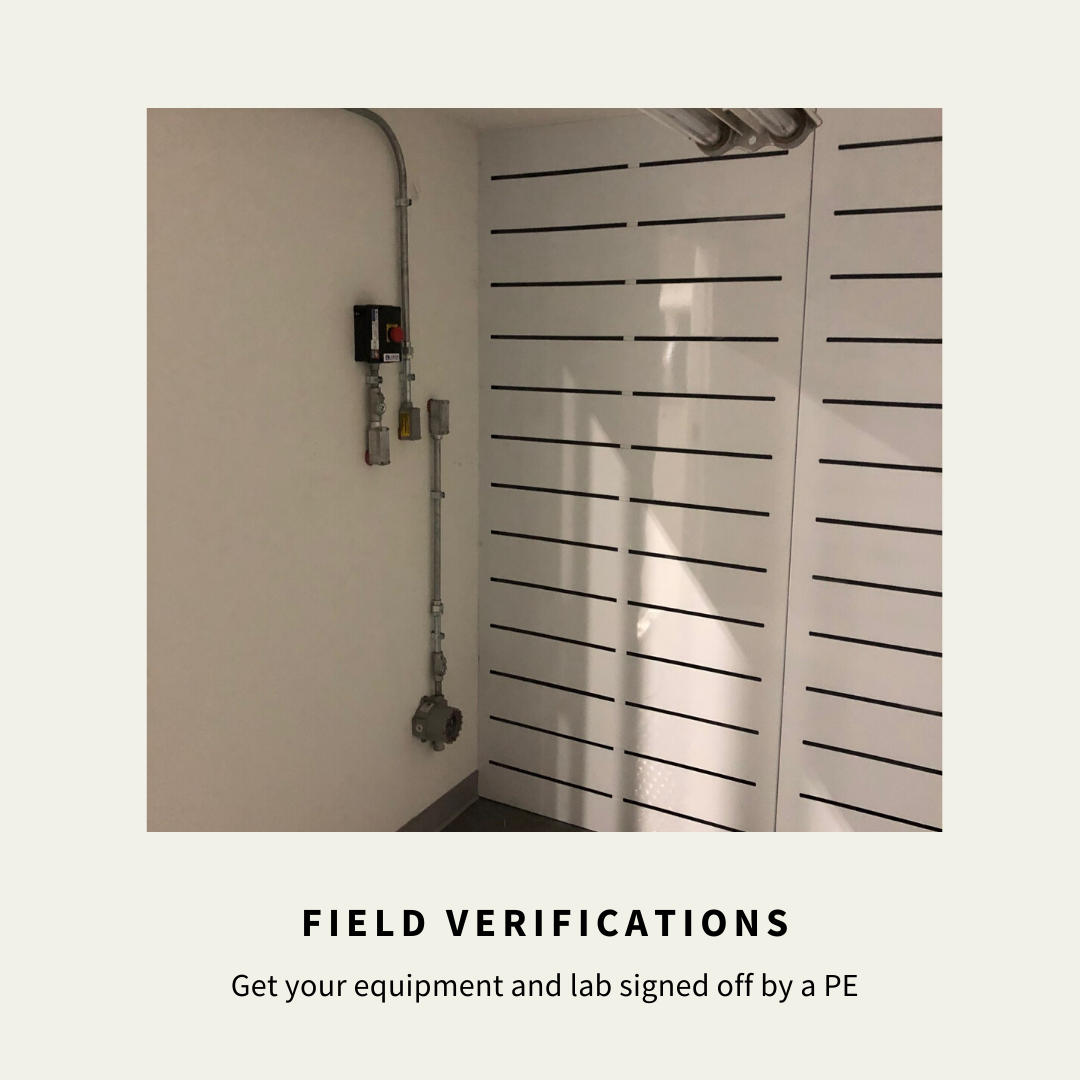
This is precisely why PE-stamped fire protection engineering assessments matter so much for insurance risk evaluation. A licensed fire protection engineer evaluates whether the installed system actually matches the building’s hazard classification. Moreover, they identify deficiencies that standard inspections often miss.
Key Suppression System Factors That Affect Underwriting
Loss control specialists and underwriters should evaluate several critical factors when assessing suppression system adequacy. Each factor directly impacts potential claim severity.
Hazard classification match. Does the sprinkler system design density match the occupancy hazard level? NFPA 13 defines specific design criteria for light, ordinary, and extra hazard occupancies. A mismatch here is a red flag for elevated claim exposure.
Water supply adequacy. Even a well-designed system fails if the water supply cannot deliver the required flow and pressure. Consequently, a fire protection engineer must verify that the water supply meets or exceeds the system’s hydraulic demand.
System age and maintenance. Older systems may have corroded pipes, painted-over sprinkler heads, or outdated components. The Occupational Safety and Health Administration (OSHA) emphasizes regular inspection and maintenance as essential to fire safety. For insurers, deferred maintenance equals increased claim risk.
Special suppression needs. Some occupancies require clean agent systems, foam suppression, or dry chemical systems in addition to standard sprinklers. Industrial facilities handling flammable liquids, for example, need suppression systems engineered specifically for those hazards. Without them, a fire can overwhelm standard sprinklers quickly.
How PE-Stamped Assessments Strengthen Underwriting Confidence
A PE-stamped fire protection assessment gives underwriters something they rarely get: verified, engineering-grade data about a property’s actual fire risk. Rather than relying on self-reported building information or outdated inspection reports, the underwriter receives a professional engineer’s analysis of the suppression system’s adequacy.
C1D1 Labs provides exactly this type of assessment. With a licensed PE Fire Protection Engineer who has completed 50+ facility assessments across 13+ states, C1D1 Labs delivers detailed evaluations of suppression system design, installation, and performance. In addition, their engineers hold certifications as building code experts and fire inspectors, which means the assessment covers code compliance alongside engineering adequacy.
For loss control teams, these assessments identify specific remediation steps that can reduce a property’s risk profile. Once the property owner addresses the deficiencies, the insurer can confidently adjust the premium to reflect the improved risk. This creates a win-win: the insured pays less, and the insurer carries less exposure.
Portfolio-Level Impact for Insurance Companies
The benefits extend beyond individual policies. When an insurance company systematically requires PE-stamped suppression assessments for high-value or high-hazard properties, the entire portfolio benefits. Loss ratios improve because hidden risks get identified before they become claims. Underwriting accuracy increases because pricing reflects actual conditions rather than assumptions.
Furthermore, insurers who partner with fire protection engineering firms like C1D1 Labs gain access to ongoing expertise. As building uses change, new hazards emerge, or codes update, the engineering partner can flag properties that need reassessment. This proactive approach keeps the portfolio’s risk profile current and accurate.
Take the Next Step: Reduce Claim Exposure with Engineering-Grade Fire Risk Data
Sprinkler and suppression systems are the single most effective tool for reducing fire claim severity. But only when they are properly engineered, installed, and maintained for the specific hazards present. Insurance companies that verify suppression adequacy through PE-stamped assessments consistently achieve lower loss ratios and fewer surprise claims.
Ready to strengthen your underwriting confidence and reduce claim exposure across your portfolio? Request a fire risk assessment from C1D1 Labs today. Their licensed PE Fire Protection Engineers deliver the verified data your risk management team needs. Call (510) 410-1083 to get started.